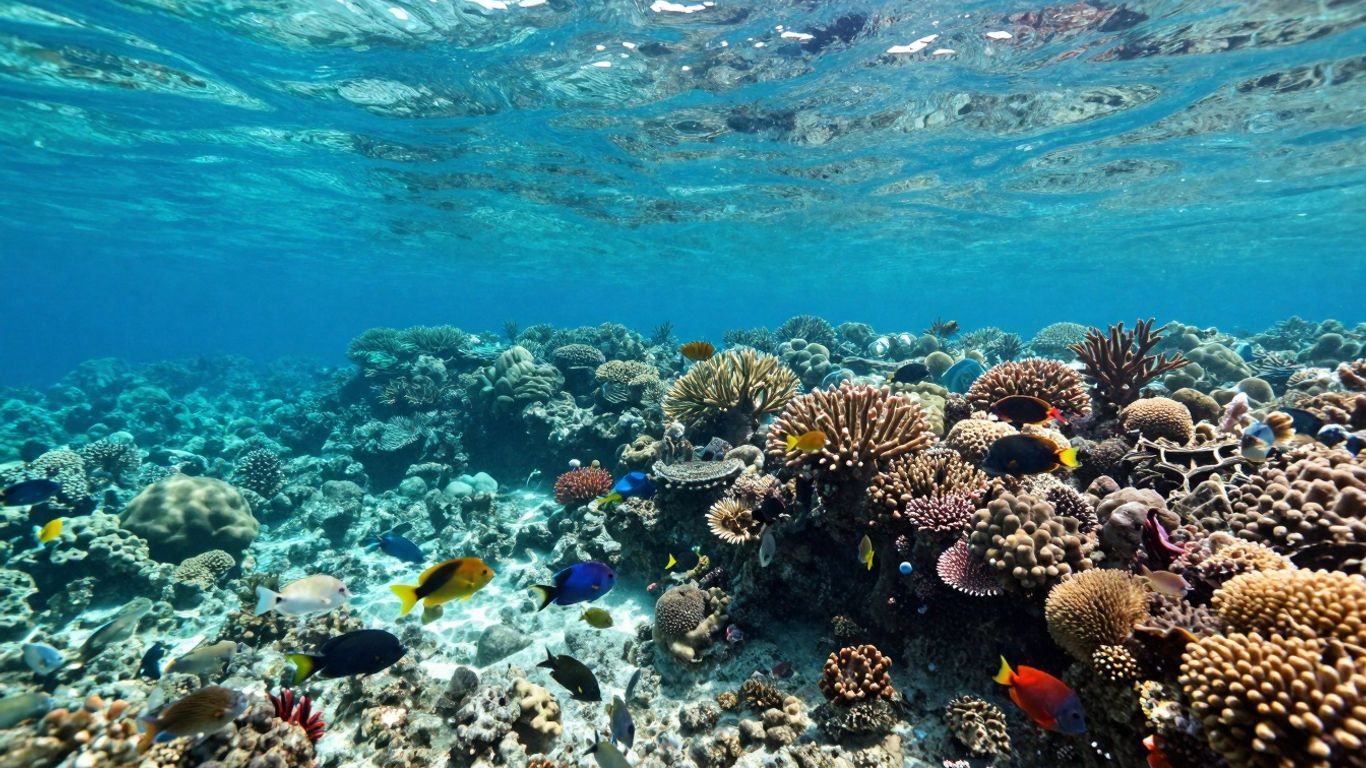
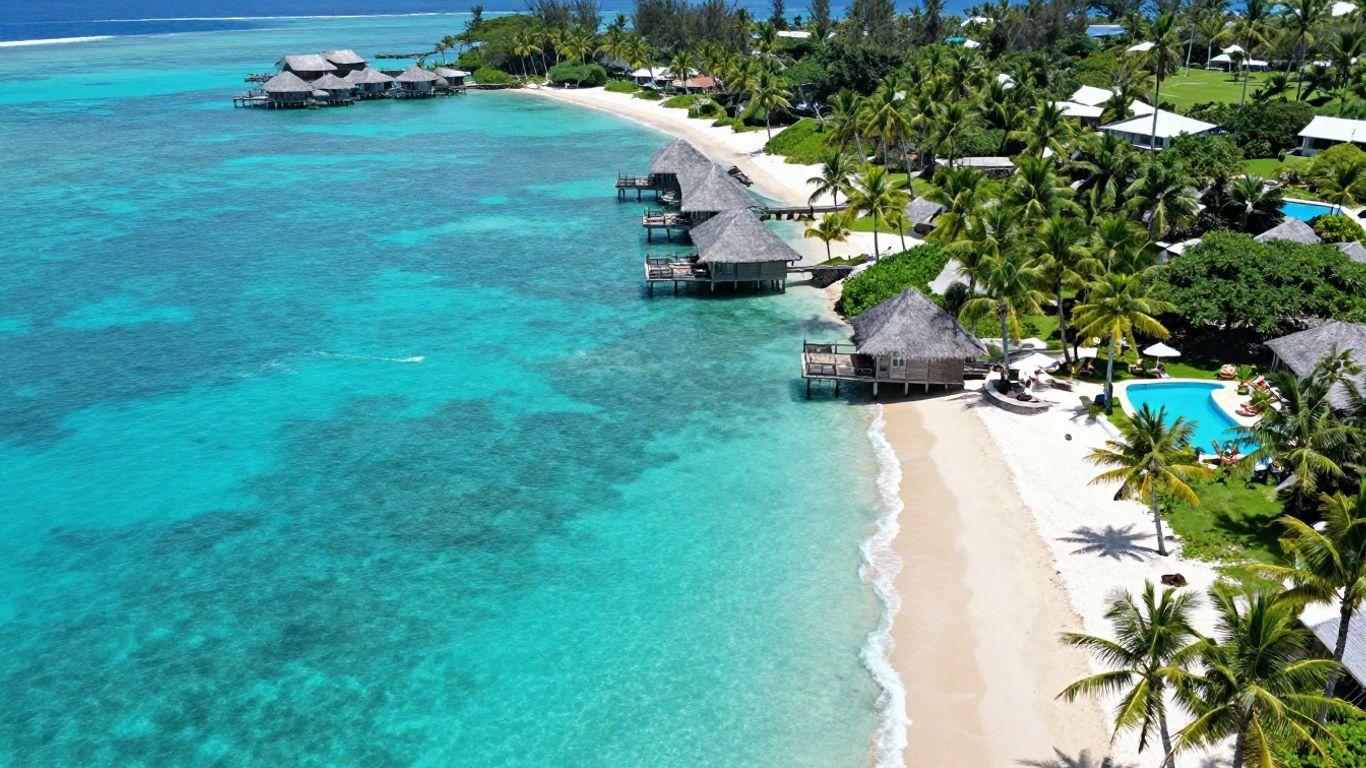
Fiji is pretty famous for its beaches and fancy resorts, but honestly, the real magic is underwater. Think of over 4,000 square miles of coral reefs spread across more than 300 islands. It’s like an island-hopping adventure waiting to happen, with tons of chances for amazing Fiji snorkeling tours. Whether you like chilling in calm lagoons or exploring walls of coral, there’s something for everyone. The weather is nice all year, and the water is usually super clear, so you can see all the colors. Lots of people stay on one island and take day trips, or you can go on a guided tour that handles all the planning for you. It’s a great way to see the best spots without the hassle.
Key Takeaways
The Yasawa Islands are great for families and offer chances to see manta rays, with calm waters perfect for beginners.
Beqa Lagoon is a huge barrier reef accessible from the mainland, known for its abundant marine life and opportunities to snorkel with sharks.
The Rainbow Reef, especially around Taveuni Island, is famous for its soft corals and diverse fish species, often called the soft coral capital of the world’.
Kadavu Island and the Great Astrolabe Reef offer a more off-the-beaten-path experience with pristine marine environments.
Vatu-I-Ra Passage is known for its colorful corals and attracts a variety of marine animals, including sharks and rays, with chances to see whales during migration season.
1. Yasawa Islands
The Yasawa Islands are a chain of about 20 islands that really feel like a step back in time, in the best way possible. If you’re looking to get away from it all, this is your spot. Think dramatic, green-covered limestone cliffs rising straight out of the ocean, fringed by long stretches of powdery white sand and water so clear you can see straight to the bottom. It’s a bit more remote than the Mamanucas, meaning fewer crowds and a more peaceful vibe.
Snorkeling here is fantastic because the reefs are generally healthy and vibrant. You’ll find plenty of colorful fish darting around the coral. For many, the absolute highlight is the chance to see manta rays. These gentle giants are often spotted in certain areas, especially between May and October, gracefully feeding in the currents. It’s a truly awe-inspiring sight.
Here’s what makes snorkeling in the Yasawas special:
Diverse Reefs: From shallow, calm lagoons perfect for beginners to more exposed outer reefs with a bit more action, there’s something for everyone.
Marine Life Encounters: Beyond the usual reef fish, keep an eye out for sea turtles and maybe even a harmless reef shark.
Manta Ray Hotspots: Specific locations are known for manta ray sightings, offering a chance for an unforgettable encounter.
Getting to the Yasawas usually involves a ferry from Denarau Marina, which itself is a scenic journey. Many visitors combine a trip here with the Mamanuca Islands or even a quick stop on the mainland before heading out. It’s a bit of a journey, but the reward is an unspoiled slice of paradise. The sheer natural beauty and the feeling of remoteness are what truly set the Yasawa Islands apart for snorkelers.
The islands offer a range of experiences, from easily accessible spots near resorts to more secluded bays reached by boat. Planning your trip around the tides can also help maximize your snorkeling time, as calmer waters are often found during slack tide periods.
2. Mamanuca Archipelago
The Mamanuca Archipelago is a postcard-perfect chain of islands that many visitors flock to when they first arrive in Fiji. It’s easily accessible, often the first stop for travelers coming from the mainland, and for good reason. The waters here are generally calm and clear, making it a fantastic spot for anyone wanting to dip their toes into snorkeling, especially families with younger kids or those who haven’t snorkeled before.
What makes the Mamanucas stand out is the sheer variety of accessible reefs. You can often snorkel right off the beach, exploring vibrant coral gardens teeming with colorful fish. Many resorts are situated near these shallow, protected areas, so you can literally walk out your door and into an underwater wonderland. Beyond the shore, boat trips can take you to slightly deeper spots where you might encounter sea turtles, rays, or even some of the friendlier reef sharks. It’s a region that truly lives up to Fiji’s reputation for stunning marine life.
Here are a few highlights you might find in the Mamanucas:
Malolo Lailai Island: Known for its beach-accessible reefs, offering a chance to see turtles, reef sharks, and rays in calm, clear waters.
Blue Lagoon: Located on Nanuya Lailai Island, this spot boasts sapphire waters and a vibrant shallow reef perfect for beginners and families.
Drawaqa Island: While famous for manta ray sightings (May to October), the surrounding waters also offer good snorkeling opportunities, though currents can be stronger here.
The Mamanuca Islands offer a quintessential Fijian snorkeling experience, blending accessibility with natural beauty. It’s a place where you can easily spend a day exploring colorful reefs without needing to venture too far from shore, making it a top choice for a relaxed yet rewarding underwater adventure.
3. Beqa Lagoon
Just a short boat trip from Pacific Harbor on the southern coast of Viti Levu, Beqa Lagoon is a massive barrier reef system, stretching for miles and packed with marine life. It’s famous for its Shark Reef Marine Reserve, a place where you can actually snorkel with multiple species of sharks. Imagine seeing bull and tiger sharks in their natural environment – it’s quite the experience.
Beyond the sharks, the lagoon offers a vibrant underwater world. You can explore shallow reefs right from the shore or take boat tours to different spots within the lagoon. These tours often include insights into the local marine ecosystem, helping you appreciate the diversity of fish, corals, and other creatures.
Here’s what makes Beqa Lagoon a standout:
Shark Encounters: The main draw is the chance to see various shark species up close in a protected reserve.
Diverse Marine Life: Expect to see a wide array of tropical fish, sea turtles, and rays.
Accessibility: It’s relatively easy to get to from the mainland, making it a convenient option for many travelers.
Guided Tours: Operators provide knowledgeable guides who can point out interesting marine life and explain the reef’s ecology.
Beqa Lagoon is a prime example of a successful marine protected area, showcasing how conservation efforts can lead to thriving underwater ecosystems. The abundance of life here is a testament to the importance of these protected zones.
For those looking for a thrilling yet accessible snorkeling adventure, Beqa Lagoon is definitely worth considering. It’s a place where you can witness the raw beauty of Fiji’s ocean and get a unique perspective on its most famous residents. Many operators can arrange trips, so planning your visit is straightforward. You can find great Fiji snorkeling tours that include this incredible location.
4. Rainbow Reef
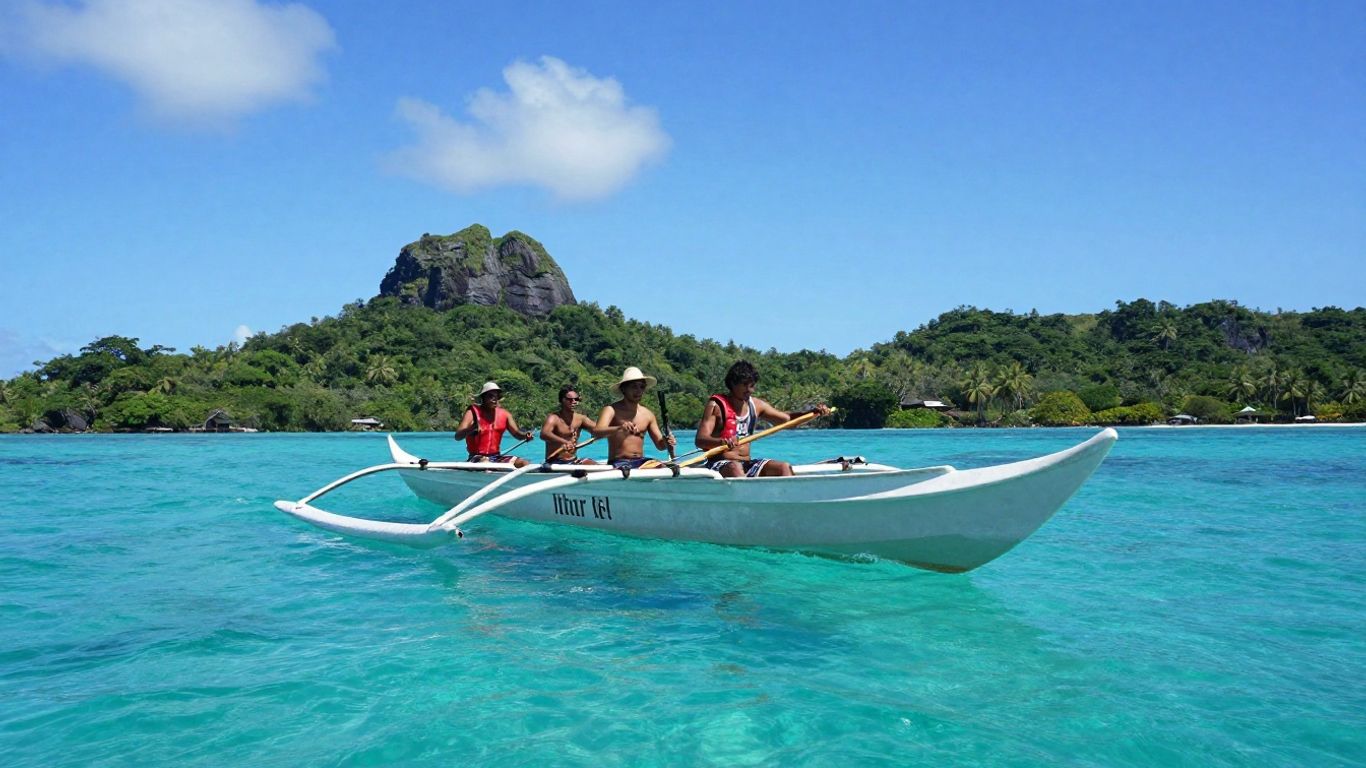
Often called the soft coral capital of the world, the Rainbow Reef is a truly spectacular place to explore underwater. Jacques Cousteau himself was amazed by the sheer abundance and color of the soft corals here, especially along sites like the Great White Wall, which drops down quite a ways and is home to so many fish.
This amazing reef system is located in the Somosomo Strait, right between the islands of Vanua Levu and Taveuni. To see it, you’ll need to hop on a boat tour, which are readily available from both islands. Popular spots within the reef include:
The Great White Wall: Famous for its dramatic drop-off and vibrant soft corals.
The Zoo: As the name suggests, this area is packed with all sorts of marine life.
The Cabbage Patch: Known for its unique coral formations that look like, well, cabbage!
The sheer diversity of life here is incredible. You can find everything from tiny, colorful reef fish darting through the corals to larger species cruising by. It’s a place that really shows you the health and vibrancy of Fiji’s underwater world.
Most tours cater to different skill levels, so whether you’re new to snorkeling or have been doing it for years, you’ll likely find a spot that suits you. The currents and depths can vary, but operators are good at matching people with the right sites. It’s a must-visit for anyone who loves the ocean.
5. Taveuni Island
Often called the Garden Island of Fiji, Taveuni is a real gem for anyone looking to explore underwater. It’s a volcanic island, and the soil is super rich, which has helped create these amazing parks and lush landscapes. But the real magic happens just off its shores. The island is fringed with coral reefs, and many of them are easily accessible right from the beach or a short boat trip away.
The star attraction here is undoubtedly the Rainbow Reef. Jacques Cousteau himself called it the soft coral capital of the world, and honestly, it’s easy to see why. Imagine walls of soft coral in every color imaginable, swaying gently in the current. Sites like the Great White Wall are famous, plunging deep and packed with all sorts of tropical fish. Other popular spots include The Zoo, which lives up to its name with tons of marine life, and The Cabbage Patch, where the coral formations look like, well, cabbage!
Here’s a quick look at what makes Taveuni special for snorkelers:
Rainbow Reef: Famous for its vibrant soft corals and diverse fish populations.
Waitabu Marine Park: A protected area managed by the local community, offering a chance to see healthy reefs and learn about conservation.
Accessible Sites: Many locations are reachable by boat tours departing from the island itself, making it convenient to explore.
Getting to Taveuni usually involves a domestic flight from Nadi to Matei, or a longer ferry journey if you’re coming from the mainland. Once you’re there, you’ll find a range of places to stay, from simple eco-lodges to more upscale hotels. It’s a place where you can really connect with nature, both above and below the water. The waters are generally clear, and the temperatures are pleasant year-round, making it a great spot for a relaxed snorkeling adventure. You might even spot sea turtles or reef sharks if you’re lucky!
Taveuni offers a unique blend of natural beauty, with its lush interior and spectacular underwater world. The local commitment to protecting these marine environments means that snorkelers can experience reefs in their prime condition. It’s a destination that truly showcases the vibrant life Fiji’s waters have to offer.
6. Kadavu Island
Kadavu Island is a bit of a hidden gem in Fiji, located in the southern part of the archipelago. It’s known for being less developed and more rugged than some of the other popular spots, which is exactly what makes it special for many visitors. If you’re looking for a place that feels a bit more off the beaten path, with stunning natural beauty and a focus on marine life, Kadavu is definitely worth considering.
Getting to Kadavu usually involves a short domestic flight from Nadi or Suva. Once you’re there, you’ll find a slower pace of life. The island is surrounded by the Great Astrolabe Reef, which is one of the largest barrier reefs in the world. This means there’s a huge amount of underwater life to see.
The snorkeling here is truly spectacular, with vibrant coral gardens and a wide variety of fish. You can expect to see colorful reef fish, maybe even some turtles or reef sharks. Many resorts on Kadavu have easy access to the reef, or they can arrange boat trips to explore different spots.
Here are a few things that make Kadavu stand out:
Untouched Marine Environment: The Great Astrolabe Reef is a massive ecosystem, and much of it remains in pristine condition. This offers snorkelers a chance to see a healthy reef system.
Secluded Atmosphere: Compared to busier islands, Kadavu offers a more tranquil experience. It’s a great place to disconnect and immerse yourself in nature.
Diverse Underwater Scenery: From shallow coral gardens to deeper passages, the reef offers varied environments for exploration.
Kadavu provides an authentic Fijian experience, where the rhythm of life is closely tied to the ocean. It’s a destination that appeals to those who appreciate natural beauty and a peaceful escape.
7. Great Astrolabe Reef
Stretching along the eastern side of Kadavu Island, the Great Astrolabe Reef is a truly massive natural wonder, ranking as the fourth-largest barrier reef globally. It’s a place that feels a bit more remote, a bit more untouched than some of the more frequented spots in Fiji. This isolation is part of its charm, offering a sense of discovery for those who venture here.
The reef is a vibrant tapestry of soft coral walls and extensive coral gardens. You can expect to see a lot of activity, with schools of fish darting through the water and larger marine life making appearances. The Naiqoro Passage, in particular, is known for its dramatic underwater topography and the abundance of sea life it attracts. It’s a spot where you might encounter everything from colorful reef fish to bigger pelagics.
Getting to Kadavu and the Great Astrolabe Reef usually involves a domestic flight from Nadi or Suva, or a longer ferry ride. Once there, many resorts offer boat trips to various snorkeling sites around the reef. Because it’s so large, there are numerous spots to explore, catering to different comfort levels.
Vibrant soft coral formations: Expect walls of color that sway gently with the currents.
Diverse marine life: From tiny reef dwellers to larger species, the biodiversity is impressive.
Remote and pristine environment: Experience a less crowded, more natural underwater world.
The sheer scale of the Great Astrolabe Reef means that even with other visitors, it’s possible to find your own quiet patch of underwater paradise. It’s a place that rewards exploration.
This reef is a fantastic destination for snorkelers looking for an authentic Fijian marine experience away from the main tourist hubs.
8. Sawa-i-Lau Caves
Venture north in the Yasawa Islands to discover the Sawa-i-Lau Caves, a truly unique spot that feels like stepping into another world. These aren’t your typical underwater caves; they’re ancient limestone formations that have been carved by the sea over countless years, creating a series of dramatic arches, hidden chambers, and even a serene freshwater lagoon. The journey to the caves itself is part of the adventure, often involving a boat trip through stunning turquoise waters.
Accessing the caves usually involves a guided tour from one of the Yasawa Island resorts or a dedicated boat operator. Most tours combine a visit to the caves with other snorkeling or swimming stops in the surrounding crystal-clear waters. When you arrive, you’ll likely enter through a large opening in the rock face, leading into a main chamber. The water inside is surprisingly clear, and the way the light filters through the openings above creates an almost mystical atmosphere. Local legends even speak of mermaids singing here, adding to the enchantment.
While the main cave is accessible and quite spectacular, some tours might offer opportunities to explore smaller, more secluded grottos. These can be a bit more challenging to get to and might require some swimming through narrow passages. The currents around the caves can sometimes be a bit strong, so it’s a good idea to be a comfortable swimmer if you plan to explore extensively. It’s a place that really sparks the imagination, offering a different kind of aquatic experience compared to the open reefs.
The sheer scale of the limestone formations and the way they rise from the ocean floor is quite something to behold. It’s a natural wonder that feels both ancient and alive.
Here’s what you can generally expect on a tour:
Boat Travel: Tours depart from various Yasawa Islands, with the journey offering scenic views of the archipelago.
Cave Exploration: Guided entry into the main cave, with opportunities to swim and marvel at the rock formations.
Snorkeling/Swimming: Often, tours include stops at nearby coral gardens or calm bays for snorkeling or simply enjoying the water.
Local Lore: Guides often share the fascinating legends and history associated with the caves.
9. Blue Lagoon
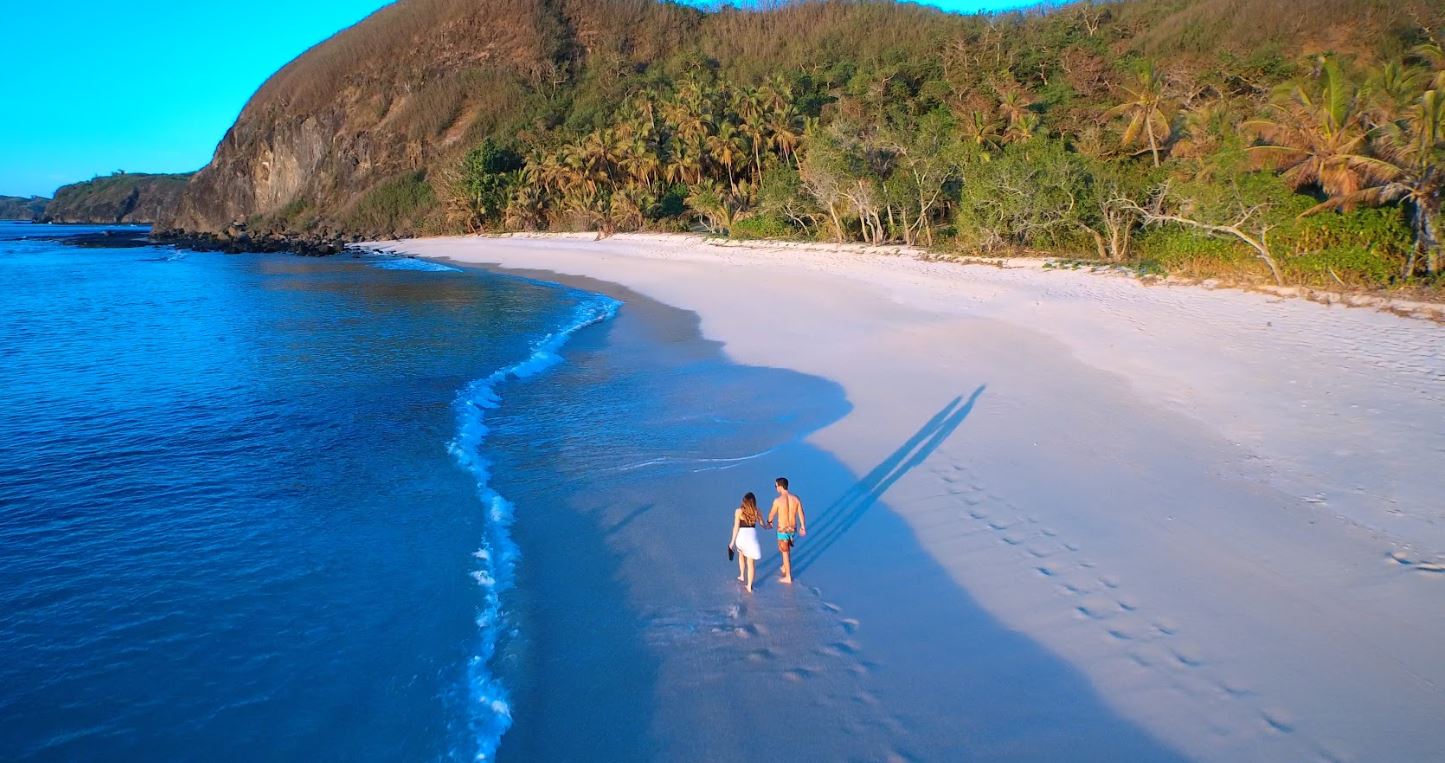
The Blue Lagoon, nestled on Nanuya Lailai Island, is a truly special spot in Fiji, known for its incredibly clear, calm waters that shimmer in shades of sapphire. It’s like stepping into a postcard, with palm trees lining the shore and a vibrant, shallow reef just waiting to be explored. This place is a fantastic gateway to Fiji’s underwater world, especially if you’re looking for a relaxed experience.
What makes the Blue Lagoon so appealing is its accessibility and suitability for a wide range of visitors. The shallow, protected waters are perfect for families with younger children who are just getting their first taste of snorkeling. You don’t need to be an expert swimmer to enjoy the sights here. It’s a place where you can easily spot colorful tropical fish darting amongst the coral, and if you’re lucky, you might even see a sea turtle or a gentle reef shark cruising by.
Getting to the Blue Lagoon is also pretty straightforward. It’s easily reachable by boat from Denarau Marina or Lautoka, making it a convenient option for many travelers. This ease of access, combined with the sheer beauty of the lagoon itself, makes it a must-visit for anyone wanting a peaceful and visually stunning snorkeling adventure.
The serene environment of the Blue Lagoon offers a gentle introduction to Fiji’s rich marine life, making it a memorable experience for all ages.
Here’s a quick look at what you can expect:
Water Clarity: Exceptional, allowing for great visibility.
Marine Life: Abundant tropical fish, occasional sea turtles and reef sharks.
Reef Type: Vibrant, shallow coral gardens.
Best For: Families, beginners, and those seeking a relaxed snorkeling experience.
10. Vatu-I-Ra Passage
The Vatu-I-Ra Passage, nestled within the Bligh Waters off the Sun Coast of Viti Levu, is a truly special spot for anyone looking to get in the water. It’s an ocean channel that’s become famous for its incredibly vibrant purple and pink corals. These aren’t just pretty to look at; they’re part of a nutrient-rich environment that draws in a huge variety of marine life. You can expect to see everything from sharks and giant clams to rays and sea turtles cruising through. This passage is part of the Vatu-I-Ra Conservation Park, which includes Vatu-I-Ra Island itself, packed with top-notch snorkeling locations.
Getting to the Vatu-I-Ra Passage is often done via tours organized from Rakiraki, which is about a two-hour drive from Nadi. The area offers a range of water depths and conditions, meaning there’s something for pretty much everyone, whether you’re just starting out or have been snorkeling for years. If you happen to be visiting between August and October, you might even be lucky enough to spot humpback whales as they migrate through this corridor.
Here’s what makes Vatu-I-Ra Passage stand out:
Vibrant Coral Gardens: Known for its unique purple and pink soft corals.
Abundant Marine Life: A feeding ground for sharks, turtles, rays, and large schools of fish.
Conservation Focus: Located within a protected marine park, highlighting Fiji’s commitment to preserving its underwater ecosystems.
Seasonal Whale Sightings: A potential bonus for visitors during the late summer and early autumn months.
The combination of striking coral colors and the sheer volume of sea creatures makes Vatu-I-Ra Passage a memorable experience. It’s a place where the underwater world feels truly alive and dynamic, offering a glimpse into a thriving marine ecosystem.
Dive In and Discover Fiji’s Underwater Wonders
Fiji really is a special place, isn’t it? With its warm waters and colorful reefs, it’s no wonder people flock here. We’ve talked about some amazing spots, from the family-friendly waters of the Mamanucas to the more adventurous dive sites near Beqa Lagoon. Whether you’re just starting out with a mask and snorkel or you’ve been exploring the ocean for years, there’s something here for everyone. Remember to pick a good tour operator who knows the area and cares about the environment. Getting out on the water is the best way to see it all, so start planning your trip and get ready to be amazed by what’s under the surface. You won’t regret it.
When is the best time to go snorkeling in Fiji?
Fiji has warm weather all year long, making it a great place to snorkel anytime! The water stays nice and warm, around 79°F. For the clearest water and best views, try to visit during the dry season, from May to October. This is when the skies are usually sunny and the ocean is calm, which is perfect for seeing all the amazing underwater sights.
What kind of marine life can I see in Fiji?
Fiji is like an underwater rainbow! You can see so many colorful fish, like clownfish and parrotfish, swimming around bright coral. Keep an eye out for graceful sea turtles, speedy reef sharks, and sometimes even big manta rays or dolphins. The waters are full of life, from tiny creatures to larger ocean dwellers.
Are there good snorkeling spots for beginners and families?
Absolutely! Places like the Mamanuca and Yasawa Islands have calm, clear waters that are perfect for families and people who are just starting to snorkel. Spots like Blue Lagoon and Oarsmans Bay are also great because they have shallow, gentle waters where you can easily see lots of fish and coral without going too deep.
What gear do I need for snorkeling in Fiji?
It’s a good idea to bring your own mask, snorkel, and fins if you have them, so they fit you just right. A rash guard or a thin wetsuit can help protect you from the sun and keep you a bit warmer in the water. Many tours also provide gear, so you can check with your tour operator too.
Is it safe to snorkel with sharks in Fiji?
Yes, it can be safe if you follow the rules. Places like Beqa Lagoon are known for shark encounters. Always listen to your guide, stay a respectful distance from the sharks, and don’t make sudden movements. Never try to touch or chase them. Guides are there to make sure you have an exciting but safe experience.
How can I find good snorkeling tours?
Many resorts and islands offer snorkeling trips. You can also look for tour operators who specialize in small-group tours. These guides know the best spots, can teach you about the marine life, and handle all the planning for you. It’s a great way to see the most amazing places without the stress of figuring it all out yourself.
What makes Fiji’s reefs so special?
Fiji is called the Soft Coral Capital of the World’ for a reason! The coral reefs here are incredibly healthy and colorful, with amazing shapes and shades. Because so many islands are protected by local communities, the reefs stay vibrant and full of diverse sea creatures. It’s like swimming through a living underwater garden.
Can I snorkel in places other than the main islands?
Definitely! While popular spots like the Mamanucas are great, don’t forget about places like Kadavu Island or the Great Astrolabe Reef. These spots are a bit more off the beaten path and offer a chance to see untouched marine environments and unique underwater landscapes. They’re perfect for adventurers looking for something a little different.
Use this guide for trip ideas, not a current quotation or a guarantee of access, safety, inclusions or availability. Confirm the requirements and conditions for your dates, destination and provider before booking.