
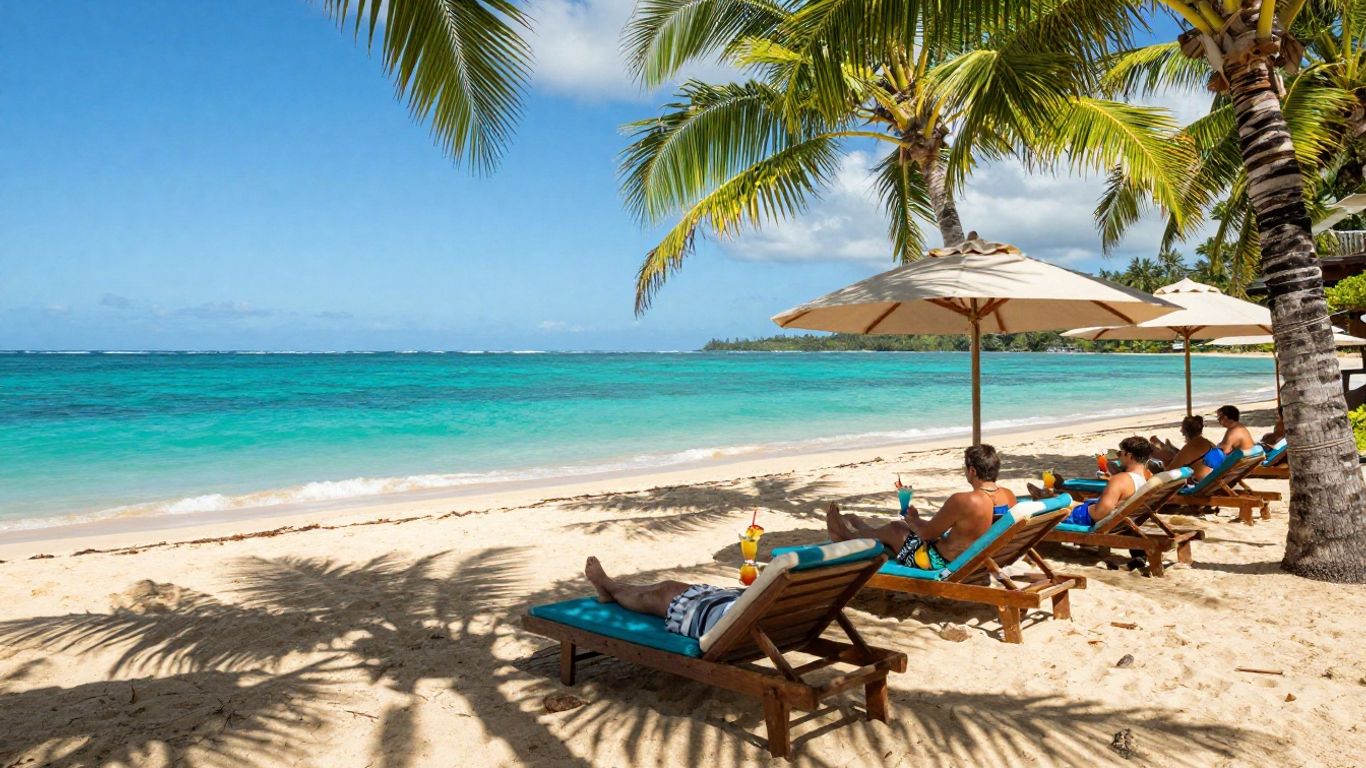
Fiji, often called the Paradise Islands,’ offers more than just sun and sand. Its warm, clear waters are perfect for exploring underwater, and snorkeling is a fantastic way to see it all without needing special training. It’s super affordable and a great way to experience the amazing marine life. But like any ocean adventure, it’s smart to know a few things beforehand to make sure your trip is safe and fun for everyone.
Key Takeaways
Always snorkel with a buddy and let someone know your plans if you’re going alone. This is super important for safety.
Pick the right gear! A mask that fits well, a snorkel that’s easy to use, and comfy fins make a big difference. Consider a life jacket if you’re not a strong swimmer.
Protect yourself from the sun with a rash guard and reef-safe sunscreen. Stay hydrated to avoid getting too hot.
Respect the ocean and its creatures. Don’t touch coral or marine animals, and be aware of your surroundings to avoid injuries.
Pay attention to the weather and water conditions. Check tides and currents, and know when to get out of the water if it gets rough.
Understanding Fiji Snorkeling Safety
Alright, let’s talk about staying safe while you’re out there enjoying Fiji’s amazing underwater world. It’s not rocket science, but a little common sense goes a long way. The ocean is beautiful, but it’s also powerful, and knowing a few things can make your snorkeling trip way more enjoyable and, well, safe.
Buddy System Essentials
First off, never snorkel alone . Seriously, this is rule number one. Find someone to go with, a buddy. You guys stick together. If one of you gets into trouble, the other can help. It’s also just more fun to share what you see, right? If for some wild reason you absolutely have to go solo, make sure someone on shore knows exactly where you’re going and when you expect to be back. Don’t be that person who causes a panic.
Navigating Currents and Tides
Fiji’s waters can be tricky with currents and tides. It’s a good idea to check the local tide charts before you head out. If you do run into a current, a smart move is to swim into it at first. That way, when you get tired, the current will actually help push you back to where you started. What you really want to avoid are rip currents – those can pull you out to sea fast. They often happen in channels between reefs. Also, be mindful when the tide is going out, especially from high tide to low tide, as this can create a strong outward pull.
Recognizing Distress Signals
Knowing how to signal for help is pretty important. It’s simple: if you’re okay, put both arms straight up over your head and make a big O’ shape. If you need help, wave one arm straight up and down above your head. Keep waving it. This way, if someone sees you, they’ll know right away what’s up. It’s good to practice these signals with your buddy before you even get in the water.
The ocean can change quickly. Always pay attention to the conditions around you. If something feels off, it’s better to be cautious and head back to shore. Don’t push your limits, especially if you’re new to snorkeling or the area.
Here’s a quick rundown of what to watch out for:
Boat Traffic: Keep a good distance from any boats. Boat drivers might not see you, especially with the sun glare. Stay out of their usual path.
Marine Life: While amazing to see, some creatures can sting or bite. Don’t touch anything. Just observe from a distance.
Your Own Limits: Know how strong a swimmer you are. Don’t go too far out if you’re not comfortable. Getting tired far from shore is no fun.
Remember, a little preparation and awareness make all the difference for a fantastic snorkeling adventure in Fiji. You can find some great snorkel gear if you need to pick up anything before your trip.
Essential Snorkeling Gear for Fiji
Alright, so you’re heading to Fiji and want to check out what’s under the waves. Awesome! Having the right gear makes a huge difference, trust me. It’s not just about looking the part; it’s about comfort and, honestly, safety too. You don’t want to be fiddling with leaky gear when there’s a whole underwater world to see.
Choosing the Right Mask and Snorkel
First up, the mask. This is your window to Fiji’s underwater sights. A good mask should fit snugly without being too tight, and it shouldn’t leak. To test it, just put it on your face, no strap yet, and take a gentle breath through your nose. If it sticks to your face, that’s a good sign. You don’t want it to fall off when you’re looking at a cool fish! Also, a little trick to stop it from fogging up: spit inside the lens, rub it around, and then rinse it with a bit of seawater. Works like a charm. For the snorkel, look for one with a "purge" valve. It makes it way easier to clear out any water that splashes in. Just give a good puff of air, and the water goes bye-bye.
Selecting Comfortable Fins
Fins are what propel you through the water. You want ones that feel good on your feet. They shouldn’t be so tight they cut off circulation, but not so loose that they slip off. Most rental places will have a few sizes, so try them on. If you’re planning on doing a lot of snorkeling, especially if you have smaller feet or are buying for kids, bringing your own might be worth it for the perfect fit. Think about the type of snorkeling you’ll be doing – for casual reef exploring, a standard full-foot fin is usually great. If you’re going to be in the water for longer stretches, maybe a slightly more adjustable strap fin could be better.
The Importance of a Life Jacket
Now, I know what some of you might be thinking: "A life jacket? " And that’s great, but hear me out. Fiji’s waters can sometimes have unexpected currents, and even the strongest swimmers can get tired. A life jacket, or a buoyancy vest, gives you that extra bit of security. It lets you float effortlessly, saving your energy so you can actually enjoy looking around instead of constantly treading water. Plus, it makes you more visible to boats. It’s a simple piece of gear that can make a big difference in your comfort and safety out on the water. You can often rent these along with your mask and snorkel, so don’t skip it.
Remember, the Fijian sun is no joke. Even if it feels cool in the water, you can get a nasty sunburn surprisingly fast. Consider a rash guard or a long-sleeved shirt to wear over your swimsuit. It protects your back and shoulders, which are usually the most exposed parts when you’re floating along.
Protecting Yourself While Snorkeling
The Fijian sun can be intense, even when it looks a bit cloudy. Without protection, you can get a nasty sunburn pretty quickly. It’s a good idea to cover up. Think about wearing a long-sleeved rash guard and maybe some swim leggings. For your head, a hat that stays on in the water, like a swim cap or a baseball cap, can help. When it comes to sunscreen, be careful. If you put too much on your face, it can mess with how well your mask seals, leading to leaks. Plus, if that sunscreen gets in your eyes with saltwater, it stings!
Sun Protection Strategies
Wear protective clothing: A long-sleeved rash guard and full-length swim leggings are your best bet for covering most of your skin. This acts as a physical barrier against the sun’s rays.
" Regular sunscreens can harm the delicate coral and marine life you’re there to see.
Avoid applying it directly to your face if possible, or use a sunscreen stick designed for the face, as lotions can interfere with mask seals.
Wear a hat: A hat or cap that can get wet will protect your scalp and face. Some people even wear a full-face snorkel mask for maximum protection.
Hydration and Heatstroke Prevention
It’s easy to forget about staying hydrated when you’re having fun in the water, but it’s really important. The sun and saltwater can dehydrate you faster than you might think. Always drink plenty of water before and after your snorkeling sessions. Watch out for signs of heatstroke, like dizziness, nausea, or a headache. If you feel any of these, get out of the water, find some shade, and drink some water right away.
Staying hydrated is key to enjoying your time in the water. Dehydration can sneak up on you, especially under the tropical sun. Make sure you’re drinking water consistently throughout the day, not just when you feel thirsty.
Avoiding Marine Life Hazards
Fiji’s waters are full of amazing creatures, but some can cause harm if you’re not careful. It’s best to admire them from a distance and never touch them. Some things to watch out for:
Coral: Don’t stand on coral. It’s sharp and can cut you, and more importantly, it’s a living organism that’s easily damaged. Touching or breaking coral can harm the reef for years to come.
Stinging creatures: Be aware of things like jellyfish, sea urchins, and certain types of starfish. While most are harmless, some have defensive stinging capabilities. If you see something that looks like it might sting, just give it a wide berth.
Hidden critters: Sometimes, creatures like stingrays like to bury themselves in the sand. When entering the water, shuffle your feet rather than taking big steps, especially in shallow, sandy areas, to alert anything hiding beneath the surface.
Remember, you’re a visitor in their home. Respecting marine life means observing without disturbing. This keeps both you and the underwater world safe.
Respecting Fiji’s Marine Environment
Fiji’s underwater world is truly something special, a vibrant tapestry of life that we all want to keep that way. When you’re out there with your snorkel, remember you’re a guest in a delicate ecosystem. It’s not just about seeing the fish; it’s about making sure they’re still here for the next person, and for their own sake.
Adhering to Fiji Snorkeling Etiquette
Being a good snorkeling guest is pretty straightforward. It mostly comes down to common sense and a bit of awareness. The golden rule is to observe, not interact. Think of yourself as a silent spectator at nature’s most amazing show.
Here are a few things to keep in mind:
Keep your distance: Don’t chase or try to touch any marine animals. Let them come to you if they want to.
Watch your fins: It’s easy to accidentally kick a coral or a sea creature when you’re moving around. Try to hover or float gently, and be extra careful when you’re near the bottom.
No souvenirs: Leave everything as you found it. Taking shells, coral, or anything else from the ocean floor is a big no-no and can disrupt the habitat.
Use reef-safe sunscreen: Regular sunscreens can contain chemicals that are harmful to coral. Look for products labeled "reef-safe" or "mineral-based" to protect both your skin and the ocean.
Being mindful of your actions underwater makes a real difference. It’s about leaving no trace and ensuring the beauty you see today is there tomorrow.
Protecting Coral Reefs
Coral reefs are the bustling cities of the ocean, full of life and color. They’re also incredibly fragile. Even a small touch can damage them, and it takes a long time for them to grow back, if they can at all.
Don’t stand on coral: This is probably the most important thing. Even if it looks like a rock, it’s a living organism. Standing on it can break it and kill it.
Avoid touching anything: This includes coral, sponges, and any other sessile (non-moving) marine life. They have delicate tissues that can be easily injured.
Be aware of your gear: Make sure your fins, snorkel, or camera don’t bump into the reef. If you’re in shallow water, be extra cautious.
Responsible Interaction with Marine Creatures
Fiji is home to an incredible array of marine life, from tiny, colorful fish to majestic sea turtles. Interacting with them responsibly means ensuring your presence doesn’t negatively impact their lives. You might even get to see manta rays if you’re lucky, which is an amazing experience when done right. Remember, these creatures are not pets or props; they are wild animals in their natural habitat. Always prioritize their well-being over a photo opportunity. Learning about sustainable tourism in Fiji can give you more ideas on how to be a responsible traveler.
When you’re snorkeling, you might encounter creatures like sea urchins or jellyfish. It’s best to admire them from a safe distance. If you’re unsure about a particular animal, it’s always better to err on the side of caution and just watch it swim by. The goal is to have a positive impact, or at least no negative impact, on the environment you’re visiting.
Best Times and Conditions for Snorkeling
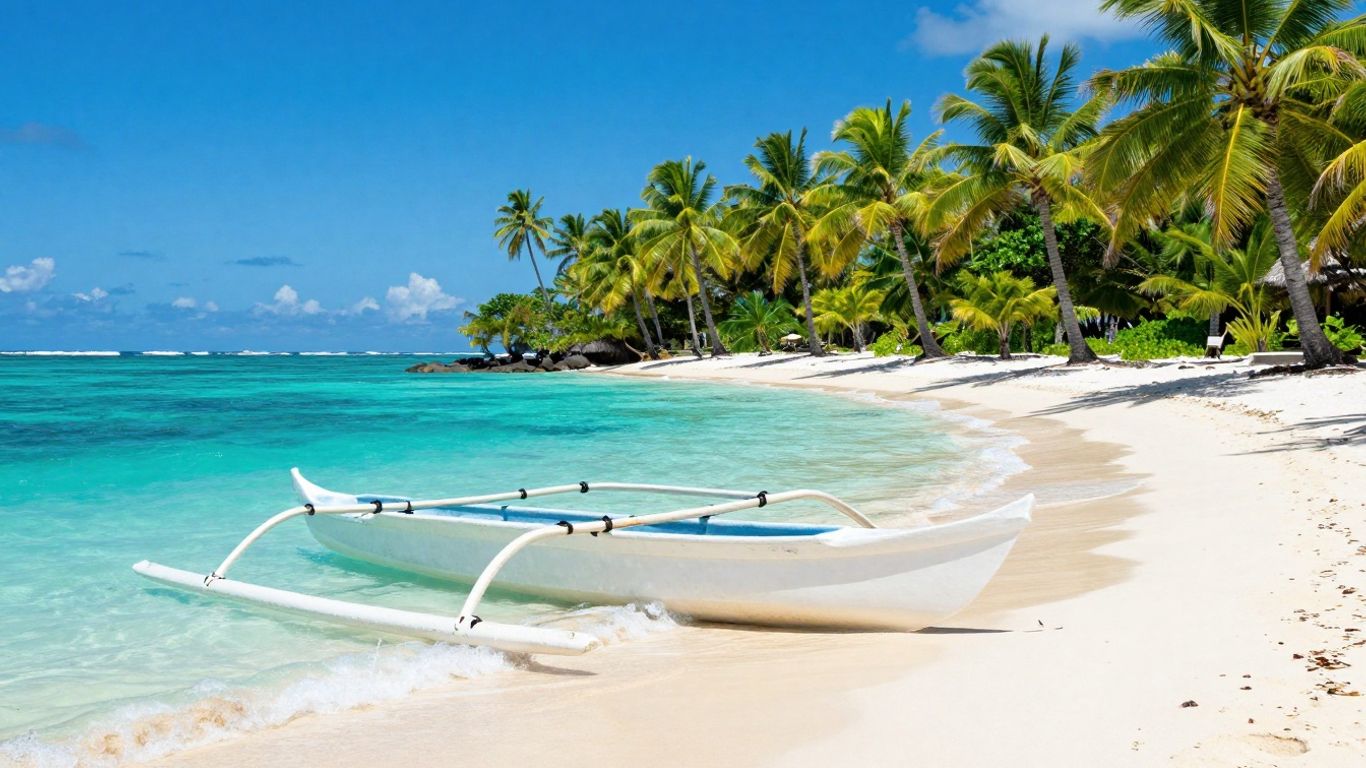
Figuring out the best time to get in the water for snorkeling in Fiji really makes a difference in what you’ll see and how comfortable you’ll be. While you can pretty much snorkel year-round, there are definitely periods that are better than others. This is when the seas tend to be calmer, and the water visibility is at its clearest, making those vibrant coral reefs and colorful fish pop.
Optimal Snorkeling Seasons
Fiji’s weather patterns mean there’s a distinct dry season and a wet season. Visiting during the dry season offers the best chance for calm seas and crystal-clear visibility, perfect for underwater adventures. Fiji’s climate varies, so planning around these seasons is smart.
Ideal Times of Day for Visibility
Within any given day, early mornings are often magical for snorkeling. The winds are usually gentler, the currents are more subdued, and the water tends to be exceptionally clear. Plus, you often get the reef almost to yourself before the day gets busier. This quiet time is fantastic for observing marine life that might be more active in the cooler morning hours. Midday sun can be intense, so an early start also helps you avoid the harshest UV rays. As the day progresses, wind can pick up, sometimes stirring up sediment and reducing visibility, especially in shallower areas.
Assessing Water Conditions
Before you even think about jumping in, take a moment to check the water. Look for:
Clarity: Can you see the bottom easily? Murky water can hide hazards and makes spotting marine life harder.
Currents: Are there strong visible currents? If you’re unsure, ask a local or your resort staff. It’s always better to be safe than sorry.
Wind: Notice the wind direction and strength. Strong winds can create choppy conditions on the surface, making it harder to relax and enjoy your snorkel.
Always pay attention to local advice regarding water conditions. Resorts often provide daily updates, which can be super helpful for planning your snorkeling excursions. If conditions seem rough or you’re not a confident swimmer, it’s best to stick to calmer, protected areas or perhaps try a guided tour where experts can assess the situation for you.
Remember, being prepared and choosing the right time and conditions will make your snorkeling experience in Fiji so much more enjoyable and safe.
Shore Entry Considerations
Getting into the water from the beach or shore requires a bit of planning, especially in Fiji where the coastline can be rocky or have shallow reefs. If you’re wearing full-foot fins, put them on before you get to the water’s edge. It’s much easier to walk backward into the water this way, which also helps you see where you’re stepping. Be mindful of what’s underfoot; even in sandy areas, creatures like stingrays like to bury themselves. A gentle shuffle of your feet as you walk can alert them to your presence. Always check the seabed for any hidden hazards before wading in.
Boat Entry Procedures
If you’re heading out to a snorkeling spot via boat, the crew will usually guide you on the best way to enter the water. This might involve a giant stride off the side of the boat or a gentle slide in from a platform. Listen carefully to the instructions. Before you go, make sure your mask is secure and your snorkel is clear. If you’re feeling a bit unsure, don’t hesitate to ask for a life jacket, even if you’re a strong swimmer.
Awareness of Seabed Creatures
Fiji’s waters are alive, and that includes the seabed. When entering the water, especially from shore, be aware that you might be stepping near or on marine life. Things like sea urchins can be camouflaged against rocks, and as mentioned, stingrays often bury themselves in the sand. It’s a good practice to shuffle your feet when walking in shallow water to avoid surprising any creatures. If you’re getting out of the water and need to stand, try to do so on a sandy patch or a clearly visible rock, rather than blindly putting your foot down.
Remember, you are a visitor in their home. A little bit of awareness goes a long way in ensuring a safe and respectful experience for both you and the marine life.
Ready to Dive In?
So, you’re all set to explore Fiji’s amazing underwater world. Remember, a little preparation goes a long way. Keep those safety tips in mind, respect the ocean and its creatures, and you’re guaranteed an unforgettable adventure. Whether you’re a beginner or have done this a hundred times, Fiji’s reefs are waiting. Just grab your gear, maybe a buddy, and get ready to be amazed by all the colorful fish and coral. It’s truly a special place, and with a bit of care, we can all help keep it that way for years to come.
What’s the best time of year to go snorkeling in Fiji?
Fiji is awesome for snorkeling pretty much any time! The water is warm, and you can see so much more.
Do I need to be a strong swimmer to snorkel in Fiji?
Not at all! As long as you can swim a little, you’re good to go. Wearing a life jacket is a great idea if you’re not a super confident swimmer, especially if you’re going out a bit further from shore. It helps you float easily and keeps you safe.
What essential gear should I bring for snorkeling in Fiji?
You’ll definitely need a mask that fits well so it doesn’t leak, a snorkel to breathe through, and fins for your feet. A long-sleeved rash guard is also smart for sun protection, and always use reef-safe sunscreen. A life jacket is a good backup for safety.
Is it safe to snorkel alone in Fiji?
Nope, never snorkel alone! Always go with a buddy. This way, if you need help, your friend can assist you. If you can’t find a buddy, make sure you tell someone on land where you’re going and when you expect to be back.
What should I watch out for in Fiji’s waters?
Be aware of currents and tides, as they can sometimes be strong. Also, keep an eye out for boat traffic. Some sea creatures, like sea urchins or jellyfish, can sting, so it’s best not to touch anything you see. And remember to be gentle with the coral – don’t touch or stand on it!
How can I protect myself from the sun while snorkeling?
The Fijian sun is powerful! Wear a long-sleeved rash guard or a wetsuit to cover your skin. Use reef-safe sunscreen on any exposed areas, but be careful not to get it in your eyes, as it can sting. A hat is also a good idea when you’re not in the water.
Confirm current details
Confirm current schedules, prices, availability, conditions and local guidance directly with the responsible official source or provider before making a nonrefundable plan.
Use this guide for trip ideas, not a current quotation or a guarantee of access, safety, inclusions or availability. Confirm the requirements and conditions for your dates, destination and provider before booking.