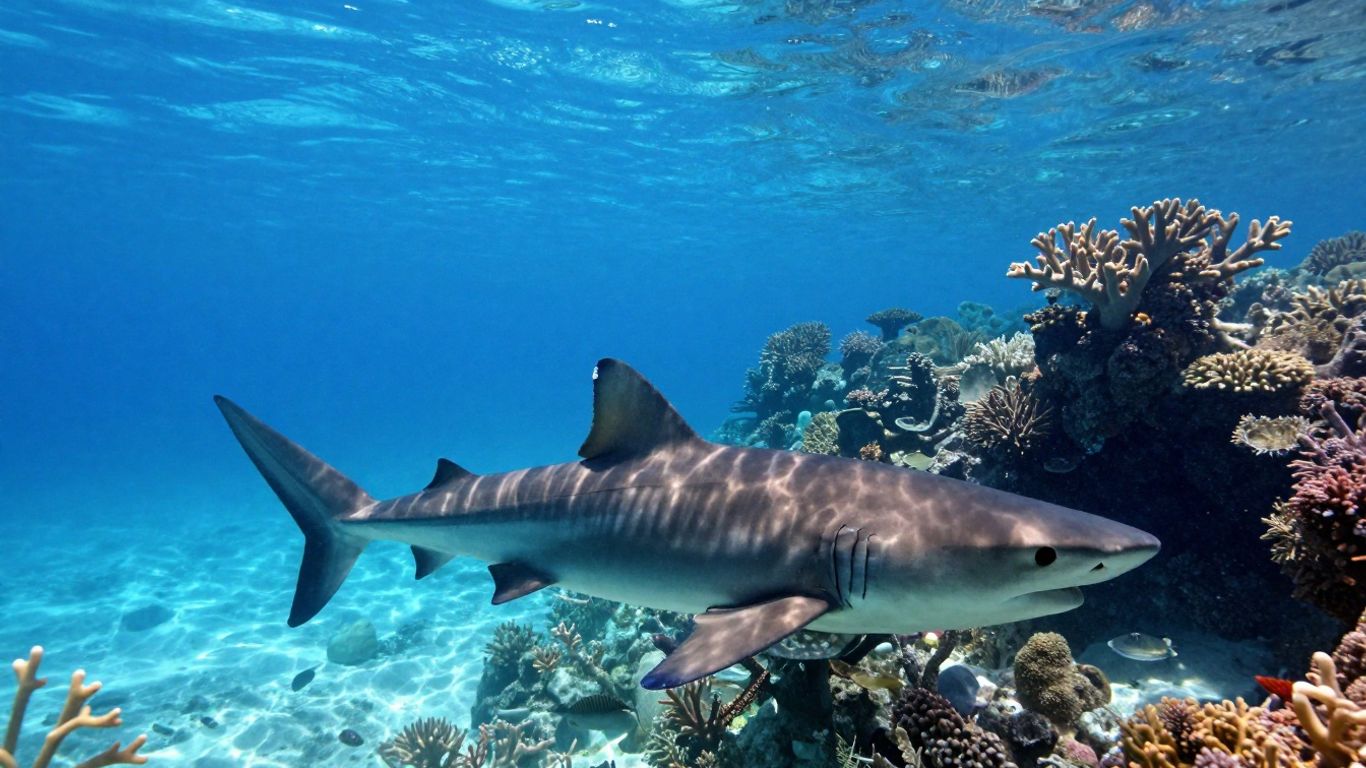

You’ve probably heard about the amazing shark diving opportunities there, and maybe you’re wondering if it’s safe and how to go about it. It’s totally understandable to have questions! Fiji is actually one of the best places in the world for this kind of experience, with several spots offering cage-free encounters. We’ll cover the best locations, how to pick a good tour operator, and what you can expect so you can plan your adventure.
Key Takeaways
Shark diving in Fiji is generally safe when done with reputable operators who follow strict protocols.
Beqa Lagoon near Pacific Harbour and the Yasawa Islands are prime spots for Fiji shark diving.
Always choose a trusted dive operator with good safety records and proper certifications.
Understanding shark behavior and following guide instructions is key to a safe and enjoyable experience.
Cage-free dives are the norm, allowing for natural encounters with various shark species.
Best Locations for Fiji Shark Diving
When you think about shark diving in Fiji, a couple of spots immediately come to mind, each offering a unique way to see these incredible creatures. It’s not just about seeing sharks; it’s about experiencing them in their natural environment, safely and responsibly.
Beqa Lagoon in Pacific Harbour
This is probably the most famous spot for shark encounters in Fiji, and for good reason. Located off the southern coast of Viti Levu, near Pacific Harbour, Beqa Lagoon is a protected marine area. It’s renowned for its high concentration of bull sharks, but you can also spot other species here. It’s a place where you can really feel the power and presence of these animals.
Bull Sharks: Beqa Lagoon is a prime location for bull shark encounters. These powerful sharks are a major draw for many visitors.
Variety of Species: Beyond bull sharks, you might also see whitetip reef sharks, blacktip reef sharks, and sometimes even tiger sharks.
Accessibility: Pacific Harbour is relatively easy to get to from Nadi and Suva, making it a popular choice for day trips or short stays.
The experience here is often described as awe-inspiring, with multiple sharks often visible at once. It’s a well-established site with operators who have been doing this for years.
Shark Dives in the Yasawa Islands
If you’re looking for a slightly different vibe, the Yasawa Islands offer shark diving opportunities too. While perhaps less famous than Beqa Lagoon for bull sharks, these islands provide a more remote and perhaps more intimate experience. Some resorts in the Yasawas offer shark encounters, often focusing on different species that inhabit the shallower reefs and waters around the islands. It’s a great option if you’re already planning to explore the stunning Yasawa chain.
Barefoot Kuata Resort: This resort is known for its shark encounters, often involving smaller species in shallower waters. It’s a good introduction for those who might be a bit nervous.
Island Setting: The Yasawas offer a more laid-back, island-hopping feel, combining shark viewing with the typical Fijian paradise experience.
Different Species: You’re more likely to encounter species like whitetip reef sharks and blacktip reef sharks here.
Other Noteworthy Shark Dive Sites
While Beqa Lagoon and the Yasawas get most of the attention, Fiji has other areas where shark sightings are common. These might not be dedicated shark feeding’ or shark encounter’ sites in the same way, but they are fantastic places for general reef exploration where sharks are a natural part of the ecosystem. Exploring these sites can lead to unexpected and wonderful encounters.
Bligh Water: Known for its vibrant coral reefs and pelagic life, Bligh Water is a hotspot for various shark species, including larger ones that pass through.
Kadavu Island: The waters around Kadavu, particularly the Great Astrolabe Reef, are rich in marine life and offer chances to see sharks in a less managed setting.
Taveuni: While famous for the Rainbow Reef, the surrounding waters also host a healthy shark population, often seen during general reef exploration dives. You can find more information about exploring Fiji’s underwater world at Fiji’s underwater world .
These locations provide a spectrum of experiences, from the adrenaline-pumping encounters in Beqa Lagoon to the more natural sightings in other parts of Fiji. Each offers a chance to connect with the ocean’s apex predators in a way that respects their nature and environment.
Evaluating Operator Safety Standards
When you’re planning a shark dive in Fiji, picking the right company is super important. It’s not just about seeing sharks; it’s about doing it safely and responsibly. Look for operators who clearly explain their safety procedures. They should have a solid track record and experienced guides who know the local waters and marine life inside out. Ask them about their emergency plans and what kind of training their staff has. A good operator will be upfront about all of this.
Top Dive Companies to Consider
Several operators in Fiji have built a strong reputation for shark diving. Beqa Adventure Divers, operating out of Pacific Harbour, is one of the most well-known, with decades of experience. In the Yasawa Islands, you might find operators associated with resorts like Barefoot Kuata, which also offers shark encounters. It’s always a good idea to research a few different companies and see which one best fits your comfort level and what you’re looking for in an experience.
Checking Dive Certifications and Reviews
Before you book, do a little digging. Check if the dive operator is affiliated with recognized diving organizations. Look for online reviews from other divers – these can give you a real sense of what to expect regarding safety, professionalism, and the overall experience. Pay attention to comments about the guides’ knowledge and how they handle the dive. A company with consistently positive feedback is usually a safe bet.
Understanding the Safety of Shark Diving in Fiji
When you think about diving with sharks, it’s natural to wonder about safety. The media often paints a picture of these animals as something to fear, but the reality of shark diving in Fiji is quite different. The operations here are run by experienced professionals who have been doing this for decades. They follow strict protocols to make sure everyone stays safe.
Essential Safety Protocols and Guidelines
Before you even get in the water, you’ll receive a thorough briefing. This isn’t just a quick chat; it covers everything you need to know. You’ll be told to stay still, avoid sudden movements, and not extend your arms, as these actions can be misinterpreted by the sharks. The general rule is to move slowly and deliberately.
Here are some key guidelines you’ll likely hear:
Remain calm and avoid erratic movements.
Follow the divemaster’s directions at all times.
Do not attempt to touch or feed the sharks.
Role of Shark Handlers During Dives
Each dive group has dedicated shark handlers, often with at least one handler for every five divers. These individuals are experienced professionals who stay behind the group, monitoring the sharks’ behavior. Their presence provides an extra layer of security and allows less experienced or more nervous individuals to feel more at ease.
While the presence of handlers might seem like a sign of danger, it’s actually a testament to the operators’ commitment to safety. They are there to manage the environment and ensure a controlled experience for everyone involved.
Incidents and Safety Statistics
Shark diving operations in Fiji have a remarkably good safety record. Because these dives are so well-managed and have been conducted for so long, serious incidents are extremely rare. The operators are highly invested in maintaining this record. While it’s true that you’re entering the natural habitat of powerful predators, the controlled environment and expert guidance significantly minimize risks. In fact, statistically, you’re more likely to encounter danger from everyday activities than from a guided shark dive in Fiji. For instance, falling coconuts are a more frequent cause of injury than shark encounters. If you’re looking for a unique marine adventure, consider exploring Fiji’s vibrant coral reefs .
Fiji Shark Species Commonly Encountered During Dives
When you head out for a shark encounter in Fiji, especially at a spot like Beqa Lagoon, you’re likely to meet a few regulars. It’s not just about seeing sharks; it’s about understanding who you’re sharing the water with.
Bull Sharks and Their Behavior
Bull sharks are often the stars of the show. These guys are known for their stocky build and their ability to hang out in both fresh and saltwater. They’re quite common in the Beqa Lagoon area, and seeing a group of them is pretty much a guarantee on most dives. They tend to be curious and can be quite active, so paying attention to the divemaster’s instructions is key. You’ll often see dozens of bull sharks during a single dive. They’re not usually aggressive unless provoked, but their sheer numbers and presence make for an unforgettable experience.
Other Frequent Shark Species
Beyond the bull sharks, there’s a good chance you’ll spot other species too. Keep an eye out for:
Grey Reef Sharks: These are sleek, agile sharks often seen cruising around the reef. They’re a common sight and add to the dynamic underwater scene.
Silvertip Sharks: Recognizable by the distinctive silver edges on their fins, silvertips are also frequent visitors. They tend to prefer deeper waters but are often seen during these specialized dives.
Blacktip Reef Sharks: Usually found in shallower waters, these sharks are named for the black markings on their dorsal fins. They’re active hunters and add to the diversity of the shark population you might encounter.
Nurse Sharks: These are generally more docile and slow-moving, often found resting on the seabed. They’re a more relaxed presence compared to the more active species.
Rare Shark Encounters
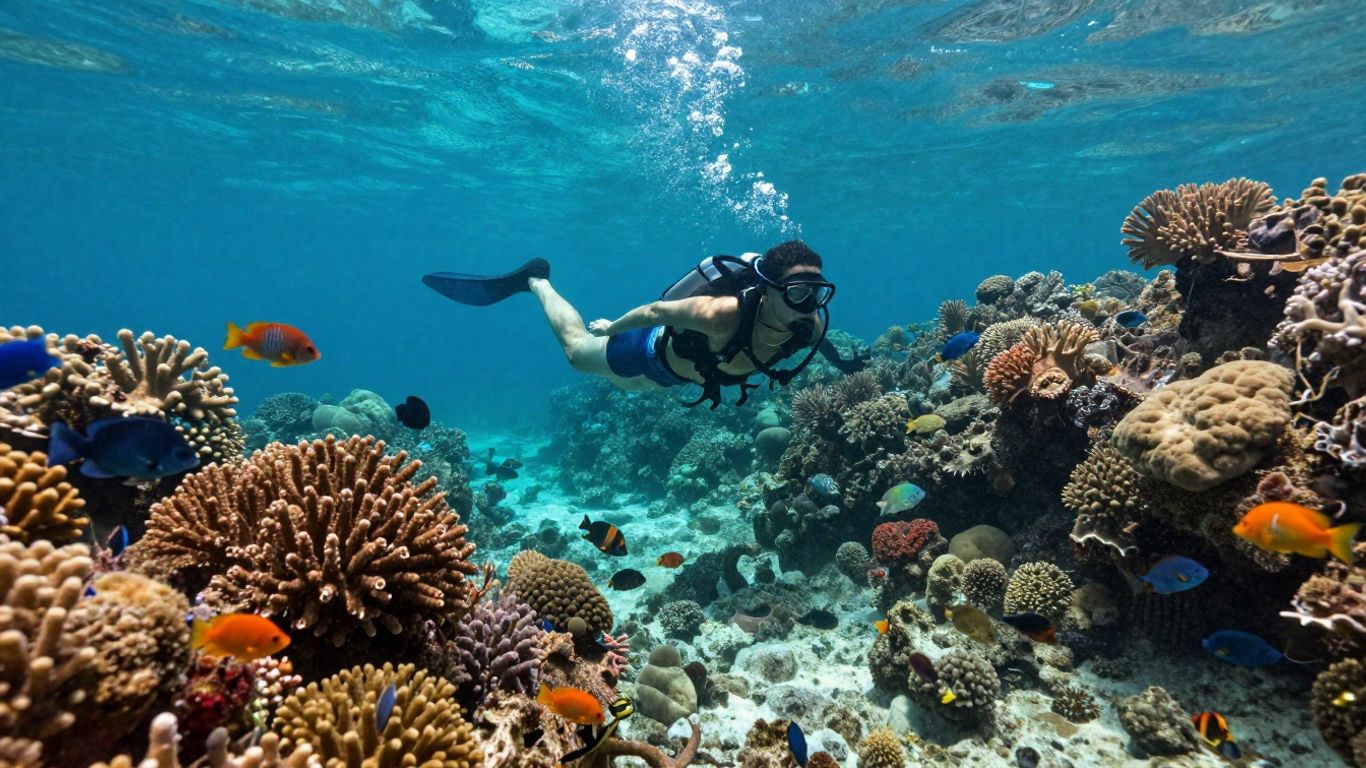
While the above species are quite common, there’s always a chance for something truly special. The most sought-after rare sighting is the Tiger Shark . These are massive, powerful predators, and their appearance is a matter of luck. They are significantly larger than bull sharks, and when one shows up, the other sharks tend to give it space. Seeing a tiger shark is a rare treat, a true highlight for any lucky diver. Other less common sightings might include lemon sharks or even hammerheads, though these are less predictable.
The presence of so many different shark species in one area highlights the health of the local marine ecosystem. It’s a testament to the conservation efforts that help keep these waters vibrant and full of life. Observing these apex predators in their natural habitat is a privilege that comes with a responsibility to respect their environment.
If you’re planning a trip to Fiji, you’ll find that the islands offer a truly unique South Pacific experience . The waters teem with life, and the shark encounters are just one part of the incredible marine biodiversity.
Fiji Shark Diving Certifications and Requirements
Diving with sharks in Fiji isn’t just a bucket-list adventure; it comes with some specific requirements and recommendations to keep things safe and enjoyable for everyone involved. Here’s what you need to know before you book that trip.
Recommended Certification Levels
Some operators offer intro courses or special sessions for less experienced divers, usually limited to shallow water or snorkeling experiences.
Pre-Dive Training and Briefings
Operators in Fiji take preparation seriously. Here’s what happens before you hit the water:
Safety briefing (covering shark behavior, hand signals, emergency plans)
Review of gear usage and in-water conduct
For first-timers, some resorts offer short intro courses or pool practice
Take every pre-dive briefing seriously. Even if you’ve dived a hundred times, there’s always something new about shark behavior or local protocols that you’ll hear.
Rental Equipment and Gear Guidelines
Fiji’s shark operators maintain strict standards for equipment, both for your safety and the sharks’ well-being:
Full-length wetsuits are required for all shark dives (usually 3mm minimum, to prevent scrapes and keep you warm)
Gloves and hoods are often recommended
No white or highly reflective gear, including fins and masks
High-quality gear can be rented on-site if you don’t have your own
Recommended Equipment Checklist
Mask, snorkel, and fins
Full wetsuit (3mm or more)
Buoyancy control device
Dive computer or depth gauge
Regulator (available for rent)
Optional: Underwater camera (some operators have rules—double-check in advance)
All these requirements might sound a bit much, but they’re what make Fiji’s shark dives both safe and unforgettable!
Dry Season Versus Wet Season
When planning your trip to Fiji for some shark encounters, you’ll want to think about the weather. Fiji has two main seasons: the dry season and the wet season. This period usually brings sunnier skies and less humidity, making it a popular time for visitors. For shark diving, the dry season is often favored because of the generally calmer seas and better visibility, which can make for a more pleasant experience overall.
Shark Behaviors by Month
While you can see sharks in Fiji throughout the year, certain months might offer slightly different experiences. Bull sharks, a common sight, are present year-round. It’s always a good idea to check with local operators about what they’re observing in the months leading up to your planned visit.
Best Weather Conditions for Diving
Clear skies and calm waters are ideal for any marine activity, and shark diving is no exception. While visibility can still be good, especially in areas like the Bligh Waters where it can range from 80-100 feet even in the wetter months, the possibility of storms means dives can sometimes be postponed or canceled. The most consistent conditions for shark diving are generally found during the dry season.
Planning your visit around the dry season often means more predictable weather, which is a big plus when you’re traveling for a specific activity like shark diving. It’s not just about avoiding rain; it’s about maximizing your chances for smooth boat rides and clear underwater views.
Conservation and Ethical Practices in Fiji Shark Diving
When you’re thinking about getting in the water with sharks in Fiji, it’s good to know that many of the outfits doing this are really focused on protecting these animals and their homes. It’s not just about showing tourists a good time; there’s a genuine effort to help these creatures thrive.
Feeding and Baiting: Pros and Cons
One of the things you’ll notice is that many shark dives use bait or chum to attract the sharks. This is a bit of a tricky subject, and people have different views on it.
Many believe this positive experience can lead to greater care for shark conservation.
Cons: There’s a concern that this might change the sharks’ natural behavior, making them associate humans with food. Some worry this could lead to more aggressive tendencies, though operators often state this isn’t the case with their methods.
The debate around baiting is complex. While it undeniably brings sharks closer for observation, it’s important to consider the potential impact on their natural feeding patterns and behaviors. Responsible operators aim to minimize any negative effects and prioritize the well-being of the sharks.
Marine Reserve Initiatives
Many of the areas where shark diving happens are actually protected zones. For example, the waters around places like Beqa Lagoon have been made into no-fishing areas. This is a big deal because it gives the sharks and other marine life a safe place to live and grow. The local communities often benefit from this too, getting support that helps them avoid fishing in these sensitive spots. It’s a way to help the reef bounce back and become a vibrant ecosystem again.
Diver Education and Local Collaboration
Beyond just the dives themselves, a lot of these operations are big on teaching people. They want visitors to leave with a better appreciation for sharks and the ocean. They often work with local villages and marine scientists, sharing knowledge and collaborating on projects. This partnership helps protect the marine environment and also supports the local economy in a sustainable way. It’s about creating a win-win situation where tourism helps conservation efforts.
What to Expect on a Typical Fiji Shark Dive
So, you’re thinking about diving with sharks in Fiji? Awesome! It’s a pretty wild experience, and knowing what’s coming can make it even better. Forget what you’ve seen in movies; these dives are all about observation and respect for these amazing creatures.
Pre-Dive Preparation and Briefing
Your day usually kicks off early. You’ll head to the dive shop to get your gear sorted. This is where the magic really starts to happen – the briefing. The divemasters are super serious about safety, and they’ll walk you through everything. Think of it as your shark etiquette class. ), and how to move calmly in the water. This detailed briefing is your most important preparation step. They’ll also explain the role of the shark handlers, who are there to keep a watchful eye and gently redirect any overly curious sharks.
Dive Site Structures and Features
Most of the famous shark dives in Fiji, especially around Beqa Lagoon, are set up for observation. You won’t be doing much swimming around. Instead, you’ll likely be positioned on or near a reef wall or a designated feeding station. Operators often use ropes or structures to help you stay in place. The divemasters will set up bait boxes, usually with tuna heads, to attract the sharks. You’ll descend to a specific depth, often around 30 meters (about 100 feet) for the main event, and then might move to shallower areas for subsequent stops. It’s more like sitting in a front-row seat to a natural spectacle than a typical exploration dive.
Underwater Photography Opportunities
Bring your camera! This is a photographer’s dream. With multiple species often present, including bull sharks, tiger sharks, and various reef sharks, you’ll have plenty of subjects. The clear Fijian waters usually offer great visibility. You’ll want to capture the incredible sight of these sharks gracefully approaching the bait station. Many divers find that the sheer number of sharks creates a dynamic and unforgettable scene, perfect for photos and videos. You might even get lucky and spot some of the rarer species that frequent these waters, like the tiger shark .
The experience is designed to be as safe as possible by minimizing diver interaction and maximizing shark observation. The focus is on understanding shark behavior in their natural environment, guided by experienced professionals.
Beqa Lagoon Resort Experiences

They’ve got this dive called the Tiger Shark Dive’ at a place called The Cathedral. It’s in Beqa Lagoon, and it’s where you can see some seriously big tiger sharks, along with about seven other kinds of sharks that hang out there. They also have a special Shark Conservation Diver’ course, which includes two dives at The Cathedral. If you’re not quite ready for a full scuba dive, they also do snorkeling tours and something called hookah snorkeling,’ which is kind of a mix between snorkeling and scuba. ’ It’s about a 45-minute boat ride from Pacific Harbour.
Barefoot Kuata Resort Offerings
Over in the Yasawa Islands, Barefoot Kuata Resort is another great option. ’ It’s on one of the closer islands to the main island, Viti Levu. You can actually do a shark swim as a day trip from Nadi, but honestly, staying a few days is way better. Experienced divers can do advanced dives and courses, and there are even chances to help out on conservation dives.
Custom Dive Packages for Visitors
Many places in Fiji can put together custom packages for you. This is super handy if you have specific things you want to do or see. You can often combine shark dives with other activities like visiting local villages, exploring reefs, or even trying other water sports. It’s worth contacting a few different operators to see what they can arrange. They can usually help with transfers, accommodation, and planning your days so you get the most out of your trip without feeling rushed. It’s all about tailoring the experience to what you’re looking for.
Travel Logistics for Fiji Shark Diving Enthusiasts
Sorting out the practical side of a Fiji shark diving trip can feel overwhelming at first—but with a little planning, you’ll be swimming with sharks in no time. Here’s how to make the journey smoother.
Getting to Pacific Harbour or Yasawa Islands
Pacific Harbour and the Yasawa Islands are the main gateways for shark experiences in Fiji.
Pacific Harbour: Located on the main island, Viti Levu. 5-hour drive from Nadi International Airport
Local taxi or pre-booked shuttle services are the most common ways to reach it
Yasawa Islands: Usually accessed by ferry.
Resort boats provide transfers from the ferry drop-off
Travel Comparison Table
Many operators suggest arriving the day before your first shark experience to get a good night’s rest and settle in with no rush.
Accommodation Recommendations
Fiji offers a wide range of stays to suit every taste—from cozy guesthouses to upscale resorts with dive packages.
In Pacific Harbour: Boutique hotels, self-catering villas, and dive resorts are available
On Yasawa Islands: Beachfront resorts with on-site shark diving and snorkeling programs
Budget-friendly options range from dorm beds to private bures (villas)
Booking Tips: Check if dive packages include accommodation and meals
Look for reviews from other divers to gauge comfort and reliability
Planning Day Trips Versus Longer Stays
When prepping your trip, decide if you’re just popping in for the sharks—or looking to unwind a bit longer.
Day Trips: Possible from Nadi or Suva to Pacific Harbour
Early morning start times (some as early as 6:00am pickup)
Less time to enjoy the local beaches or meet other divers
Longer Stays: Two to four nights is common for a relaxed experience
Enjoy extra activities like waterfall hikes, local culture tours, or night snorkeling
More flexibility for weather or last-minute changes in dive schedules
If you have the time, adding an extra day or two gives you room for delays, extra adventures, and a proper recovery between shark swims—you’ll thank yourself later!
Introduction Courses and Guided Dives
It’s totally understandable to feel a mix of excitement and nerves. The good news is that Fiji offers some really well-organized experiences perfect for beginners. Many operators provide introductory sessions that ease you into the water. These aren’t just about jumping in; they involve a thorough rundown of what to expect, how to behave around the sharks, and the safety measures in place. You’ll likely be paired with experienced guides who know these waters and the sharks like the back of their hand. They’ll be right there with you, pointing out different species and making sure you feel comfortable. It’s a fantastic way to build confidence and get a real feel for the underwater world without feeling overwhelmed.
Managing Nerves and Building Confidence
It’s completely normal to feel a bit jittery before your first shark encounter. Remember, the sharks you’ll see in Fiji are generally not aggressive towards humans, and the dive operators have decades of experience managing these interactions safely. The key is to trust the process and your guides. Before you even get in the water, you’ll get a detailed briefing. Listen carefully to the instructions about staying calm, moving slowly, and not making sudden movements. The guides often use a feeding station to keep the sharks focused, which creates a predictable environment. Seeing the sharks glide by peacefully, often more curious than anything else, can be incredibly calming. Many people find that the reality of the experience is far less intimidating than they imagined, and the sheer wonder of seeing these creatures in their natural habitat quickly takes over any initial fear.
Safety Reminders for Beginners
Your safety is the top priority for any reputable Fiji shark diving operation. Here are a few key things to keep in mind:
Listen to Your Guide: This is the most important rule. They know the sharks, the currents, and the dive site. Follow their instructions precisely.
Stay Calm and Move Slowly: Sudden movements can startle the sharks. Keep your movements smooth and deliberate. Avoid reaching out or trying to touch the sharks.
Maintain Awareness: While your guide will be watching the sharks, it’s good to be aware of your surroundings. Keep an eye on the sharks as they approach and move away.
Equipment Check: Make sure your gear fits properly and is in good working order. Your operator will help with this, but it’s good to be aware.
The dive sites are carefully chosen, and the sharks are accustomed to the presence of divers. The operators use specific techniques, like a feeding station, to manage the sharks’ behavior and create a controlled environment. This setup allows you to observe them safely from a respectful distance, turning a potentially daunting experience into an awe-inspiring one.
Here’s a quick look at what you might expect:
Ready for Your Fijian Shark Encounter?
So, you’re thinking about diving with sharks in Fiji? It’s a pretty amazing experience, and as we’ve seen, it can be done safely with the right operators. Remember, it’s all about being prepared, listening to your guides, and understanding that sharks are a vital part of our ocean. If you’re looking for an adventure that’s both thrilling and educational, Fiji’s shark dives are definitely worth considering. It’s a chance to see a different side of these often-misunderstood animals and come away with some unforgettable memories.
Is it safe to go shark diving in Fiji?
Yes, shark diving in Fiji is generally very safe when you choose a reputable operator. Dive companies have been doing this for many years and follow strict safety rules. They have experienced guides who know how to handle the sharks and make sure divers stay safe. You’ll get a thorough safety talk before you go in the water, and guides are always watching to keep the sharks and divers apart.
Do I need to be an experienced diver to go shark diving in Fiji?
For most shark dives in Fiji, especially those involving bull sharks, you’ll need to have an advanced diver certification. This is because the dives often go deeper, sometimes around 30 meters (about 100 feet). If you’re new to diving, it’s best to get your basic certifications first and then look for operators who offer introductory dives or snorkeling with sharks, like some places in the Yasawa Islands.
What kind of sharks will I see in Fiji?
Fiji is famous for its bull shark dives, but you can see a variety of sharks. Depending on the location, you might encounter bull sharks, tiger sharks, blacktip reef sharks, whitetip reef sharks, grey reef sharks, and silvertip sharks. The dive operators know where and when these different species are most likely to appear.
Are the shark dives in Fiji done in a cage?
No, the popular shark dives in Fiji, particularly the one at Beqa Lagoon, are done without cages. This allows for a more natural encounter, but it also means you need to follow the guides’ instructions very carefully to ensure your safety.
When is the best time of year to go shark diving in Fiji?
You can go shark diving in Fiji all year round because the sharks are always there.
What should I wear for a shark dive in Fiji?
It’s recommended to wear a full-length wetsuit, usually around 3mm thick. Even though the water is warm, you can get cold because you won’t be moving much during the dive. Some divers also wear gloves and a rashguard underneath for extra warmth and protection. Most dive operators can rent you the necessary gear if you don’t have your own.
How do dive operators attract the sharks?
Dive operators often use a practice called baiting’ or chumming’ to attract sharks. This usually involves using fish scraps to lure the sharks to the dive site. While this can change the sharks’ natural behavior slightly, many believe the benefit of allowing people to see and appreciate sharks, and thus support conservation efforts, outweighs this concern. The feeding is done in a controlled way to keep divers safe.
What if I’m nervous about diving with sharks?
It’s completely normal to feel a bit nervous! The best approach is to choose a well-known operator that prioritizes safety and provides clear instructions. Listen carefully to your guide, stay calm, and remember that sharks are usually more interested in the food than in divers. Many people find the experience peaceful and awe-inspiring once they are in the water and see the sharks’ behavior firsthand.
Confirm current details
Confirm current schedules, prices, availability, conditions and local guidance directly with the responsible official source or provider before making a nonrefundable plan.
Use this guide for trip ideas, not a current quotation or a guarantee of access, safety, inclusions or availability. Confirm the requirements and conditions for your dates, destination and provider before booking.