Thinking about diving in Fiji? It’s a pretty amazing place, often called the Soft Coral Capital of the World.’ Seriously, the colors underwater are just wild. Whether you’re just starting out or you’ve been diving for years, Fiji has something cool to offer. It’s not just about the coral, though. You can see sharks, manta rays, and just tons of fish. Planning a trip can feel like a lot, but it’s totally worth it for the incredible Fiji scuba diving experience. Let’s break down what you need to know.
Key Takeaways
Fiji is a top spot for scuba diving, known for its soft corals and diverse sea life, suitable for all skill levels.
Certification requirements vary, but most sites need at least an Open Water certificate; advanced options open up more sites.
The best time for diving is generally May to October, offering good visibility, though warmer waters are available year-round.
Popular dive destinations include Beqa Lagoon (sharks), the Rainbow Reef (corals), Kadavu, and Vatu-I-Ra Passage.
When planning your Fiji scuba diving trip, consider dive centers, accommodation styles (liveaboard vs. resort), and pack smart.
Discover Fiji’s Underwater Wonders
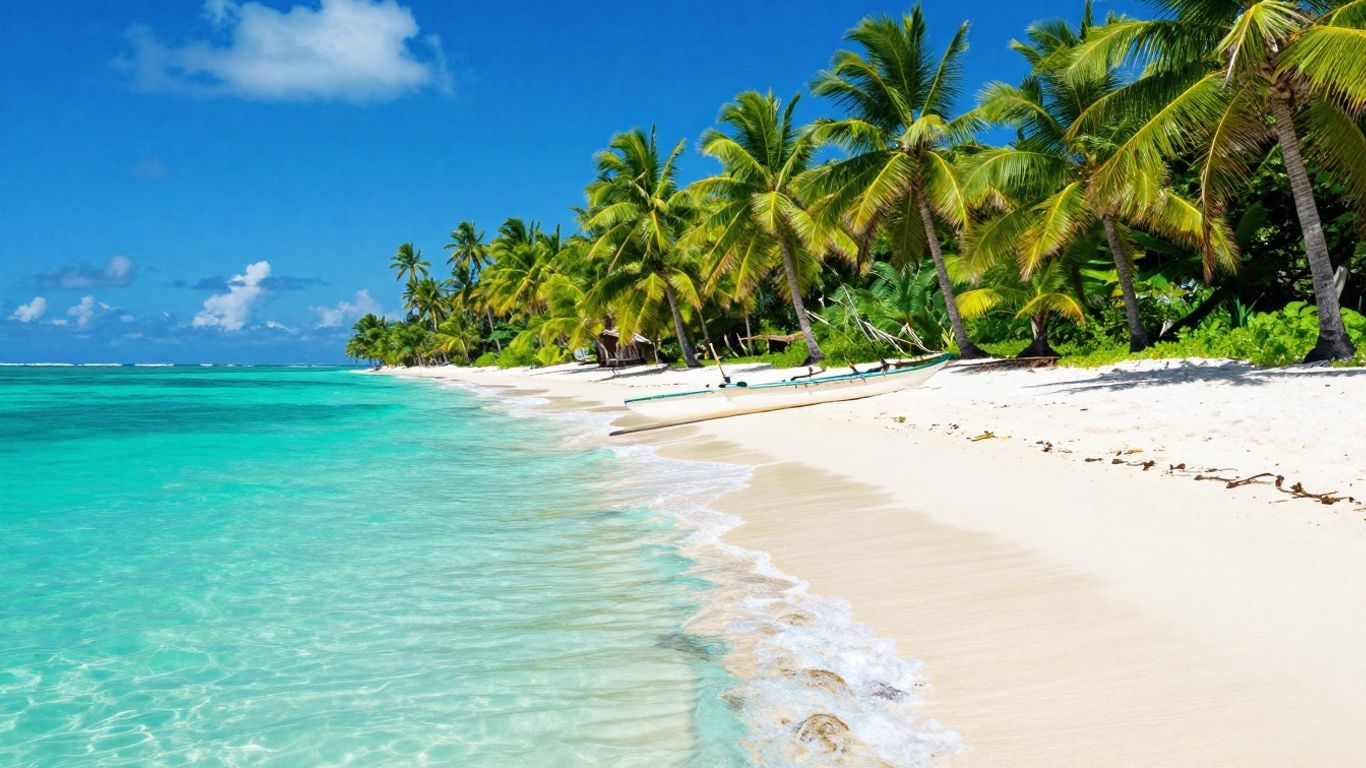
Fiji, a scattering of over 300 islands in the South Pacific, is more than just postcard-perfect beaches and lush green volcanic landscapes. Beneath its turquoise surface lies a world of vibrant color and abundant life, earning it the nickname "The Soft Coral Capital of the World." This title isn’t just for show; it reflects the incredible diversity and sheer brilliance of the underwater scenery that awaits.
The Soft Coral Capital of the World
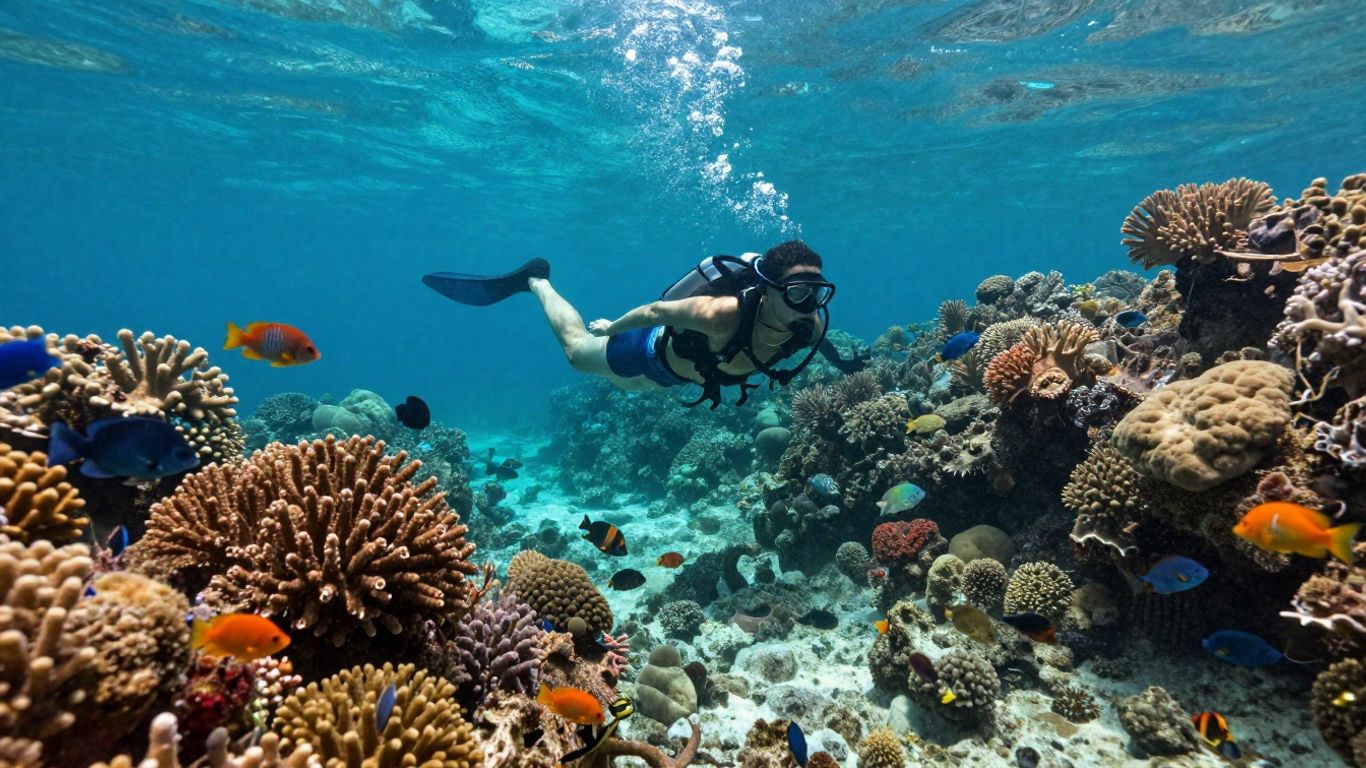
Jacques Cousteau himself recognized Fiji’s unique underwater beauty, bestowing upon it the title "Soft Coral Capital of the World." This isn’t an exaggeration. Imagine diving through gardens of soft corals in every imaginable hue – purples, oranges, yellows, and pinks – swaying gently in the current. These soft corals create a breathtaking backdrop for the countless fish that call these reefs home. Beyond the soft corals, you’ll find healthy hard corals, intricate formations, and a visual feast that truly lives up to the name. It’s a place where the underwater world puts on a spectacular color show.
A Kaleidoscope of Marine Life
Fiji’s waters teem with an astonishing variety of marine creatures. Over 1,500 species of fish have been recorded here, from tiny, colorful reef dwellers to larger pelagic visitors. You can expect to see schools of shimmering fusiliers, curious angelfish, graceful sea turtles, and maybe even a majestic manta ray gliding by. The sheer density and diversity of fish life are remarkable, making every dive a new discovery. It’s a dynamic environment where life flourishes in every nook and cranny.
Diverse Topography for Every Diver
What makes Fiji so appealing to a wide range of underwater explorers is its varied underwater terrain. You’ll find everything from shallow, protected lagoons perfect for beginners to dramatic drop-offs and challenging drift dives for the more experienced. Pinnacles rise from the depths, covered in coral and teeming with life, while fascinating wreck sites offer a glimpse into history now reclaimed by the ocean. This diversity means there’s a site to suit every skill level and interest, ensuring that Fiji and the Cook Islands both offer incredible underwater adventures.
The underwater landscape here is as varied as the islands themselves, offering everything from gentle slopes adorned with anemones to sheer walls that plunge into the blue. This variety ensures that no two dives are quite the same, keeping the sense of wonder alive throughout your trip.
Planning Your Fiji Scuba Diving Adventure
So, you’re thinking about diving in Fiji? Awesome choice! It’s a pretty special place underwater, but like any big trip, a little planning goes a long way. You don’t want to get there and realize you missed out on something cool because you didn’t sort it beforehand. Let’s break down how to get your Fiji dive trip sorted.
Choosing the Right Dive Center
This is a big one. Fiji has tons of dive operators, from big resorts to smaller, more intimate outfits. Think about what you want from your trip. Are you looking for a super relaxed vibe where everything’s handled, or do you want something a bit more adventurous? It’s worth spending some time looking at what each place offers. Check out their websites, see what kind of boats they use, how big their groups usually are, and definitely read recent reviews from other divers. Safety is key, so look for centers that are affiliated with well-known training agencies. Some places might specialize in certain types of diving, like shark encounters or macro photography, so if that’s your jam, find the experts.
Certification Requirements and Options
Most places in Fiji will want you to have at least an Open Water certification to join their regular boat dives. If you’re new to diving, Fiji is actually a fantastic spot to get certified! Many dive shops offer courses, and you can often do the theory part online before you even get there, which saves precious vacation time. For those already certified, think about whether an advanced course might be beneficial. It can open up deeper sites or places with stronger currents, giving you access to even more of Fiji’s underwater beauty. It’s not just about ticking a box; it’s about being prepared for the specific sites you want to explore.
Best Times to Visit for Optimal Diving
Fiji is pretty much a year-round destination, which is great news. However, conditions do change. Generally, the period from May to October is considered the dry season. This is when you’ll often find the best visibility, sometimes stretching out to 30 meters or more. The water is a bit cooler then, but still very comfortable for most people. From November to April, it’s warmer, which sounds nice, but this is also cyclone season. While you might still have amazing weather, there’s a higher chance of storms disrupting dive plans. If you’re aiming for the absolute best conditions with the least chance of weather interruptions, aim for the dry season. If you don’t mind a bit of a gamble for warmer water and fewer crowds, the wet season can still be rewarding.
Planning ahead is your best friend when it comes to Fiji. Booking your accommodation and dive packages in advance, especially if you’re traveling during the peak months of June through September, will save you a lot of hassle and potentially get you better deals. Don’t leave it all to the last minute!
Here’s a quick look at what to consider:
Visibility: Generally best from May to October (up to 30m+).
Water Temperature: Ranges from about 24°C (75°F) in cooler months to 28°C (82°F) in warmer months.
Cyclone Season: November to April, though storms aren’t constant.
Peak Season: June to September, book early!
Off-Season: Can offer fewer crowds and potentially lower prices.
Premier Fiji Dive Destinations
Fiji is packed with incredible underwater spots, seriously, you could spend weeks here and still not see it all. Each area has its own vibe and unique sights. It’s like a treasure map for anyone who loves the ocean.
Beqa Lagoon: Thrills and Sharks
This spot is famous, and for good reason. Located off the southern coast of Viti Levu, Beqa Lagoon is a big hit for its shark encounters. We’re talking about multiple species here, from the smaller reef sharks to the more imposing bull and tiger sharks. It’s a real adrenaline rush, but done in a super controlled and safe way by the dive operators. Beyond the sharks, there are also some cool wrecks and interesting rock formations to explore within the lagoon.
The Rainbow Reef: A Vibrant Spectacle
Up in the northern part of Fiji, the Rainbow Reef lives up to its name. It’s a massive explosion of color, thanks to all the soft corals. Seriously, they call Fiji the "Soft Coral Capital of the World," and this place is a prime example. You’ll see corals in every shade imaginable, with tons of fish darting around them. It’s a photographer’s dream, and just a really beautiful place to be.
Kadavu and the Great Astrolabe Reef
If you’re looking for a more remote experience, head south to Kadavu and the Great Astrolabe Reef. This is one of the biggest barrier reefs on the planet, and it’s pretty much untouched. Think huge drop-offs, walls covered in coral, and a good chance of seeing bigger stuff. Manta rays are often spotted here, and sometimes even whales. It’s a bit more of an adventure to get to, but totally worth it for the pristine conditions.
Vatu-I-Ra Passage: Coral-Clad Pinnacles
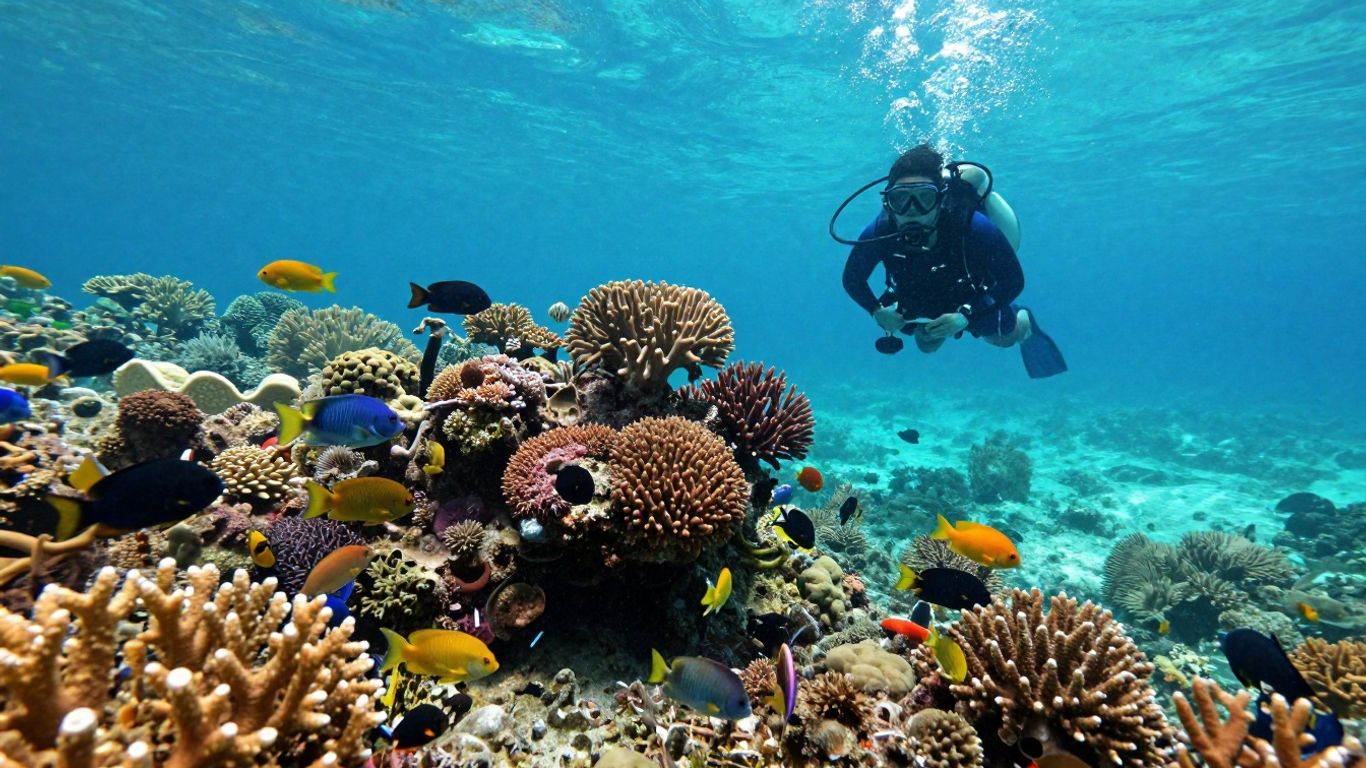
This passage, often called the "Bligh Water" area, is known for its dramatic underwater topography. You’ll find pinnacles that shoot up from the deep, covered in soft corals and swarming with fish. It’s a great place for drift dives, where you can glide along with schools of fish and keep an eye out for pelagics. The currents here can be lively, making for an exciting ride.
Fiji’s dive sites offer a bit of everything. Whether you’re after the thrill of shark encounters, the visual feast of colorful reefs, or the chance to explore dramatic underwater landscapes, you’ll find a spot that calls to you. It’s a place where the underwater world truly shines.
Experiencing Fiji’s Marine Encounters
Fiji’s waters are absolutely bursting with life, and seeing it up close is what makes a trip here so special. You’re not just looking at pretty corals; you’re swimming with creatures big and small, each with its own story.
Majestic Manta Ray Sightings
If you’re lucky, you might get to see manta rays. These gentle giants are truly a sight to behold. They glide through the water with such grace, it’s almost like watching a ballet underwater. The best times to spot them are usually between May and October, especially around areas like the Yasawa and Mamanuca Islands, and Kadavu. They come to these spots to feed and get cleaned, so you’ll often find them congregating.
Encountering Fiji’s Shark Species
Fiji is famous for its shark encounters, and it’s not as scary as it sounds! Many of these are reef sharks, which are generally quite shy. However, there are also opportunities to see larger species like bull sharks and tiger sharks, particularly in places like Beqa Lagoon. This is usually done in a controlled environment with experienced guides, so you can witness these powerful animals safely. It’s a real thrill to see them in their natural habitat.
Abundant Reef Fish and Macro Life
Beyond the big stuff, Fiji’s reefs are packed with smaller wonders. You’ll see schools of colorful fish darting everywhere – think angelfish, butterflyfish, and parrotfish. Keep an eye out for the tiny critters too! Macro photography enthusiasts will have a field day with nudibranchs, shrimp, and crabs hiding in the nooks and crannies. It’s amazing how much detail you can find when you really look closely.
The sheer variety of marine life in Fiji is astounding. From the graceful dance of a manta ray to the quick flash of a tiny reef fish, every moment underwater offers a new discovery. It’s a vibrant ecosystem that truly showcases the beauty of the ocean.
Dive Trip Styles in Fiji
When you’re planning your trip to Fiji, figuring out how you want to spend your time in the water is a big part of the fun. Fiji really has a bit of everything, no matter if you’re looking to be on a boat for a week or just pop out for a few dives from your resort.
Liveaboard Exploration
For the serious underwater enthusiast, a liveaboard trip is the way to go. You’ll spend your days and nights on a boat, waking up in a new, often remote, dive location each morning. This style of travel lets you pack in multiple dives a day, usually three or four, hitting those out-of-the-way spots that day-trippers just can’t reach. It’s a fantastic way to immerse yourself completely in the diving experience, with meals and accommodations all taken care of onboard. Think of it as a floating dive resort, constantly moving to the best reefs and channels.
Maximize your bottom time with multiple daily dives.
Access remote dive sites far from shore.
Experience a strong sense of camaraderie with fellow divers.
Enjoy a hassle-free experience with all logistics handled.
Resort-Based Diving Convenience
If you prefer to have a home base with more amenities and the flexibility to mix diving with other activities, resort-based diving is a great choice. Many resorts, especially those located on or near prime dive areas, have their own dive centers. You can easily arrange daily boat trips to nearby reefs, often just a short ride away. This option is perfect for families or groups with mixed interests, as some members can dive while others relax by the pool, go snorkeling, or explore the island. It offers a good balance between adventure and relaxation.
Tailored Fun Dives
This is all about flexibility. Whether you’re staying at a resort or even on a liveaboard, you can often book "fun dives" that are tailored to your interests and skill level. This means you can choose specific sites you want to visit, focus on particular marine life, or simply enjoy a relaxed dive without the pressure of a training course. Many operators are happy to customize trips, especially for small groups or individuals looking for a specific experience, like a particular shark encounter or a chance to photograph specific critters. It’s your vacation, after all, so why not dive it your way?
Choosing the right trip style really comes down to what kind of vacation you’re looking for. Do you want to live and breathe diving for a week straight, or do you prefer a more relaxed pace with the option to explore other things too? Fiji makes it easy to do either.
Essential Diving Conditions
Understanding Fiji’s underwater environment is key to a great trip. The conditions here are generally fantastic, but knowing what to expect helps you plan your days.
Water Temperature and Visibility
Fiji’s waters are warm year-round, making it comfortable for extended underwater exploration. During the cooler months, from June to September, expect temperatures to hover around the mid-70s Fahrenheit (around 24-25°C), with August being the chilliest. As the wet season approaches, from December to April, the water warms up into the low 80s Fahrenheit (around 27-28°C), with February and March being the warmest. Visibility is usually excellent, especially outside the sheltered lagoons. You can often see over 100 feet (30 meters) during the dry season. Even in the wet season, areas like the Bligh Waters can maintain impressive visibility, typically between 80 to 100 feet (25-30 meters).
Understanding Currents and Tides
Fiji’s vibrant coral formations, particularly the soft corals, often thrive in gentle to moderate currents. These currents are what bring nutrients to the reefs and help create those stunning, swaying gardens. While some sites are known for stronger currents, especially during tidal changes, most dive operators are adept at selecting sites and times that match your experience level. Always listen to your guide; they know the local conditions best and can help you plan your dives to take advantage of or avoid specific currents. Understanding the tidal patterns can also help you anticipate the best times for certain dives, like those with incoming tides that can bring in clearer water.
Seasonal Diving Variations
While you can dive in Fiji any time of year, there are subtle shifts that might influence your trip. The dry season, roughly May through October, is often considered prime time due to lower humidity and excellent visibility. However, the wet season, from November to April, brings warmer waters and can offer incredible marine life encounters, though it also carries the risk of tropical storms. Some divers find that certain pelagic species, like manta rays, have peak seasons in specific areas, so it’s worth checking with local operators about what’s happening when you plan to visit. The "shoulder" seasons, like May or October, can offer a great balance of good weather, clear water, and fewer crowds.
Always check the local weather forecast before and during your trip. While Fiji is generally sunny, tropical weather can change quickly. Being prepared means you can adjust your plans and still have an amazing time exploring beneath the waves.
Ideal Sites for Learning to Dive
Fiji is a fantastic place to start your scuba journey. Many dive spots here are perfect for beginners because they offer calm, clear waters and shallow depths. Think of protected lagoons or sheltered bays where the underwater world is vibrant but not overwhelming. These locations are often rich with colorful fish and easy-to-see coral formations, making your first underwater experiences truly memorable. You won’t be battling strong currents or descending into the abyss; instead, you’ll be gently introduced to the magic of breathing underwater.
Introductory Dive Experiences
If you’re not quite ready for a full certification course, Fiji has options for you too. Many dive centers offer "Discover Scuba Diving" programs. This is basically a supervised first-time experience. You’ll get a quick rundown on how to use the gear and some basic signals. Then, with an instructor right beside you, you’ll take your first breaths underwater in a controlled environment, usually a shallow reef or pool. It’s a low-commitment way to see if scuba diving is for you. You’ll get to witness the amazing marine life firsthand without the pressure of a formal course.
Building Confidence Underwater
Taking that first step into the underwater world can feel a bit strange. The key to building confidence is good instruction and practice in comfortable conditions. Beginner-friendly sites in Fiji are chosen for their gentle nature. You’ll learn skills like clearing your mask and recovering your regulator in shallow, calm water. As you get more comfortable, you’ll gradually explore a bit more. The instructors are there to guide you, making sure you feel safe and relaxed. It’s all about taking it slow, enjoying the sights, and realizing that you can indeed breathe and move around underwater.
Exploring Deeper Walls and Pinnacles
Once you’ve got a few dives under your belt and maybe even your Advanced Open Water certification, Fiji really opens up. You can start checking out those deeper walls and impressive pinnacles that drop off into the blue. Sites like the famous "Great White Wall" on Taveuni, while accessible to many, truly reveal their magic at deeper levels where the soft corals are at their most vibrant. These deeper areas often attract different kinds of marine life too, so keep an eye out for larger pelagics.
Challenging Drift Dives
Fiji’s currents can be a bit of a dance, and for experienced divers, this means some fantastic drift dive opportunities. Places like the Vatu-I-Ra Passage are known for their strong currents, which bring in nutrient-rich waters. This, in turn, fuels incredible coral growth and attracts schools of fish. Drift diving here is like flying over an underwater landscape. It requires good buoyancy control and the ability to work with the current, but the rewards are immense, offering a dynamic and exhilarating way to see the reef.
Specialized Wildlife Encounters
For those seeking something specific, Fiji delivers. Advanced divers often have the chance to participate in specialized dives aimed at encountering particular species. Think about the thrilling shark feeds in Beqa Lagoon, where you can observe multiple species of sharks in their natural environment under strict supervision. Or perhaps you’re interested in finding rare macro critters on a muck dive, or witnessing the majestic migration of larger animals during certain times of the year. These encounters are often best accessed by more experienced divers who can handle the conditions and respect the wildlife.
Advanced diving in Fiji isn’t just about going deeper or faster; it’s about accessing more dynamic environments and seeking out unique marine encounters. It requires a solid foundation in dive skills and a willingness to explore sites that offer a bit more challenge and reward.
Responsible Diving Practices
When we explore Fiji’s amazing underwater world, it’s super important to remember we’re visitors. Our actions can really affect the reefs and the creatures that live there. Being mindful helps keep this place beautiful for everyone, now and in the future.
Respecting Marine Ecosystems
Think of the coral reefs as busy cities for fish and other critters. We need to treat them with care. This means:
Never touch or stand on coral. Even a light touch can damage delicate polyps that take years to grow.
Avoid chasing or startling marine life. Observe from a respectful distance. Let them go about their business without feeling threatened.
Don’t feed the fish. This messes with their natural diet and behavior, and can make them dependent on humans.
Take only pictures, leave only bubbles. This is the golden rule. Don’t collect shells, coral, or anything else from the ocean floor.
Choosing Eco-Conscious Operators
Lots of dive centers in Fiji are really committed to looking after the ocean. When you pick one, look for signs they care about conservation. This might include:
Operators who actively participate in reef clean-ups or marine research.
Centers that train their staff and guests on responsible interaction with the environment.
Businesses that minimize their waste and use sustainable practices.
The health of Fiji’s reefs is directly linked to the choices we make as divers. By being aware and acting thoughtfully, we contribute to the preservation of this incredible natural heritage.
Minimizing Your Underwater Impact
Even just finning around can stir up sediment or bump into things if you’re not careful. Here are some ways to reduce your impact:
Master your buoyancy. This is probably the most important skill for minimizing impact. Good buoyancy control means you hover effortlessly, not sinking onto the reef or kicking up sand.
Be aware of your surroundings. Keep track of your fins and equipment so they don’t accidentally hit anything.
Use reef-safe sunscreen. If you’re going to be in the water before or after a dive, choose sunscreens that don’t contain harmful chemicals like oxybenzone and octinoxate, which can damage coral.
Report any pollution or damage. If you see something concerning, like trash on the reef or damaged coral, let your dive operator know.
Practical Tips for Divers
Getting ready for your Fiji diving trip involves a few key things to make sure everything goes smoothly. It’s not just about packing your swimsuit; there are some specifics that can really make a difference.
What to Pack for Your Dive Trip
When you’re packing, think about what you’ll use most often and what’s easiest to replace if needed.
Mask and Snorkel: While most dive centers have rentals, having your own mask that fits well and a snorkel you like can make your dives much more comfortable. A good fit prevents leaks and fogging.
Dive Computer: If you have one, bring it! It’s your personal dive log and helps you keep track of your depth and no-decompression limits. If you don’t have one, you can rent them, but owning one is great for tracking your progress.
Reef-Safe Sunscreen: Protect yourself from the strong sun, both in and out of the water. Look for sunscreens that don’t harm coral reefs.
Rash Guard or Wetsuit Top: This offers sun protection and a bit of warmth, especially if you plan on doing multiple dives in a day. It also helps prevent minor scrapes.
Swimwear: Obvious, but bring a couple of options so you always have a dry one.
Personal Medications: Any prescriptions or over-the-counter items you might need.
Gear Rental vs. Personal Equipment
Deciding what to rent and what to bring yourself is a common question. Most dive shops in Fiji have good quality rental gear, including BCDs, regulators, and tanks. This is super convenient, especially if you’re flying a long distance and want to save on baggage fees.
However, some items are really personal and worth bringing from home:
Mask: Fit is everything. A rental mask might not seal perfectly for you, leading to leaks.
Snorkel: Similar to the mask, you get used to your own snorkel.
Dive Computer: As mentioned, it’s your personal safety tool.
Fins: If you have a specific type of fin you prefer for comfort or performance, bringing them can be a good idea. However, rental fins are usually perfectly adequate.
Renting the bulk of your gear saves space and weight in your luggage.
Staying Hydrated and Sun Protected
Fiji’s tropical climate means you need to be mindful of hydration and sun exposure, both above and below the water.
Drink Plenty of Water: The heat and humidity can dehydrate you quickly, and dehydration can affect your ability to dive safely. Sip water throughout the day, especially between dives.
Sun Protection: Wear a hat, sunglasses, and a rash guard when you’re on the boat or out of the water. Reapply sunscreen regularly, and remember to use reef-safe options.
Listen to Your Body: If you feel tired or overheated, take a break. It’s better to miss one dive than to push yourself and have a bad experience.
Being prepared with the right gear and taking care of yourself physically will significantly improve your diving experience in Fiji. It allows you to focus more on the incredible underwater sights and less on discomfort.
Your Fijian Underwater Adventure Awaits
So, you’ve read all about the amazing underwater world Fiji has to offer. From the soft corals that give it the "Soft Coral Capital" title to the thrilling shark encounters and the sheer variety of fish, it’s clear this place is special. Whether you’re just starting out with your first certification or you’re a seasoned diver looking for new challenges, Fiji has something for everyone. Remember to plan ahead, pick a good dive center, and always respect the ocean. Getting out there and experiencing it firsthand is the best part. We hope this guide helps you plan an unforgettable trip to the beautiful waters of Fiji. Happy bubbles!
What makes Fiji a great place for diving?
Fiji is called the Soft Coral Capital of the World because it has so many colorful corals and tons of different fish. The water is usually clear, and there are cool underwater landscapes like walls and pinnacles. Plus, you can see big animals like manta rays and sharks!
Do I need a diving certification to dive in Fiji?
Yes, you generally need at least an Open Water Diver certification. This shows you know the basics of diving safely. If you don’t have one, Fiji is a fantastic place to learn, as many dive shops offer courses.
Is Fiji good for new divers?
Absolutely! Fiji has many calm, shallow spots that are perfect for learning to dive or for practicing your skills. Places like Beqa Lagoon and the Mamanuca Islands are great for beginners.
When is the best time to go diving in Fiji?
The best time is usually from May to October, which is Fiji’s dry season. The water is clear, and you have a good chance of seeing manta rays and sharks. However, the warmer months from November to April also offer good diving conditions.
Can I go snorkeling in Fiji too?
Definitely! Fiji has amazing coral reefs that are perfect for snorkeling. You can see lots of colorful fish and corals right near the surface. Some spots are famous for spinner dolphins and even manta rays.
What kind of marine life can I expect to see?
You’ll see a huge variety of sea creatures! Expect to see colorful reef fish, sea turtles, and if you’re lucky, majestic manta rays and several types of sharks, like reef sharks and sometimes even tiger sharks. There’s also lots of tiny, interesting critters for macro photography.
Where are the top diving spots in Fiji?
Some of the most popular places include Beqa Lagoon for shark dives, the Rainbow Reef near Taveuni for soft corals, Kadavu and the Great Astrolabe Reef for its size and marine life, and Vatu-I-Ra Passage for its coral-covered pinnacles.
Do I need to bring my own diving gear?
Most dive centers in Fiji have good quality gear you can rent. It’s a good idea to bring your own mask if you have one that fits you well, as comfort is important. But don’t worry too much about packing heavy gear; rentals are easy to find.
Use this guide for trip ideas, not a current quotation or a guarantee of access, safety, inclusions or availability. Confirm the requirements and conditions for your dates, destination and provider before booking.