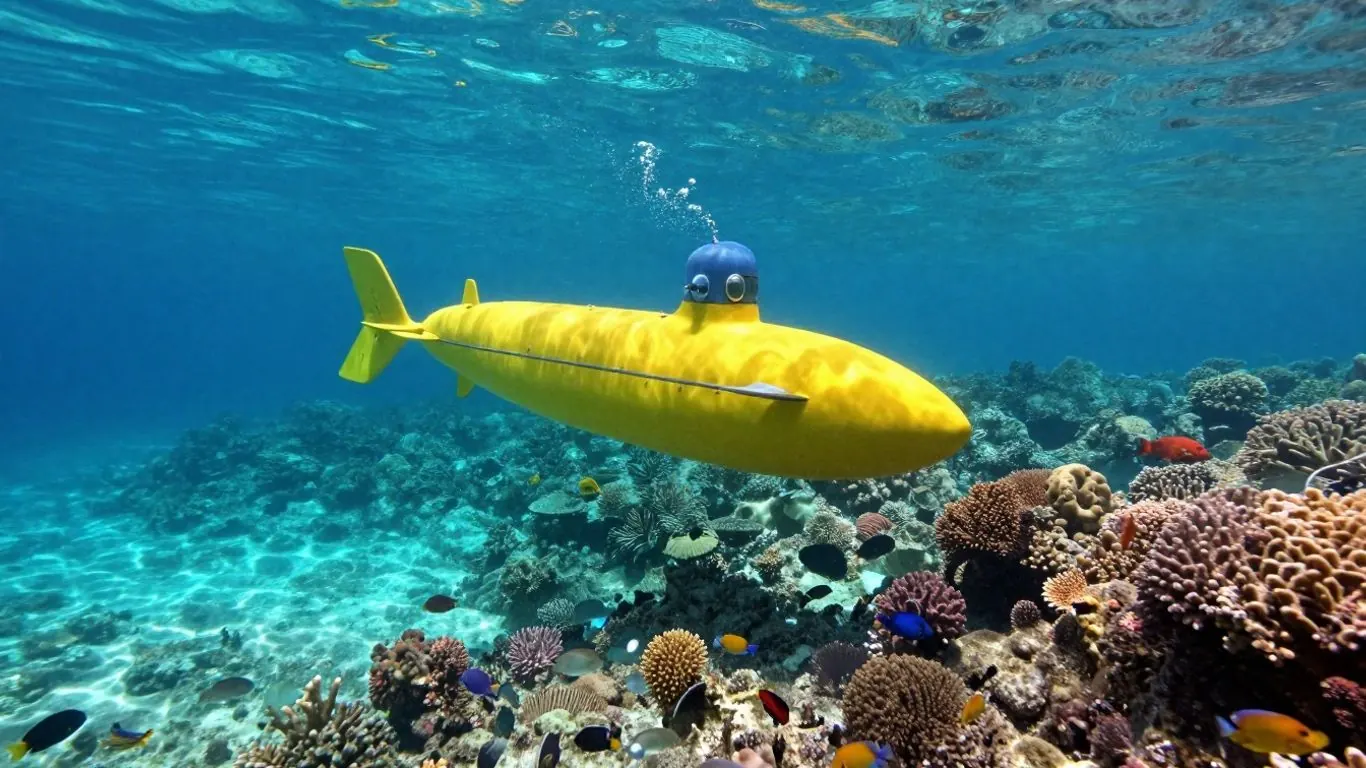
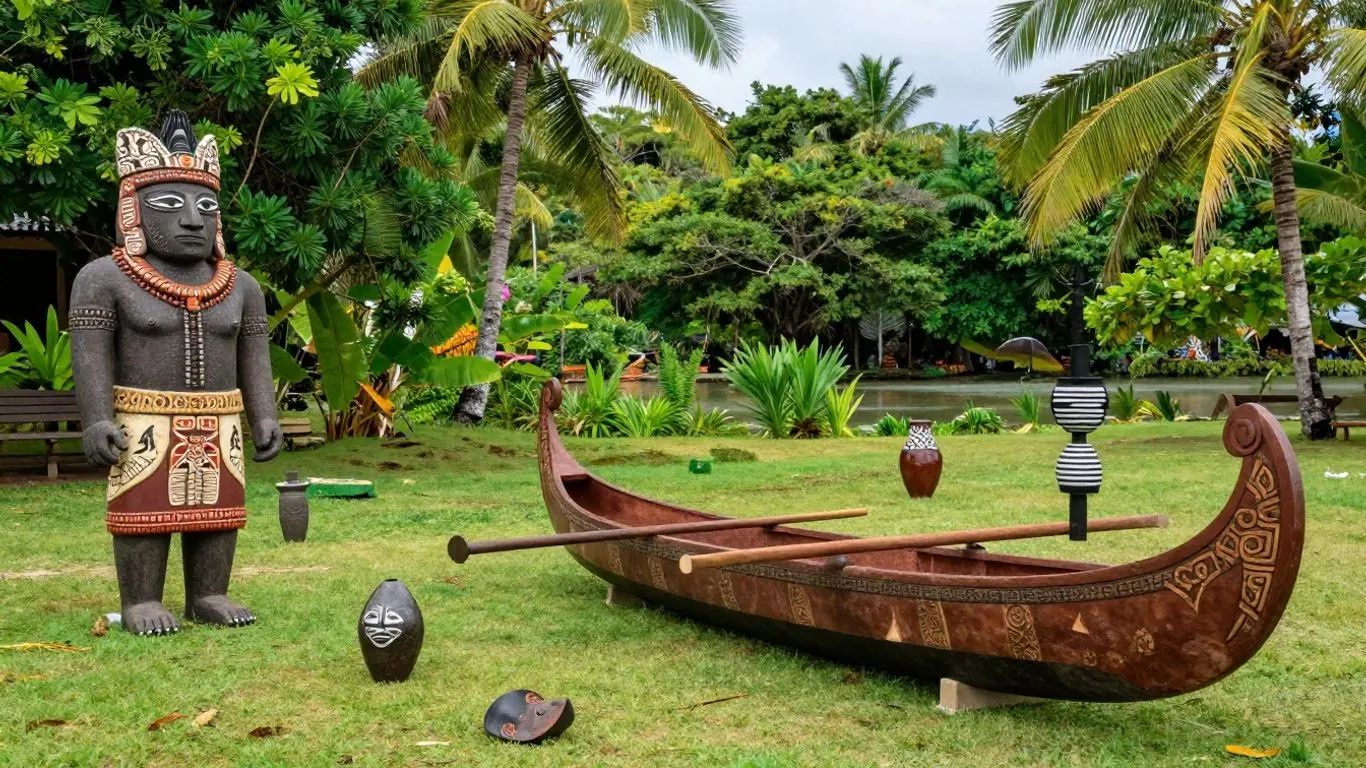
Fiji is a place that really draws you in, not just for its beaches but for what’s happening under the water. It’s like a whole other world down there, full of amazing creatures. If you’re heading to Fiji, you’re in for a treat with all the incredible Fiji marine life you can see. From the big guys like sharks and turtles to the colorful fish darting around, there’s so much to discover. It’s a reminder of how special our oceans are.
Key Takeaways
Fiji’s waters are home to a wide variety of sharks, including reef sharks and larger pelagic species, indicating a healthy marine environment.
Sea turtles, known locally as Vonu’, are a significant part of Fiji’s marine ecosystem, with several species found and conservation efforts underway.
Majestic rays, especially manta rays, are a major draw for visitors, with specific seasons and locations offering the best chances for sightings.
The archipelago is a haven for marine mammals, with frequent sightings of social dolphins and migratory whales.
Fiji’s coral reefs, renowned as the Soft Coral Capital of the World’, support an astonishing diversity of tropical fish and other fascinating sea creatures.
Sharks of Fiji’s Vibrant Reefs
Sharks are a really good sign that Fiji’s marine environment is healthy. Seeing them around the reefs tells us the ecosystem is doing well. It’s not just about the big, dramatic encounters; many smaller reef sharks call these waters home.
Reef Sharks: Guardians of Healthy Ecosystems
These sharks are often the most commonly seen, patrolling the coral gardens. They play a vital role in keeping the reef balanced. Think of them as the cleanup crew and population controllers for smaller fish.
White Tip Reef Sharks: Often spotted resting on the seafloor or cruising along the reef edge.
Grey Reef Sharks: Known for their distinctive hunting behavior and presence in larger groups.
Sicklefin Lemon Sharks: These can sometimes be found in shallower waters.
Encountering Pelagic Giants
These are the ocean’s wanderers, covering vast distances.
Bull Sharks: Can be found in various locations, sometimes in more coastal areas.
Tiger Sharks: These large predators are less common but are present in Fijian waters.
Hammerhead Sharks: Both scalloped and great hammerheads can be seen, often in deeper waters or specific dive sites.
The presence of diverse shark species is a strong indicator of a thriving marine ecosystem, making Fiji a significant location for observing these apex predators in their natural settings.
Shark Diving Opportunities
Many operators focus on responsible viewing, allowing you to witness these animals without disturbing them. Beqa Lagoon, for instance, is famous for its shark feeding experiences, which are carefully managed. It’s a chance to see multiple species at once, a truly memorable experience for any marine enthusiast. If you’re planning a trip, looking into responsible shark encounters is a great idea.
Sea Turtles: Ancient Mariners of Fiji
Fiji’s warm, clear waters are a haven for several species of sea turtles, often referred to as Vonu’ by locals. These ancient mariners have been traversing the Pacific for millions of years, and spotting one gracefully gliding through the coral gardens is a truly special experience. While they might not be as commonly seen as some reef sharks, their presence is a strong indicator of a healthy marine environment.
Diverse Turtle Species in Fijian Waters
Fiji is a nesting ground and feeding area for about five different types of sea turtles. You might encounter the Hawksbill turtle, known for its beautiful shell, or the larger Loggerhead. The Green sea turtle is also a frequent visitor, often seen munching on seagrass. Less common, but still possible to see, are the Pacific Ridley and the massive Leatherback, the largest of all sea turtles. Each species plays a unique role in the marine ecosystem.
Nesting Seasons and Conservation
During this period, females will come ashore onto sandy beaches to lay their eggs. This is a vulnerable time for them, and conservation efforts are in place to protect these nesting sites. It’s important for visitors to be aware of these protected areas and to give nesting turtles plenty of space. The Vonu is deeply respected in Fijian culture, and many local communities are actively involved in protecting these gentle creatures.
Respectful Encounters with Vonu’
Seeing a sea turtle in its natural habitat is a highlight for many visitors to Fiji. However, it’s vital to remember that these are wild animals. Always maintain a respectful distance and never attempt to touch or chase a turtle. Observe them quietly from afar. If you’re lucky enough to see a turtle nesting, do not disturb it. Following these simple guidelines helps ensure the turtles’ safety and allows them to continue their ancient journeys undisturbed. Remember, we are visitors in their home.
Here are some tips for respectful viewing:
Keep your distance – at least 10 meters (30 feet).
Avoid making loud noises or sudden movements.
Never feed or try to touch the turtles.
If a turtle seems stressed, move away slowly.
The health of Fiji’s turtle populations is closely linked to the health of its coral reefs and seagrass beds. Protecting these habitats is key to their survival and continued presence in these waters.
Majestic Rays of the Fijian Archipelago
Beyond the familiar shapes of sharks and turtles, Fiji’s waters are graced by the silent, gliding presence of rays. These cartilaginous fish, related to sharks, are a spectacle in themselves, showcasing a variety of forms and behaviors that add another layer of wonder to the underwater landscape.
The Grandeur of Manta Rays
Manta rays, the largest of all rays, are truly awe-inspiring. With wingspans that can reach several meters, they move through the water with an effortless grace that belies their size. These gentle giants are a highlight for many visitors to Fiji.
Variety of Ray Species
While mantas often steal the spotlight, Fiji is home to a diverse array of other ray species. You might encounter the striking bluespotted ribbontail ray, with its vibrant blue spots and long, ribbon-like tail, or the more robust giant reef ray. Spotted eagle rays, with their distinctive spotted patterns and elongated snouts, are also a common and beautiful sight.
Here are some of the rays you might see:
Manta Rays (including Reef Mantas)
Bluespotted Ribbontail Rays
Bluespotted Stingrays
Giant Reef Rays
Spotted Eagle Rays
Seasonal Sightings in Key Locations
Certain areas in Fiji are known for higher concentrations of rays, especially during specific times of the year. Kadavu and the waters between Vanua Levu and Taveuni can also offer excellent opportunities to see these magnificent creatures. Planning your visit around these seasonal patterns can significantly increase your chances of a memorable encounter.
Observing rays in their natural environment requires a mindful approach. Maintaining a respectful distance and avoiding any actions that could disturb their feeding or resting behaviors is paramount. These creatures are a vital part of Fiji’s marine health, and their well-being should always come first.
Social Dolphins in Their Natural Habitat
Fiji’s warm, clear waters are a playground for several dolphin species. You might be lucky enough to spot pods of spinner dolphins, known for their acrobatic leaps and spins, or the more robust bottlenose dolphins. These intelligent creatures often travel in social groups, and seeing them play and hunt in their natural environment is truly something special. While sightings aren’t guaranteed, heading out on a boat trip, especially in areas known for dolphin activity, significantly increases your chances. Remember, these are wild animals, so observing them from a respectful distance is key to their well-being and your enjoyment.
Migratory Whales and Birthing Grounds
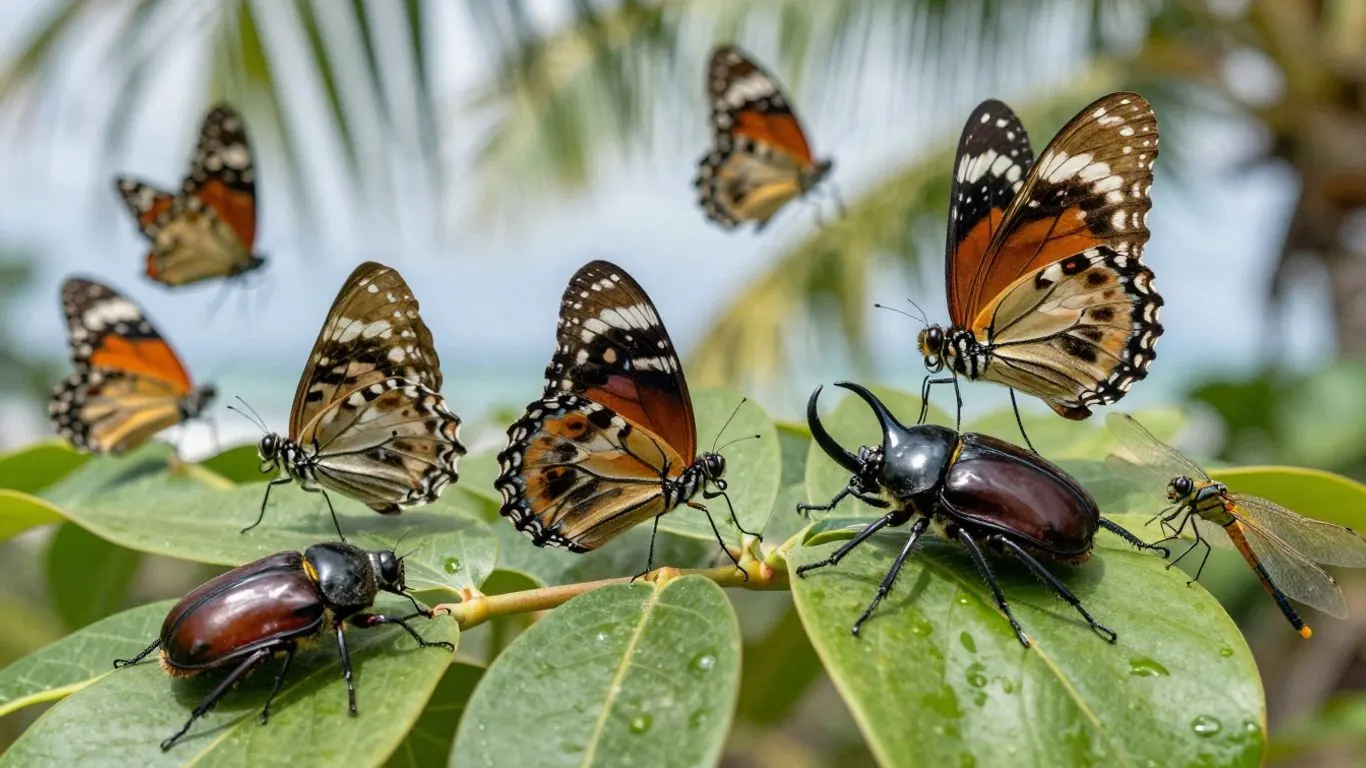
Beyond the dolphins, Fiji also serves as a migratory path and sometimes a birthing ground for larger marine mammals. Humpback whales, for instance, are known to pass through Fijian waters. While they are an endangered species, their presence is a hopeful sign for marine conservation efforts. The timing of these migrations can vary, making each season a potential opportunity for a memorable encounter.
Notable Cetacean Species
While spinner and bottlenose dolphins are frequently encountered, Fiji’s waters are also home to other fascinating cetaceans. Keep an eye out for pilot whales, which often travel in large family groups. Less common, but still possible sightings include species like false killer whales and even sperm whales. The diversity of marine mammals in Fiji, though often elusive, adds another layer of wonder to the underwater world.
Spinner Dolphins
Bottlenose Dolphins
Pilot Whales
Humpback Whales (seasonal)
Observing these magnificent creatures in their ocean home is a privilege. It’s important to remember that these animals are protected in Fiji, and responsible viewing practices help ensure their continued presence for generations to come.
A Kaleidoscope of Tropical Fish
Fiji’s waters are absolutely bursting with fish. Seriously, if you dip a toe in, you’re bound to see something colorful darting around. It’s estimated there are over 1,500 different fish species here, and that’s not even counting all the other sea critters. The coral reefs are like bustling underwater cities, packed with all sorts of characters.
Abundance and Diversity in Coral Reefs
These reefs are the main event for spotting fish. Think schools of shimmering fusiliers, chunky parrotfish munching on coral, and the more intricate patterns of coral trout. It’s a constant show. You’ll see fish in every color imaginable, from bright yellows and blues to vibrant reds and oranges. They weave in and out of the coral formations, creating a living, breathing spectacle. It really makes you appreciate how much life can thrive in one place.
Iconic Reef Dwelling Species
Some fish are just synonymous with Fiji’s reefs. You’ll likely spot angelfish and butterflyfish, with their striking markings, flitting about. Then there are the anemonefish, those little orange and white guys famously living among anemones – you know, like Nemo! Keep an eye out for unicornfish, easily identified by their horn-like protrusions. And don’t forget the moray eels, often peeking out from crevices, looking a bit mysterious.
Pelagic Fish in Open Waters
It’s not just the reefs. This is where you might see larger, faster fish. Think about tuna, like the yellowfin, zipping through the currents. Flying fish are pretty cool too, sometimes seen leaping out of the water. And if you’re into fishing, you might encounter mahimahi or barracuda.
The sheer variety of fish in Fiji is astounding. It’s a testament to the health of the marine environment here. Each species plays a role, from cleaning the reefs to being a food source for others. It’s a complex system that’s truly amazing to witness firsthand.
Here’s a quick look at some common types you might see:
Reef Fish: Parrotfish, Angelfish, Butterflyfish, Clownfish (Anemonefish), Goatfish, Wrasse.
).
Fiji’s Coral Reefs: Underwater Sanctuaries
Fiji is often called the Soft Coral Capital of the World, and honestly, it’s easy to see why. The reefs here aren’t just pretty backdrops; they’re bustling cities teeming with life. Imagine swimming through gardens of vibrant, swaying soft corals in every color imaginable, with hard corals providing the sturdy structures that make it all possible. These underwater sanctuaries are the backbone of Fiji’s marine ecosystem, supporting an incredible diversity of life.
Soft Coral Capital of the World
The sheer abundance and variety of soft corals are what truly set Fiji apart. These delicate organisms create a dynamic and colorful environment that attracts a dazzling array of fish and other marine creatures. From the feathery branches of dendronephthya to the bulbous forms of sarcophyton, the underwater landscape is a constantly shifting masterpiece. It’s a visual feast that makes every exploration feel unique.
Hard Coral Diversity
While soft corals get a lot of the spotlight, the hard corals are just as important. They form the intricate frameworks that provide shelter and food for countless species. You’ll find everything from massive brain corals to delicate staghorn formations, each playing a vital role in the reef’s structure and health. The health of these coral reefs is a direct indicator of the ocean’s well-being.
Coral Reefs as Essential Habitats
These reefs are more than just beautiful; they are critical habitats. They serve as nurseries for juvenile fish, provide hunting grounds for predators, and offer refuge for countless smaller organisms. Without healthy coral reefs, the entire marine food web in Fiji would collapse. It’s a complex, interconnected system where every element matters. Exploring these areas, like those found in the Mamanuca Islands, offers a glimpse into this vibrant world. Explore these wonders.
Here’s a look at some of the inhabitants you might encounter:
Reef Fish: Parrotfish, angelfish, butterflyfish, and anemonefish are common sights, flitting amongst the coral.
Invertebrates: Lobsters, sea stars, and various crustaceans make their homes in the nooks and crannies.
Larger Visitors: Rays and even sharks often patrol the edges of the reef, benefiting from the abundance of prey.
The intricate structures built by corals provide shelter, food, and breeding grounds for an astonishing number of species. This makes them one of the most biodiverse environments on the planet.
Beyond Sharks, Rays, and Turtles
While sharks, rays, and sea turtles often steal the spotlight in Fiji’s incredible marine world, there’s so much more to discover beneath the waves. The archipelago is a treasure trove of fascinating creatures, each playing a unique role in the vibrant underwater ecosystems. It’s like a bustling city down there, with all sorts of characters going about their business.
Seahorses and Eels in Coral Gardens
Keep your eyes peeled in the intricate coral formations, and you might just spot a seahorse. These delicate creatures, masters of camouflage, often cling to seagrass or coral with their prehensile tails. They’re shy, so a gentle approach is key. Then there are the eels, from the garden eels that pop their heads out of the sand like a prairie dog convention, to the more imposing moray eels lurking in reef crevices. Their sinuous movements add a dynamic element to the reef’s landscape.
Giant Clams and Other Invertebrates
Fiji’s waters are home to some truly impressive invertebrates. Giant clams, for instance, can grow to be enormous, their colorful mantles a striking sight against the reef. You’ll also find a dazzling array of other shelled creatures, colorful sea stars scattered across the seafloor, and busy crabs scuttling along. These often-overlooked animals are the unsung heroes of the reef, contributing to its health and complexity. Their presence is a good indicator of a healthy marine environment.
Sea Snakes and Unique Aquatic Life
While they might seem intimidating, sea snakes are generally not aggressive towards humans. These reptiles are well-adapted to marine life, with flattened tails for swimming. You might see them gliding through the water or resting near the reef. Beyond them, Fiji’s waters host a multitude of other unique life forms, from the bizarre frogfish that can camouflage themselves to look like sponges, to the vibrant nudibranchs, which are essentially colorful sea slugs. Exploring these smaller wonders can be just as rewarding as spotting the larger marine animals. You can find out more about the diverse marine life in Fiji’s vibrant underwater world.
The sheer variety of life in Fiji’s oceans is astounding. It’s a reminder that even the smallest creatures have a significant part to play in the grand tapestry of the marine ecosystem. Observing these details offers a deeper appreciation for the interconnectedness of it all.
Understanding Fiji’s Marine Ecosystem
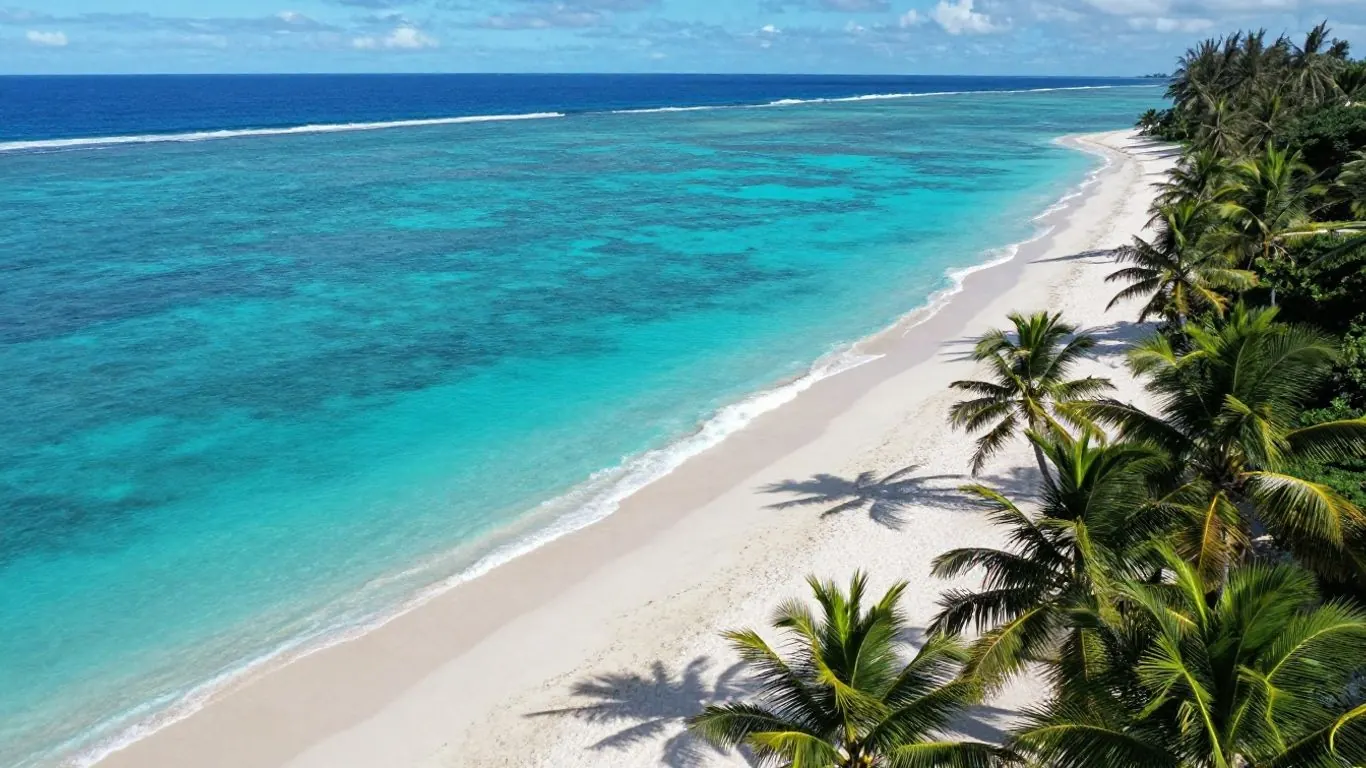
Fiji’s waters are a treasure trove of marine life, far beyond just the headline sharks, rays, and turtles. It’s a complex, interconnected world that makes this archipelago a truly special place for ocean lovers. Think of it as a bustling underwater city where every creature plays a part.
The Importance of Fiji Marine Life
Fiji is often called the Soft Coral Capital of the World,’ and that’s a big deal. These vibrant corals form the foundation for an incredible diversity of life. Without healthy reefs, the fish, invertebrates, and larger animals wouldn’t have a place to live, feed, or reproduce. It’s a delicate balance, and what happens in one part of the ecosystem can affect everything else. The sheer abundance and variety of species here are a strong indicator of the ocean’s health.
Here’s a glimpse at just how diverse it is:
Fish: Over 1,500 different fish species call Fiji home, from tiny, colorful reef dwellers to large pelagic hunters. You’ll see everything from clownfish darting among anemones to schools of fusiliers and impressive parrotfish.
Invertebrates: Don’t forget the smaller wonders! This includes a huge variety of crustaceans like lobsters and crabs, colorful starfish, sea cucumbers, and the impressive giant clams, some of which are native to Fiji.
Marine Mammals: While sightings can be a matter of luck, Fiji’s waters are visited by various whales and dolphins. Pods of spinner and bottlenose dolphins are often seen, and migratory species like humpback whales pass through.
The health of Fiji’s coral reefs is directly linked to the health of its entire marine ecosystem. Protecting these underwater cities is key to preserving the incredible biodiversity found here.
Conservation Efforts for Marine Biodiversity
Recognizing the immense value of their marine environment, Fiji has made significant strides in conservation. Many areas are designated as marine protected areas, allowing ecosystems to recover and thrive. Local communities are often involved, understanding that their livelihoods depend on a healthy ocean. Initiatives focus on protecting nesting sites for turtles, managing fishing practices, and reducing pollution.
Responsible Tourism and Wildlife Viewing
When you visit Fiji, you become a part of this ecosystem. It’s important to be a mindful visitor. This means:
Respecting Wildlife: Always keep a safe distance from marine animals, especially sharks and turtles. Never touch or feed them. Remember, you are a guest in their home.
Protecting Corals: Avoid touching or standing on coral reefs. They are fragile and easily damaged. Use reef-safe sunscreen to minimize chemical impact.
Supporting Sustainable Practices: Choose tour operators who prioritize responsible wildlife viewing and conservation. Look for businesses that educate visitors about the local marine environment and adhere to best practices. If you’re interested in seeing Fiji’s marine life, consider exploring options similar to those found in the Cook Islands.
By being a responsible tourist, you help ensure that Fiji’s incredible marine life can be enjoyed by generations to come.
A World Beneath the Waves
So, as we wrap up our look at Fiji’s amazing underwater residents, it’s clear that this island nation is so much more than just beautiful beaches. From the sleek shapes of sharks cruising the reefs to the gentle giants like sea turtles and rays, the ocean here is truly alive. It’s a reminder of how interconnected everything is and why looking after these waters matters. Whether you’re lucky enough to visit or just dreaming about it, the marine life of Fiji offers a spectacular glimpse into a healthy, vibrant ocean. It’s a place that really makes you appreciate the wild beauty that still exists in our world.
What kinds of sharks can I see in Fiji?
Fiji’s waters are home to many types of sharks, which are a good sign of a healthy ocean! You’ll often see smaller reef sharks like the White Tip and Grey Reef Shark. If you’re lucky, you might also spot bigger ones like Bull Sharks, Tiger Sharks, and even Hammerhead Sharks in certain areas.
Are sea turtles common in Fiji, and when can I see them?
Yes, Fiji is a great place to see sea turtles, called Vonu’ in Fijian. There are about five different kinds, including Hawksbill and Green turtles. Remember to always watch them from a distance to protect these gentle creatures.
What are manta rays like in Fiji?
Manta rays are huge and amazing to see! Fiji is one of the best places in the world to find them, especially in areas like the Yasawa Islands. They are often seen during certain times of the year, so it’s good to check when they are most active if you want to swim or dive with them.
Can I see whales and dolphins in Fiji?
Absolutely! Fiji’s waters are visited by many kinds of dolphins and whales. Dolphins are very social and sometimes swim alongside boats or swimmers, which is an incredible experience. Humpback whales can also be seen, especially in certain regions, and sometimes they give birth in the calmer waters near the islands.
What makes Fiji’s coral reefs so special?
Fiji is known as the Soft Coral Capital of the World’! This means the reefs are incredibly colorful and full of life. There are hundreds of different types of corals, creating amazing homes for thousands of fish species. It’s like an underwater city, perfect for exploring.
Besides sharks, rays, and turtles, what other marine life can I find?
You’ll see an amazing variety of sea life! Look out for colorful tropical fish like parrotfish and angelfish darting through the corals. You might also spot eels hiding in rocks, giant clams on the seafloor, and even tiny seahorses. The reefs are full of surprises!
Are there any dangerous animals I should be aware of in Fiji?
While Fiji’s wildlife is beautiful, it’s good to be aware. Most animals are harmless, but in the water, you should be careful of things like box jellyfish or stonefish, which can sting. It’s always best to listen to local guides and avoid touching any marine life.
How can I be a responsible tourist when viewing wildlife in Fiji?
Being a responsible tourist means respecting the animals and their homes. Always keep a safe distance, never feed the wildlife, and avoid touching or disturbing corals or sea creatures. Choose tour operators who follow eco-friendly practices. Your actions help protect Fiji’s amazing natural treasures for the future.
Confirm current details
Wildlife encounters are never guaranteed. Ask the operator which species are seen at that site in your travel month and how the tour keeps a respectful distance from the animals.