Thinking about a vacation that does more than just relax you? Imagine spending your time helping out our oceans and the creatures in them. You can actually join conservation efforts around the world, getting your hands dirty (or wet!) for a good cause. Whether you’re keen on Fiji marine conservation or helping sea turtles somewhere else, there are many ways to get involved. These trips aren’t just holidays; they’re chances to learn, contribute, and connect with nature in a meaningful way.
Key Takeaways
You can actively participate in marine conservation projects, like coral reef restoration and sea turtle protection.
Many programs welcome beginners, offering training in skills like scuba diving or data collection.
Volunteering helps protect biodiversity, manage invasive species, and clean up coastal areas.
These experiences offer hands-on research opportunities alongside marine biologists.
Joining these initiatives connects you with a global community passionate about ocean health.
Engage in Fiji Marine Conservation Efforts
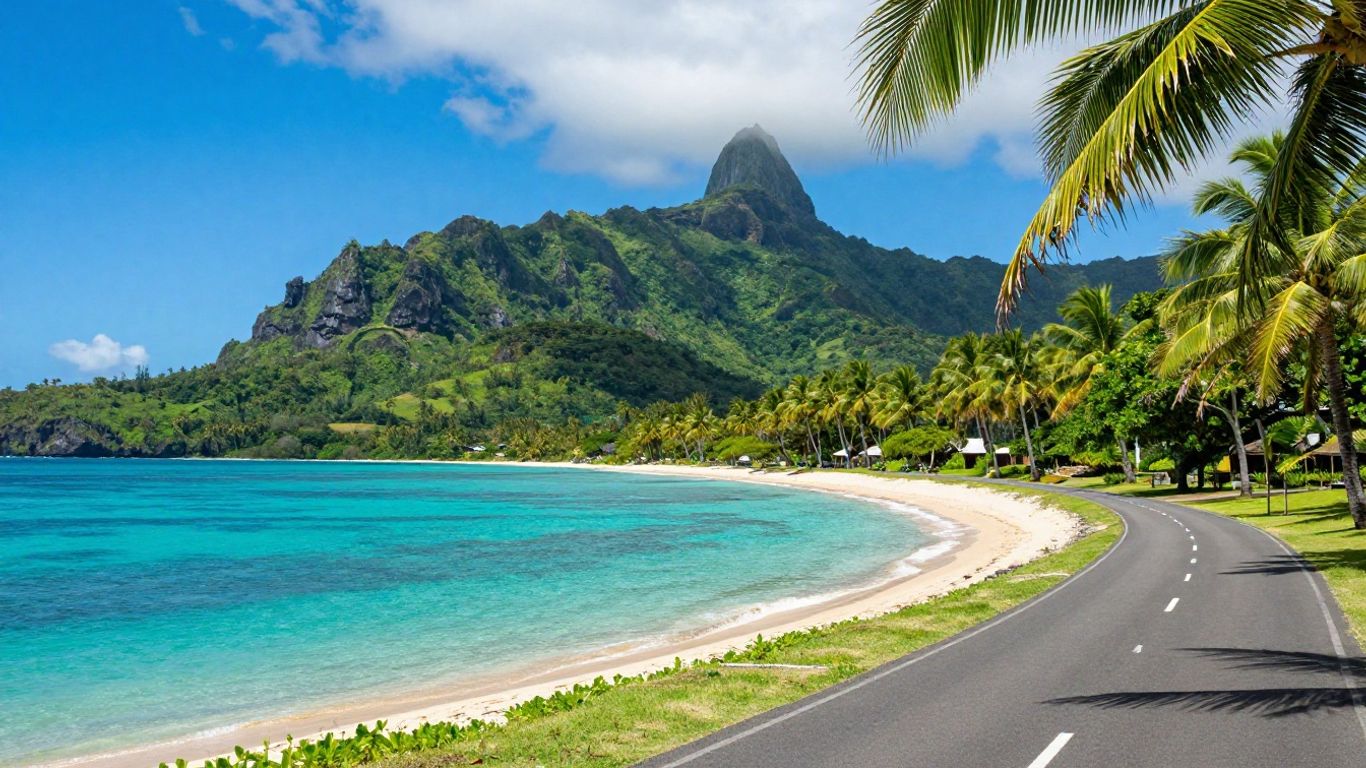
Fiji, a nation celebrated for its stunning coral reefs and vibrant marine life, offers incredible opportunities for travelers wanting to contribute to ocean health. If you’re looking for a trip that combines adventure with a purpose, getting involved in Fiji’s marine conservation efforts is a fantastic choice. These programs allow you to work directly on protecting the very ecosystems that make Fiji so special.
Dive into Coral Reef Restoration
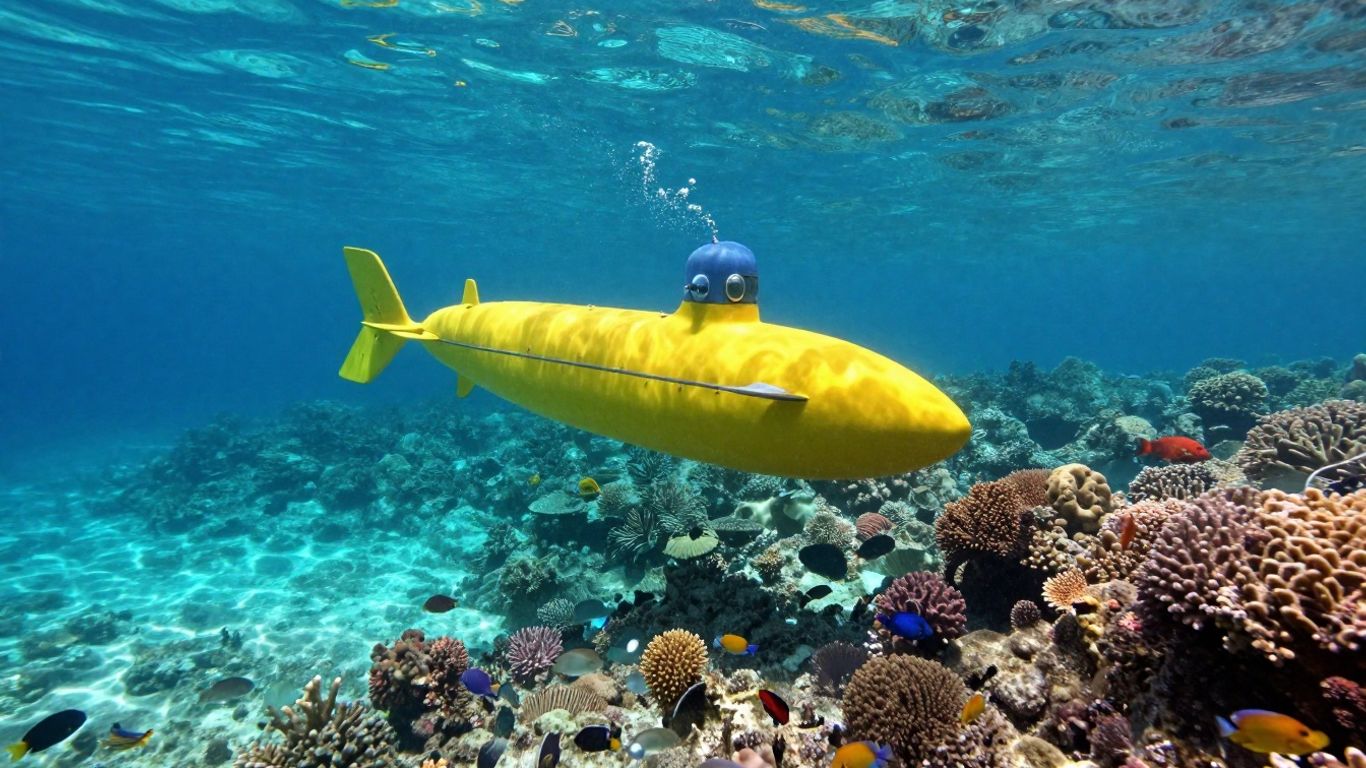
Coral reefs are the rainforests of the sea, but they’re facing serious threats from climate change and pollution. In Fiji, you can join projects focused on restoring these vital underwater cities. This often involves hands-on work like growing coral fragments in nurseries and then transplanting them back onto damaged reef areas. It’s a chance to see firsthand how dedicated effort can help these delicate ecosystems bounce back. You’ll learn about different coral species and the techniques used to help them thrive.
Support Sea Turtle Protection Initiatives
Fiji is a nesting ground for several species of sea turtles, including the endangered Hawksbill. Conservation programs here work to protect these ancient mariners. Your involvement could mean helping to patrol nesting beaches, safeguarding nests from predators, and assisting with the safe release of hatchlings into the ocean. It’s a moving experience to contribute to the survival of these gentle creatures, ensuring they have a chance to complete their life cycle.
Contribute to Coastal Ecosystem Health
Beyond the reefs and turtles, Fiji’s coastal areas, including its mangroves and seagrass beds, are crucial for a healthy ocean. These habitats act as nurseries for fish, protect shorelines from erosion, and absorb carbon. Volunteer work in this area might involve mangrove planting, cleaning up coastal debris, or helping to monitor the health of these important zones. Every action taken helps build a more resilient coastal environment for both wildlife and local communities.
Participating in these initiatives provides a unique perspective on marine conservation. You’ll gain practical skills, contribute meaningfully to protecting Fiji’s natural heritage, and leave with a deeper appreciation for the ocean’s complexity and importance.
Participate in Marine Biodiversity Surveys
Getting involved in marine biodiversity surveys lets you become part of real conservation efforts. Regular people, not just scientists, can help track the health of the ocean by recording what lives there and what’s changing. These surveys are not just about counting fish—they drive decisions about protected areas, wildlife management, and restoration projects.
Conduct Fish and Invertebrate Identification
Accurately identifying fish and invertebrates is the backbone of marine biodiversity surveys. Volunteers get simple training to spot and record local species. You might:
Use underwater slates or photography to log species during a guided snorkel or scuba session
Learn to recognize key fish, crabs, sea stars, and soft/hard corals
Work alongside marine biologists and other volunteers to double-check tricky species
It’s surprising how quickly you start recognizing the regulars on a reef. Data is compared from month to month and shared with local and international research groups.
Monitor Marine Mammal Populations
Tracking dolphins, whales, or manatees gives a window into how healthy the ocean is. Most surveys are carried out from boats or the shore, and here are some ways you might help:
Record sightings and behaviors over set time frames
Listen for calls using simple hydrophones, when possible
Note physical changes, like new scars or distinguishing marks
Document Coral Health and Diversity
The condition and variety of coral is a marker for ocean health. Coral surveys need eyes underwater. Here’s what’s tested and recorded:
Color (for bleaching or disease)
Structural damage from storms or humans
Number of species and how much space they take up
The small changes you observe each day can become the proof scientists need for large conservation decisions—your attention can make a lasting difference.
Each participant’s data fills in the big picture, exposing changes across months and years. It can be demanding work, but it’s one of the best ways to actually see—directly—how the ocean is changing and what still needs protection.
Assist with Invasive Species Management
Invasive species can really mess with local ecosystems. They’re not supposed to be there, and they often outcompete native plants and animals for food and space. It’s a big problem in many marine environments, and that’s where you can step in and help.
Learn Lionfish Removal Techniques
Lionfish are a prime example of an invasive species causing trouble, especially in the Caribbean. They’re not native and have no natural predators there, so their populations can explode. They eat a lot of other fish, including some that are important for keeping coral reefs healthy. Volunteers can learn how to safely remove lionfish, often through spearfishing. The fish caught are then used for food or their spines can be turned into jewelry, making the removal process beneficial in multiple ways.
Contribute to Native Species Recovery
By helping to manage invasive species like the lionfish, you’re directly helping native marine life. Less competition means native fish and invertebrates have a better chance to thrive. This work is vital for restoring the natural balance of the ecosystem. It’s about giving the local species a fighting chance to recover and flourish.
Understand Ecological Balance Restoration
Managing invasive species isn’t just about removing a few fish; it’s about understanding the bigger picture. It’s about how these actions contribute to the overall health and stability of the marine environment. You’ll get to see firsthand how removing a disruptive element can help bring an ecosystem back into balance, supporting biodiversity and the natural functioning of the ocean.
Contribute to Ocean Health and Cleanup

Our oceans are in trouble, and you can be part of the solution. Many marine conservation projects focus on cleaning up the mess we’ve made and preventing more pollution from entering the water. It’s a hands-on way to make a real difference.
Engage in Beach and Underwater Cleanups
Imagine walking along a beautiful beach, but instead of just relaxing, you’re actively removing trash that could harm wildlife. That’s what these cleanup efforts are all about. Volunteers often work in teams to collect litter from shorelines and even go underwater to clear debris from reefs and the seafloor. It’s a direct way to improve coastal and marine environments.
Remove harmful plastics and other debris from beaches and ocean floors.
Help protect marine animals from ingesting or getting entangled in trash.
Contribute to the aesthetic beauty and health of coastal areas.
Reduce Plastic Pollution Impact
Plastic is a huge problem for our oceans. It breaks down into smaller pieces, called microplastics, which can be eaten by fish and other marine life, eventually making their way up the food chain. Projects focused on reducing plastic pollution might involve collecting data on the types of plastic found, participating in awareness campaigns, or even helping with initiatives that aim to stop plastic from reaching the ocean in the first place.
The sheer volume of plastic entering our oceans each year is staggering. By participating in cleanup efforts and supporting initiatives that reduce plastic use, you’re directly combating a major threat to marine ecosystems.
Promote Sustainable Coastal Practices
Beyond just cleaning up, many programs aim to educate and promote better habits. This can involve working with local communities to encourage responsible waste management, supporting businesses that adopt eco-friendly practices, or helping to restore natural coastal habitats like mangroves, which act as natural filters and protect shorelines. It’s about creating long-term change for healthier oceans.
Gain Hands-On Marine Research Experience
If you’re looking to make a direct connection between your travel and the ocean’s future, consider a hands-on marine research experience. These programs offer tourists and volunteers the chance to participate in real scientific work alongside experienced marine biologists —no white lab coat or years of training needed. You might be collecting data, using citizen science techniques, or learning the basics of environmental surveys. Here’s how you can get involved:
Collect Data Alongside Marine Biologists
Working side-by-side with marine science teams is not just a dream for scientists. Many research stations and conservation projects invite guests to:
Record water clarity and temperature at various sites
Observe and track fish and other marine animals
Map habitats like coral reefs, mangroves, or seagrass beds
You’ll often get a short training session before heading out, ensuring you know exactly what to watch out for or how to record accurate info. It isn’t just grunt work—your findings feed into real databases that help researchers monitor changes in local marine environments.
Utilize Citizen Science Methodologies
Citizen science is a growing field where non-scientists help gather big-picture data through easy-to-learn methods. As a visiting volunteer, here’s what you might get to do:
Snap photos of specific species for identification apps
Join scheduled snorkel or beach survey walks to look for plastic or wildlife
Enter field observations into global networks like iNaturalist or Reef Check
Some programs even teach you how your data links worldwide, helping you see the bigger story of how marine health is tracked and why certain findings really matter.
Understand Research for Conservation Impact
Ever wondered what all that data actually leads to? With hands-on marine research programs, you’ll get a peek behind the curtain:
See how local projects contribute to regional or national policies
Learn how research informs management decisions, from fishery rules to protected areas
Understand common obstacles scientists face in the field — and how volunteers help fill the gaps
Getting involved in real research is both humbling and energizing. Even a short stint can change the way you see the ocean and your own role in protecting it.
It’s all about being part of something bigger, whether you’re a newbie looking to spend a vacation differently or a science hobbyist eager to roll up your sleeves for marine conservation.
Join Non-Profit Conservation Expeditions
Ready to make your vacation time truly count? Joining a non-profit conservation expedition means you’re not just traveling; you’re actively contributing to the planet’s well-being. These trips are designed to bring people together for hands-on work, often involving citizen science and direct conservation efforts. Think of it as a working holiday where you learn new skills, meet people from all over, and see conservation in action. Many organizations focus on creating protected areas or helping vulnerable species, and your participation directly supports these goals. It’s a chance to be part of something bigger, working alongside dedicated teams to protect nature.
Experience Conservation Travel in Action
Conservation travel is more than just visiting a place; it’s about engaging with it responsibly. Programs often take you to remote and beautiful locations where you can witness firsthand the challenges facing wildlife and ecosystems. You might find yourself helping to monitor animal populations, restore habitats, or assist with research projects. The focus is always on ethical engagement, meaning wildlife is observed and interacted with in ways that cause no harm. This approach allows for genuine connection with nature while contributing to its preservation. It’s an opportunity to learn about local conservation challenges and support solutions that make a real difference.
Support Locally-Led Conservation Projects
Many effective conservation efforts are driven by the communities living closest to the wildlife and natural resources. When you volunteer with locally-led projects, you’re directly supporting these initiatives and the people who are most invested in their success. This often means working in partnership with local organizations, respecting local knowledge, and contributing to projects that have long-term community benefits. Your involvement can help provide resources, manpower, and global awareness for efforts that might otherwise struggle for support. It’s a way to ensure that conservation work is sustainable and culturally appropriate, making a more lasting impact.
Here’s a look at how some programs structure their volunteer time:
Choosing a conservation volunteering program means committing to a cause. It requires an open mind, a willingness to learn, and a genuine desire to help. The rewards, however, are immense: the satisfaction of contributing to a healthier planet, the personal growth that comes from stepping outside your comfort zone, and the connections you build with people and nature.
Beginner Dive Training for Conservation
Ever thought about learning to scuba dive but wanted a reason that felt, well, important? This is it. Many conservation projects welcome folks with zero diving experience. They actually offer training right there, on-site. You can get your Open Water Diver certification, which is like your entry ticket to the underwater world, before you even start helping out. It’s a pretty cool way to learn a new skill while doing something good for the ocean. You’ll learn the basics, like how to breathe underwater and move around safely, all while being supervised by instructors who know their stuff. It’s not just about getting a card; it’s about preparing yourself to actively participate in marine research and cleanup efforts.
Advanced Certifications for Marine Research
If you’ve already got your basic diving certification, there’s a whole next level you can aim for. Programs often provide opportunities to earn more advanced certifications. Think about things like Rescue Diver, Divemaster, or even specialized courses in marine ecology or fish identification. These aren’t just for bragging rights; they equip you with the skills needed for more complex research tasks. You might find yourself assisting marine biologists with detailed surveys, learning how to manage dive operations, or becoming proficient in identifying specific species. It’s about building on your existing skills to contribute more significantly to scientific data collection.
Dive for Data Collection and Surveys
Once you’re certified, whether you’re a beginner or have advanced training, the real work begins. This is where your diving skills directly support conservation goals. You’ll be part of teams collecting important information about the ocean. This could involve anything from monitoring coral health and documenting its changes over time to conducting fish and invertebrate surveys. You might also help with invasive species removal, like the lionfish, or assist in population studies for creatures like sea turtles or queen conch. Your dives become active contributions to understanding and protecting marine life. It’s a hands-on way to see the impact of conservation work firsthand and to gather data that scientists use to make informed decisions about protecting our oceans.
Volunteer on Remote Caribbean Islands
Imagine stepping onto an island where the rhythm of the waves dictates the day. In the Caribbean, many islands are working hard to protect their unique coastlines and the life within them. You could find yourself helping to preserve vital mangrove forests, which act as nurseries for countless marine species and protect shorelines from erosion. Programs here often involve working directly with local teams to monitor and restore these important habitats. It’s a chance to see firsthand how these coastal areas support everything from tiny fish to larger sea creatures.
Discover the Adriatic Sea’s Biodiversity
The Adriatic Sea, with its clear waters and varied coastline, is home to a surprising amount of life. Projects here might focus on understanding and protecting species that are unique to this region. You could be involved in surveys that track the health of fish populations or help monitor areas important for marine mammals. The work often takes place along stunning coastlines, offering a chance to connect with nature in a less tropical, but equally beautiful, setting. This is a great opportunity to contribute to the conservation of a diverse and often overlooked marine environment.
Experience Southeast Asian Marine Life
Southeast Asia boasts some of the planet’s most vibrant marine ecosystems, from the coral-rich waters of places like the Philippines to the mangrove-lined coasts of other nations. Volunteering here can mean getting involved in mangrove rehabilitation projects, which are critical for supporting fish nurseries and birdlife. You might also participate in efforts to protect sea turtle nesting sites or help clean up beaches that are vital for local wildlife. The scale of conservation needed is significant, and your contribution can make a real difference to these fragile environments.
Here’s a glimpse of what you might do:
Assist in planting mangrove saplings to restore coastal defenses.
Help monitor sea turtle nests and protect hatchlings.
Participate in cleanups to remove plastic and debris from beaches and shallow waters.
Collect data on local fish species to understand population health.
Working in these coastal and island ecosystems provides a direct connection to the challenges facing our oceans. It’s a hands-on way to learn about the interconnectedness of land and sea, and how human actions impact these delicate environments. The experience is often as much about personal growth as it is about conservation.
Support Marine Species Protection
Marine species need our help more than ever. Participating in programs that work to protect at-risk marine life isn’t just rewarding—you become part of the solution, right in the field. Whether it’s getting up close with gentle ocean giants or helping keep vital shellfish populations stable, you’ll find plenty of ways to make a real difference for marine wildlife.
Aid in Dugong and Whale Shark Research
If you’re ready for hands-on work, join teams tracking elusive sea animals like dugongs and whale sharks. By helping out, you’ll:
Record sightings and observe unique behaviors
Use basic GPS tools to log migratory patterns
Help run awareness sessions for locals and travelers
Your observations help scientists protect these rare creatures from threats such as entanglement and illegal hunting.
Watching a whale shark glide by, knowing you’re working to keep its home safe, is something you’ll never forget—and it keeps you coming back for more.
Protect Queen Conch and Lobster Populations
Shellfish may not be glamorous, but their survival matters for whole marine ecosystems and local fishing communities. Here’s how you can lend a hand:
Collect data on population sizes to guide sustainable harvesting
Help monitor nursery grounds
Work with community fishers to improve conservation practices
Below is a sample of species status:
Contribute to Endangered Species Recovery
Every action counts when it comes to rebuilding marine wildlife numbers. Volunteers support efforts including:
Helping tag and release young marine species back into wild habitats
Restoring crucial breeding grounds like seagrass beds and rocky outcrops
Educating communities on the small changes that can lead to long-term survival
You might not see instant results, but every day spent supporting marine species protection shapes a better future for the ocean.
Connect with Like-Minded Volunteers
It’s pretty amazing how working together on something important can bring people together. When you join a conservation project, you’re not just showing up to do a job; you’re joining a group of individuals who care deeply about the planet. These are people from all walks of life, different countries, and various backgrounds, but they all share a common goal: to make a positive difference. You’ll find yourself chatting with folks you might never have met otherwise, sharing stories, and learning from each other’s experiences. It’s a chance to build connections that go beyond just the project itself.
Build Lifelong Friendships Through Shared Purpose
Think about it – you’re out there, maybe on a remote island or in a wild landscape, working side-by-side on challenging tasks. You’re facing the elements, celebrating small victories, and maybe even dealing with a few setbacks together. This kind of shared experience really bonds people. You learn to rely on each other, support each other, and celebrate successes as a team. These aren’t just casual acquaintances; these are the friendships that can last a lifetime, forged in the shared effort of protecting our natural world. It’s a unique way to meet people who truly get your passion.
Contribute to a Healthier Planet Together
Ultimately, the reason we all come together is for the planet. Every bit of data collected, every piece of plastic removed, every habitat restored – it all adds up. Being part of these projects means you’re actively contributing to real, tangible conservation efforts. You’re not just a tourist observing; you’re a participant making a difference. This collective action, driven by a shared commitment, is what leads to lasting change. It’s a powerful feeling to know that your time and effort are directly helping to protect ecosystems and species for future generations.
The impact of these collaborative efforts is significant. By pooling resources, knowledge, and energy, conservation communities can achieve outcomes that would be impossible for individuals working alone. This shared purpose creates a ripple effect, inspiring further action and awareness.
Here’s a look at what you might be doing:
Participating in data collection for scientific research.
Assisting with habitat restoration activities.
Engaging in community outreach and education programs.
Supporting the monitoring of wildlife populations.
Make a Difference, See the World
Getting involved in conservation work abroad is a fantastic way to see new places and help protect our planet. Whether you’re helping to clean up beaches, track sea turtles, or study coral reefs, your efforts really matter. These experiences aren’t just about the work; they’re about connecting with nature and meeting people who care about the same things you do. It’s a chance to learn new skills, step outside your comfort zone, and come home with amazing stories and a deeper appreciation for the natural world. So, consider making your next trip an adventure that gives back.
Do I need to be a pro diver to help save the ocean?
Not at all! Many ocean conservation programs welcome beginners. Some even offer training to get you started. You can help with beach cleanups or learn about marine life without ever touching a scuba tank.
How long do these ocean volunteer trips usually last?
These trips can be short or long, depending on what works for you. You can join for just a week or stay for several weeks or even months to really dive deep into the work.
Can someone who’s never done this before join a marine conservation program?
Absolutely! Most programs are designed for newcomers. You’ll have guides, like marine experts and local teams, to show you the ropes. It’s a great way to learn and make a difference, even if it’s your first time.
What kind of ocean projects can I help with?
There are many ways to help! You can work on restoring coral reefs, protecting sea turtles, cleaning up beaches and oceans, or even helping to manage invasive species like lionfish.
Where in the world can I find these conservation opportunities?
You can find these amazing opportunities in many beautiful places around the world. Think tropical islands, coastal cities, and vibrant marine areas in places like Southeast Asia, the Caribbean, Africa, and even Europe.
What are the good things about volunteering for the environment?
Volunteering helps protect our planet, and it’s also great for you! You’ll learn new skills, see the world, make new friends from different cultures, and feel good knowing you’re helping nature.
What if I want to do more than just dive?
That’s great! Many programs let you do more than just dive. You can help with research, collect important data, learn about different sea creatures, and understand how conservation efforts help protect our oceans.
Can I actually see cool ocean animals like whale sharks?
While seeing amazing animals like whale sharks or sea turtles isn’t guaranteed on every trip, many programs focus on protecting these creatures. If you’re lucky enough to see them, it’s an unforgettable experience that highlights why this work is so important.