
Fiji is full of amazing natural spots, and the Fiji lava tube caves are definitely some of the coolest. These aren’t your average caves; they were formed by hot lava flowing and then cooling, leaving behind these unique underground tunnels. Exploring them feels like stepping into another world, a place where you can see the raw power of nature up close. Whether you’re into history, adventure, or just seeing something totally different, these caves have something for everyone. Get ready to discover some hidden wonders!
Key Takeaways
Fiji’s lava tube caves offer a unique look into the islands’ volcanic past and geological formations.
Explore historical sites like Naihehe Cave, which served as a fortress and sanctuary.
Discover ancient stories and swim in clear pools within the mystical Sawa-i-Lau Caves.
Witness diverse plant and animal life within and around the lava tubes of Taveuni.
Always prepare with proper gear and respect the natural and cultural significance of these sites.
Understanding Lava Tube Formation
Fiji’s islands are born from fire, a dramatic history etched into their very landscape. Much of this dramatic past is visible in the incredible lava tube caves scattered across the archipelago. These aren’t just holes in the ground; they’re ancient pathways carved by molten rock. When a volcano erupts, especially one with fluid lava like basalt, the outer surface cools and hardens while the molten rock continues to flow underneath. Imagine a river of fire. As the lava flow continues, the hardened crust forms a roof, and when the eruption eventually stops or the lava diverts, it leaves behind a hollow tunnel – a lava tube.
A Glimpse into Fiji’s Fiery Past
These tubes are like time capsules, preserving the story of Fiji’s volcanic birth. The walls inside often show the textures and patterns left by the flowing lava, a natural record of the immense heat and movement. Some tubes are vast, stretching for miles underground, while others are smaller, more intimate spaces. Exploring them offers a direct connection to the powerful geological forces that shaped these islands over millennia. It’s a chance to witness firsthand the raw power of nature and the slow, steady work of geological time.
Geological Marvels of Taveuni
One of the best places to see these formations is on Taveuni, the "Garden Island." Here, the lava tubes are particularly well-preserved, showcasing unique volcanic structures. The sheer scale of some of these tubes is impressive, hinting at the massive lava flows that once occurred.
Formation Process: Molten lava flows, cools on the surface, creating a crust.
Tunnel Creation: Lava continues to flow beneath the crust, hollowing out a passage.
Result: A subterranean tunnel, or lava tube, is left behind after the flow ceases.
The very ground beneath your feet in Fiji tells a story of creation, a narrative written in cooled magma and volcanic rock. These caves are not merely geological features; they are the arteries of ancient eruptions, a tangible link to the fiery heart of the planet.
Historical Fortress and Sanctuary
Naihehe Cave, tucked away in the Sigatoka Valley, is more than just a cool geological formation; it’s a place that whispers tales of Fiji’s past. For the ancient people who lived here, this cave wasn’t just a shelter, it was a stronghold. Imagine using these very passages as a refuge during times of conflict. The name itself, "Naihehe," means "a place to get lost," which really hits home when you think about how it served as a sanctuary. Stepping inside feels like walking through a doorway to another era, giving you a real sense of Fiji’s deep cultural roots. It’s a spot where history feels alive.
The Sacred Priest’s Chamber
One of the most striking parts of Naihehe is what locals call the Priest’s Chamber. This area was used for important ceremonies and is still considered a sacred spot. There’s a large, flat rock in the chamber that served as an altar. Standing there, you can almost feel the weight of ancient traditions. It’s a place that inspires a sense of wonder and respect, a quiet corner where the past feels very present.
Adventure Through Subterranean Streams
If you’re looking for a bit of excitement, Naihehe Cave delivers. You can expect to do some crawling through tighter spots and wading through cool, underground streams. It’s a hands-on way to experience the cave’s natural architecture, with amazing stalactites and stalagmites decorating the walls. Guided tours are a good idea here; they help keep you safe and share insights into the cave’s history and how it all formed. Exploring these winding passages is a unique thrill, making it a must-see for anyone interested in adventure or history. It’s a bit like a natural obstacle course, but way cooler.
Gear Up: Bring sturdy water shoes that can handle wet, uneven surfaces. A headlamp or flashlight is a must for seeing the formations clearly.
Stay Hydrated: Carry water, especially if you’re doing a guided tour that involves some physical activity.
Listen to Your Guide: They know the cave best and can point out interesting features while keeping you safe.
Exploring Naihehe Cave offers a unique blend of natural wonder and historical significance. It’s a place where you can connect with Fiji’s past in a very tangible way, making for a memorable adventure.
For those interested in exploring Fiji’s inland beauty, consider a paddleboarding adventure on the Luva River .
Ancient Folklore and Mythical Dwellings
The Sawa-i-Lau Caves are truly something else, steeped in stories that have been passed down for generations. Locals believe these caves were once the dwelling place of a powerful Fijian god. As you move through the chambers, you can almost feel the history etched into the rock walls, a silent testament to ancient times. It’s a place where nature’s artistry meets myth, creating an atmosphere that’s both awe-inspiring and a little bit mysterious.
Swimming in Crystal-Clear Hidden Pools
One of the absolute highlights here is taking a dip in the hidden pools. The water is incredibly clear and refreshingly cool, a welcome break from the Fijian sun. Swimming in these pristine waters feels like entering a secret world , surrounded by the natural beauty of the cave’s limestone formations. It’s an experience that’s both invigorating and peaceful, offering a unique connection to this special place.
Navigating Mystical Limestone Chambers
Exploring the limestone chambers of Sawa-i-Lau is an adventure in itself. The caves form a kind of maze, with narrow passages opening into larger spaces, each with its own distinct character. As you make your way through, you can sense the echoes of the past and the solid presence of the earth beneath you. It’s a journey that sparks the imagination and makes you feel like a true explorer. If you’re looking for unique Fiji adventure tours , this is definitely one to consider.
Unique Volcanic Formations
Taveuni, often called the "Garden Island," holds a fiery secret beneath its lush exterior: incredible lava tubes. These aren’t your typical caves formed by water; they’re the solidified pathways of ancient lava flows. Imagine molten rock, super hot and flowing like a river, carving out tunnels as it moved. When the lava cooled and drained away, it left behind these hollow, tube-like structures. Walking through them feels like stepping into a geological time capsule. The walls often show fascinating textures and patterns, a direct imprint of the intense heat and movement that created them. It’s a raw, powerful display of Earth’s volcanic history, right there for you to explore. You can find some amazing examples of these formations when you visit Fiji’s volcanic past .
Biodiversity Within and Around the Tubes

Don’t let the volcanic origins fool you; these tubes are far from barren. Inside, the cooler, damp environment creates a unique microclimate that supports a surprising array of life. You might spot specialized mosses, ferns, and other plants clinging to the walls, adapted to the low light. Around the entrances and in the surrounding jungle, the air buzzes with insect life and the calls of Taveuni’s diverse bird population. It’s a whole ecosystem thriving in and around these ancient lava channels.
Essential Visitor Preparedness
Venturing into Taveuni’s lava tubes is an adventure, but being ready makes all the difference. Here’s what you should keep in mind:
Footwear: Sturdy, closed-toe shoes are a must. The ground can be uneven, rocky, and sometimes slippery.
Lighting: Bring a reliable flashlight or headlamp. While some areas might have natural light, many parts are quite dark, and you’ll want to see the formations clearly.
Hydration: Carry water, especially if you’re planning a longer exploration. It’s easy to get caught up in the wonder and forget to drink.
Respect the Environment: Remember these are natural wonders. Avoid touching formations, disturbing any wildlife, or leaving anything behind. Stick to marked paths where available.
Exploring these natural tunnels offers a unique perspective on the island’s powerful geological history. It’s a chance to witness firsthand the dramatic forces that shaped Fiji, leaving behind these incredible subterranean landscapes.
Ancient Pictographs and Early Human Life
Qaranigio Cave isn’t just a cool rock formation; it’s like stepping into an ancient history book. The walls here have these old drawings, called pictographs, that show people and animals. It’s pretty amazing to think that people lived here a long, long time ago and left these marks behind. They probably used the cave for shelter, and these drawings give us a peek into what their lives might have been like. It’s a direct connection to Fiji’s earliest inhabitants.
Impressive Stalactite and Stalagmite Formations
Beyond the history, the cave itself is a natural wonder. You’ll see all sorts of cool rock shapes hanging from the ceiling and growing up from the floor. These are stalactites and stalagmites, formed over thousands of years by dripping water. They create these incredible natural sculptures that really add to the cave’s atmosphere. It’s a reminder of how patient nature can be.
Respectful Exploration of an Archaeological Site
Because Qaranigio Cave is so important historically and culturally, it’s a place we need to treat with care. When you visit, remember that you’re walking through a site that holds a lot of meaning for Fiji’s past. It’s important to stick to the paths, not touch the ancient drawings, and generally just be mindful of the environment. Think of it as visiting a very old, very special museum where the exhibits are part of the building itself.
Wear sturdy shoes: The ground can be uneven and a bit slippery in places.
Bring a flashlight: Some areas are quite dark, and a light will help you see the details.
Stay hydrated: Carry water, especially if you plan to spend some time exploring.
Be mindful: This is a place of historical importance, so tread lightly and respectfully.
Geological History Carved by Lava
Warrior Burial Cave is a testament to Fiji’s fiery geological past. Formed over countless years by the slow movement of lava, this extensive tube system winds its way through the earth. The very structure of the cave, with its smooth, sculpted walls, tells a story of intense volcanic activity that shaped the islands. It’s a natural wonder, a subterranean landscape carved by molten rock.
A Site of Utmost Honor for Inhabitants
This cave wasn’t just a geological formation; it was a place of deep reverence for the people who lived here. It served as the final resting place for their most esteemed warriors. The choice of such a significant natural site for burials underscores the respect and honor bestowed upon those who defended their communities. Even after some remains were discovered in the mid-20th century, the cave’s sanctity remains.
Symbol of Bravery and Rich History
Warrior Burial Cave stands as a powerful symbol. It represents not only the bravery and martial spirit of the ancient inhabitants but also the rich tapestry of their history and traditions. Exploring this site offers a unique connection to Fiji’s past, a chance to reflect on the lives and legacies of those who came before.
Respect the environment: Tread lightly and avoid disturbing any formations.
Stay on marked paths: For your safety and the preservation of the site.
Consider a guide: Local guides can share deeper insights into the cave’s history and significance.
Visiting Warrior Burial Cave is more than just an exploration; it’s an encounter with history and a profound respect for the land and its people. It’s a place where the earth’s raw power meets human legacy.
Premier Snorkeling and Diving Destinations
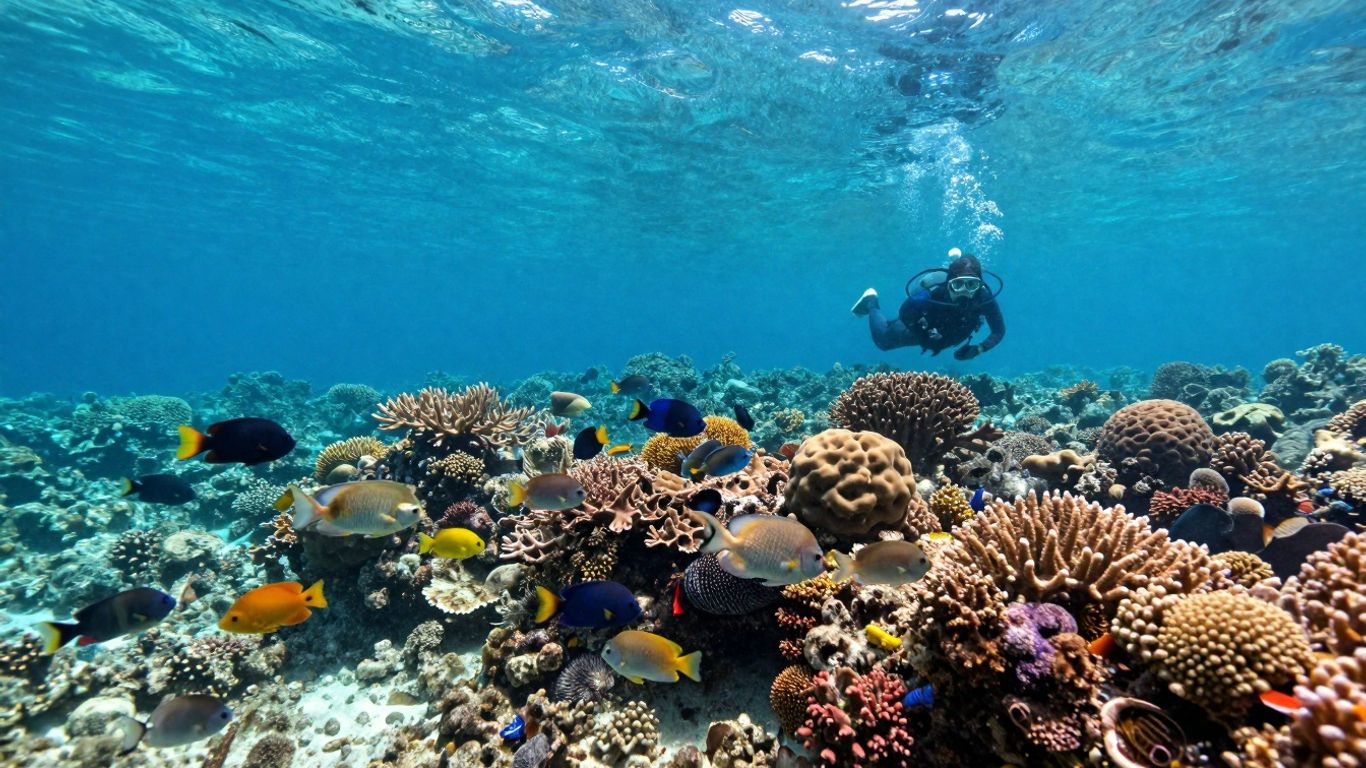
The Naiqoro Passage is a real treat for anyone who loves being in the water. Seriously, the water here is so clear, it makes for some of the absolute best spots for snorkeling and diving you’ll find anywhere in Fiji. Imagine gliding through colorful coral reefs, swimming with all sorts of bright fish – it’s an experience you won’t forget. If you’re feeling a bit more adventurous, you can explore the deeper parts of the passage. You might even spot some bigger marine animals if you’re lucky.
Astounding Marine Biodiversity
What’s really amazing about Naiqoro Passage is just how much life is packed into it. You can see everything from tiny little sea creatures to really impressive manta rays. The coral reefs are just buzzing with activity, which makes it a fantastic place if you’re into taking underwater photos. Keep your eyes peeled for those special species that make this place their home. It’s a whole different world down there.
Optimal Visiting Seasons for Water Activities
If you’re planning a trip, the best time to check out Naiqoro Passage is definitely during the dry season. That’s usually from May all the way through October. The weather is just perfect for getting in the water, and you get the best visibility underwater. So, try to plan your visit around these months to really get the most out of your adventure. It’s a good idea to look into authentic Fijian culture tours that might include this area too.
Exploring Fiji’s underwater world here is more than just a trip; it’s a chance to connect with nature in a really profound way. Every moment spent in the water feels like discovering something new.
Here’s a quick rundown of what makes this place special:
Crystal-clear waters perfect for seeing marine life.
Vibrant coral reefs teeming with diverse fish.
Opportunities to see larger marine creatures in deeper sections.
The best time to visit for water activities is between May and October.
Fascinating Snake God Folklore

Wailotua Cave is a place where stories come alive, especially the tale of the great snake god. Local legends say this powerful being once resided within these very caves. As you walk through the damp, cool passages, it’s easy to imagine ancient villagers coming here to pay their respects or seek protection. The air itself seems to hold onto these old stories, making the cave feel like a living part of Fiji’s history. It’s a reminder of how deeply nature and myth are intertwined in Fijian culture.
Unique Cave Formations
Inside Wailotua Cave, you’ll find some really interesting rock shapes. These formations are the result of water slowly dripping and flowing over thousands of years. You can see things that look like frozen waterfalls and delicate curtains of stone. The way the light plays off these surfaces is pretty amazing, creating shadows and highlights that change as you move. It’s like walking through a natural art gallery, with each turn revealing a new, sculpted wonder.
Guided Tours and Historical Narratives
To really get the most out of your visit to Wailotua Cave, it’s a good idea to go with a guide. They know the best paths and can point out the most impressive formations. More importantly, they share the local stories and legends, like the one about the snake god. Hearing these tales while standing inside the cave makes the experience much richer. It connects you to the people who have lived here for generations and understood these caves in a way visitors can only begin to appreciate. Tours usually last about an hour, giving you plenty of time to explore and learn.
What to expect on a guided tour: Learn about the snake god legend.
See unique stalactites and stalagmites.
Hear about the cave’s history and cultural importance.
Walk through different chambers and passages.
Exploring Wailotua Cave offers a unique blend of natural beauty and cultural storytelling. It’s a chance to step away from the everyday and connect with something ancient and mystical. The guides play a big part in bringing the cave’s history to life, making it more than just a walk through some rocks.
Preparing for Your Fiji Cave Exploration
So, you’re thinking about diving into Fiji’s amazing caves? That’s awesome! It’s a trip you won’t forget, but like any good adventure, a little prep goes a long way. You don’t want to be halfway through a cool lava tube and realize you forgot something important, right? Let’s make sure you’re ready to go.
Essential Gear for Cave Adventures
Packing the right stuff makes all the difference. Think practical and comfortable. You’ll want sturdy shoes that can handle getting wet and maybe a bit muddy – water shoes or old sneakers work great. A reliable flashlight is a must; some caves can get pretty dark, and you don’t want to miss any cool formations. If you plan on swimming, bring your swimwear and a towel. And for those picture-perfect moments, a waterproof camera is a smart choice. Don’t forget a reusable water bottle to stay hydrated, especially in the tropical heat.
Safety Guidelines for All Explorers
Safety first, always! Most of these caves are pretty safe, especially if you go with a guide. They know the ins and outs, the best paths, and where to watch your step. Listen to their instructions – they’re there to help you have a good time and stay out of trouble. Stick to marked paths if there are any, and never go exploring alone in unfamiliar areas. If you’re not a strong swimmer, let your guide know before you enter any water sections. It’s also a good idea to check the weather before you head out, as heavy rain can sometimes affect cave conditions.
Respecting Natural and Cultural Heritage
These caves aren’t just cool geological spots; many have deep historical and cultural meaning for the Fijian people. When you visit, remember you’re a guest. Avoid touching ancient drawings or formations – they’re fragile and irreplaceable. Take only pictures, leave only footprints. It’s also good practice to pack out everything you pack in, keeping the caves clean for everyone to enjoy. Showing respect for the natural environment and local traditions ensures these incredible places can be appreciated for generations to come.
Exploring Fiji’s caves is a fantastic way to connect with the islands’ natural beauty and rich history. Being well-prepared and mindful of your surroundings will make your adventure even more rewarding and memorable.
Your Fijian Cave Adventure Awaits
So, there you have it – a peek into Fiji’s incredible cave systems. From the ancient stories whispered within Naihehe Cave to the watery wonders of Sawa-i-Lau, these natural formations offer more than just a cool escape from the sun. They’re a direct link to Fiji’s past, its legends, and its unique geology. Whether you’re a seasoned explorer or just looking for something a little different, these caves provide a truly memorable experience. Pack your sense of adventure, and get ready to discover the hidden depths of Fiji.
What should I pack for exploring Fiji’s caves?
When you go exploring Fiji’s caves, it’s a good idea to bring water shoes so your feet don’t slip, a flashlight to see in dark spots, and your swimsuit because you might get wet. A camera that can handle water is also fun for taking pictures. Don’t forget to drink plenty of water, and maybe some sunscreen and bug spray for the walk to the cave.
Is it safe to swim in the Sawa-i-Lau Caves?
Yes, swimming in the Sawa-i-Lau Caves is generally safe. The water is usually clear and feels nice and cool. Just be sure to listen carefully to your guide, as they know the best and safest places to swim.
Can someone new to diving explore the Cathedral Cave?
Beginners can try diving in the Cathedral Cave, but it’s highly recommended to go with a guide. This cave has amazing sea life and really clear water, making it a fantastic spot for people who are just starting to learn how to dive.
When is the best time to visit the Naiqoro Passage for water activities?
The best time to enjoy the Naiqoro Passage for snorkeling and diving is during Fiji’s dry season, which usually runs from May to October. The weather is usually nice, and you can see much better underwater.
How easy is it to get around Fiji’s Lava Tubes on Taveuni?
Getting around the lava tubes on Taveuni can be a bit challenging. You might need to do some light climbing or walk on bumpy ground in some spots. Going with a guide who knows the area well is the best way to explore safely.
Are there tours available for Wailotua Cave?
Yes, you can take guided tours of Wailotua Cave. These tours often share cool stories about the legend of the Snake God and point out the amazing rock shapes inside the cave.
What makes Naihehe Cave historically important?
Naihehe Cave was once a safe place, like a fortress, for people called the Naihehe tribe when they were in danger during fights. Its name even means a place to get lost,’ showing how it protected them. Exploring it feels like going back in time to learn about Fiji’s past.
What kind of ancient art can be found in Qaranigio Cave?
In Qaranigio Cave, you can see old drawings on the walls called pictographs. These drawings show people and animals from a long time ago, giving us a peek into how early humans lived when they used the cave for shelter.