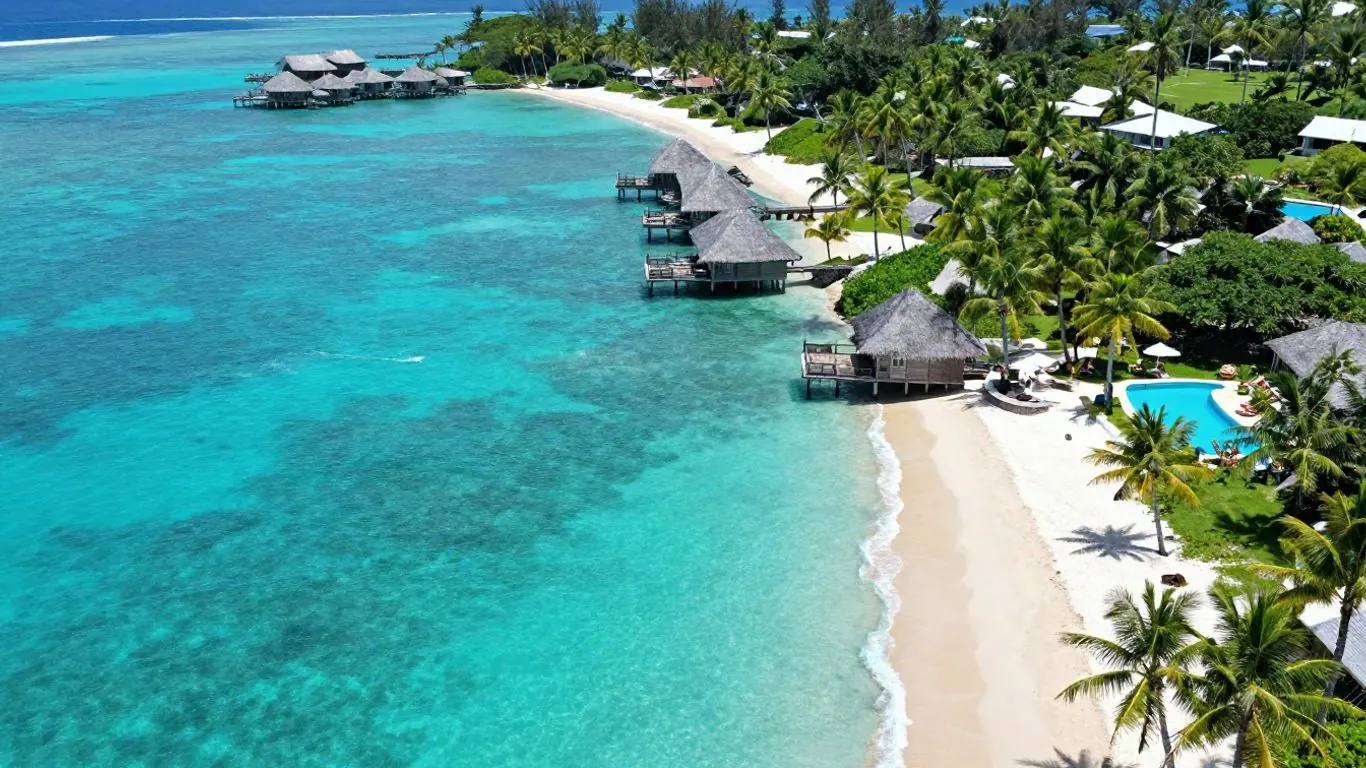
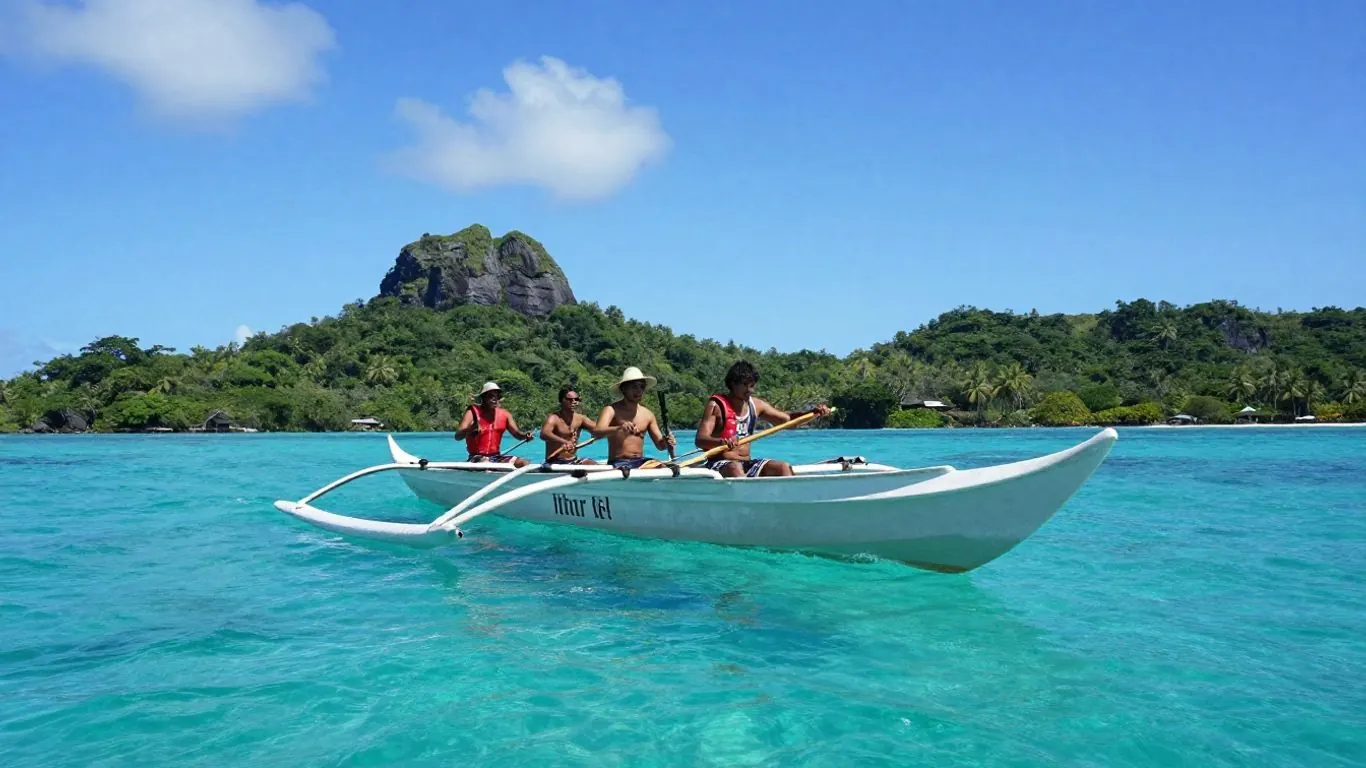
Fiji, often called the Soft Coral Capital of the World,’ is a top spot for anyone looking to explore underwater. With water that’s super clear and full of life, it’s a dream for people who love being in the ocean. Whether you’re new to this or have done it a lot, Fiji has something for everyone, from calm spots to places with dramatic drops. Let’s check out some of the best Fiji freediving spots where you can see amazing things below the waves.
Key Takeaways
The Great Astrolabe Reef offers a huge marine park with lots to see, good for all levels of freedivers.
Beqa Lagoon is known for its many kinds of sea life and calm waters, perfect for practicing and even night freediving.
Somosomo Strait, home to the Rainbow Reef, has bright corals and walls, but watch out for the currents.
Namena Marine Reserve is a protected area that’s great for seeing healthy reefs and lots of sea creatures in a quieter setting.
Bligh Water provides dramatic underwater views with deep channels and is best for those with more experience.
Discover Fiji’s Premier Freediving Spots
Fiji, often called the "Soft Coral Capital of the World," is a place where the underwater world truly comes alive. For freedivers, it’s a dream destination, offering clear waters, vibrant reefs, and an incredible amount of marine life. Whether you’re just starting out or you’ve been freediving for years, Fiji has something special for you. Let’s explore some of the top spots that make this archipelago a freediver’s paradise.
The Great Astrolabe Reef: A World-Class Marine Sanctuary
Located off the coast of Kadavu Island, the Great Astrolabe Reef is one of the largest barrier reefs on the planet. It’s a protected area, which means the corals are healthy and the fish are plentiful. You can expect to see large schools of colorful fish, and if you’re lucky, you might even spot manta rays gliding by. The reef has areas that are great for beginners, with shallower sections, and deeper drop-offs for those looking for a bit more challenge. It’s a fantastic place to practice your breath-hold techniques while surrounded by stunning natural beauty.
Marine Life: Expect to see a wide variety of reef fish, turtles, and possibly sharks.
Reef Structure: Features shallow gardens and dramatic drop-offs.
Visibility: Generally excellent, especially during the dry season.
The sheer scale and health of the Great Astrolabe Reef make it a truly awe-inspiring place to explore the underwater world.
Beqa Lagoon: Biodiversity and Tranquil Depths
Beqa Lagoon is famous for its incredible biodiversity and calm waters, making it ideal for freediving. It’s a large lagoon that protects a vibrant ecosystem. You’ll find beautiful coral formations and a huge array of tropical fish. It’s also known for its shark feeding dives, though for freedivers, the main draw is the sheer abundance of life and the peaceful environment. The lagoon’s protected nature means the water is often very clear, allowing for long, enjoyable underwater sessions.
Water Conditions: Typically calm and clear, perfect for practicing.
Key Features: Vibrant coral reefs, diverse fish populations.
Unique Experience: Offers opportunities for night freediving, where the water can come alive with bioluminescence.
Somosomo Strait: Vibrant Corals and Dramatic Walls
Situated between the islands of Taveuni and Vanua Levu, the Somosomo Strait is renowned for its nutrient-rich waters that fuel spectacular soft coral growth. This area is home to the famous Rainbow Reef and the Great White Wall. The currents here can be quite strong, which might be a bit much for absolute beginners, but for more experienced freedivers, these currents bring a constant supply of nutrients, creating a dynamic and colorful underwater display. It’s a place where you can witness an astonishing variety of marine life against a backdrop of breathtaking coral formations.
The Somosomo Strait is a must-visit for its sheer underwater color and dramatic topography.
Namena Marine Reserve: A Pristine Conservation Haven
Namena Marine Reserve, situated near Savusavu, is a protected area that truly feels like stepping into another world. It’s a place where marine life thrives, largely untouched by human activity. Think of it as Fiji’s own private underwater garden, meticulously cared for. This reserve is a testament to what happens when conservation efforts are put into practice, resulting in incredibly healthy coral reefs teeming with life. You’ll find everything from small, colorful reef fish darting through the coral to larger creatures like reef sharks cruising by. It’s also a spot where you might catch a glimpse of sea turtles gliding gracefully or dolphins playing in the distance.
The Chimneys, a pair of underwater pinnacles blanketed in soft corals, are a highlight here. For those who appreciate a more secluded experience and want to see Fiji’s marine environment at its most natural, Namena is the place to be. It’s a quiet escape, perfect for focusing on your breath and connecting with the ocean.
What to Expect: Healthy coral formations, various reef sharks, and occasional sightings of sea turtles and dolphins.
Diving Highlights: The Chimneys, twin pinnacles covered in soft corals.
Conservation Focus: This reserve is a prime example of successful marine protection, ensuring a vibrant ecosystem for years to come.
Namena’s commitment to preserving its underwater beauty means you’re visiting an environment that’s as close to pristine as you can get. It’s a privilege to explore such a well-maintained natural wonder.
Bligh Water: Channels and Pelagic Encounters
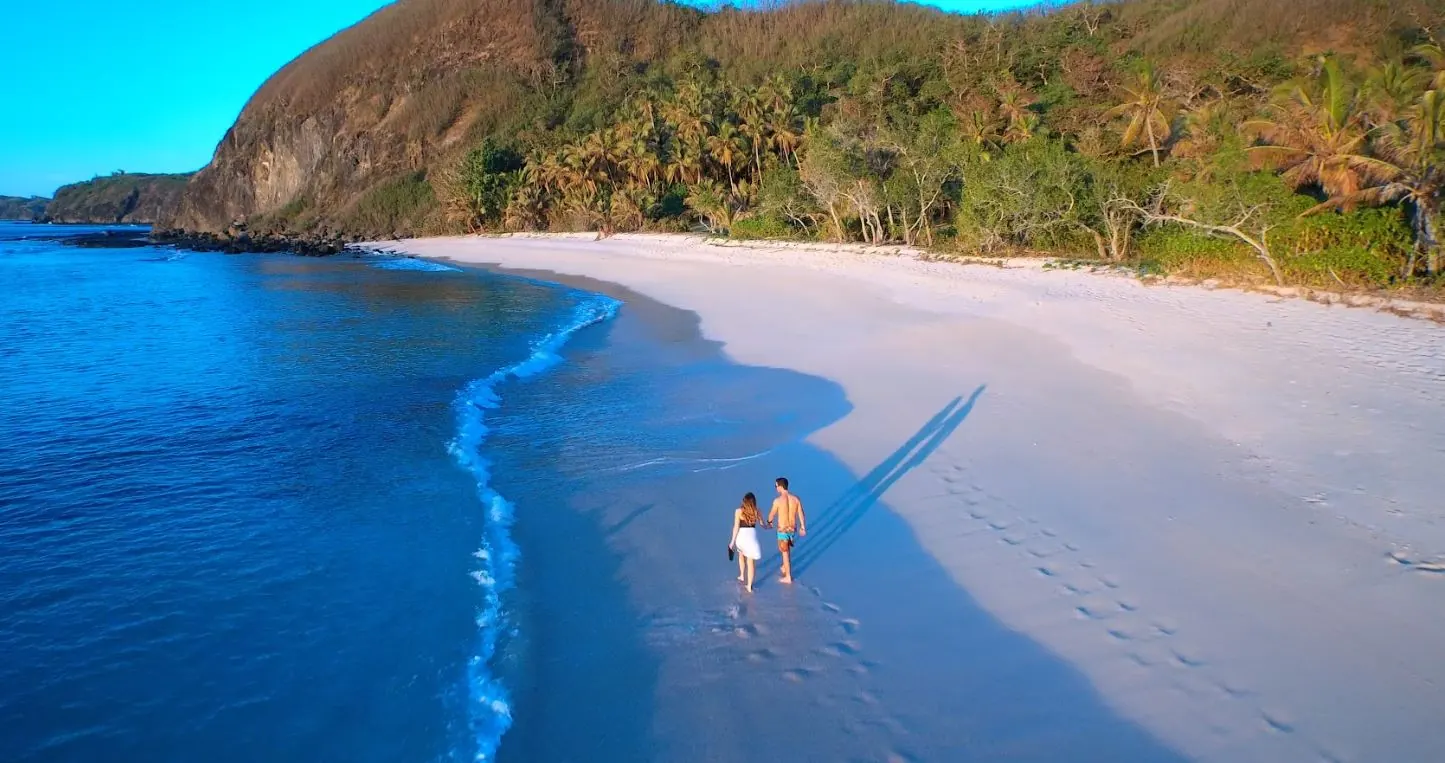
Bligh Water, nestled between Viti Levu and Vanua Levu, presents a more dramatic and exhilarating underwater landscape. This area is known for its deep channels and vibrant coral reefs, making it a playground for those seeking a bit more adventure. The topography here is quite striking, with steep drop-offs that plunge into the deep blue. It’s in these deeper waters that you’re more likely to encounter pelagic species – larger fish that roam the open ocean. The clarity of the water is often exceptional, allowing for impressive visibility into the vastness below.
This region is famously called “The Soft Coral Capital of Fiji,” and for good reason. The underwater scenery is breathtaking, with soft corals creating a colorful spectacle. It’s an area that demands respect for its currents, which can be quite strong, but for experienced freedivers, this offers an incredible opportunity to explore Fiji’s underwater wonders in a dynamic way. The sheer scale and beauty of Bligh Water make it a top choice for freedivers looking for a challenging and rewarding experience.
What to Expect: Steep underwater drop-offs, open-ocean (pelagic) fish, and very clear, deep waters.
Diving Highlights: Vatu-i-Ra Passage, renowned as “The Soft Coral Capital of Fiji.”
Geographical Significance: Named after Lieutenant William Bligh, who navigated these waters in a small boat after a mutiny.
Best Time to Visit for Peak Visibility
When planning your freediving trip to Fiji, timing is everything. The sweet spot for the clearest water and calmest seas generally falls within the dry season, which runs from May through October. During these months, you’ll find visibility often stretching beyond 30 meters (100 feet), making the vibrant underwater world truly pop. The air temperature is pleasant too, usually in the high 20s Celsius (around 80°F), so you’ll be comfortable both in and out of the water. While the shoulder months can still offer good conditions, sticking to this May-to-October window really maximizes your chances for those postcard-perfect underwater views.
Understanding Local Currents and Safety
Fiji’s waters are dynamic, and understanding the local currents is a big part of staying safe and making the most of your freedives. Some areas, like the Somosomo Strait and Bligh Water, are known for their stronger currents, which can actually be a benefit for drift freediving if you’re experienced. However, for less experienced freedivers, these currents can pose a challenge. It’s always wise to check conditions with local guides or dive operators before heading out. They know the water best and can advise on the safest spots and times.
Always remember that freediving is an activity that requires respect for the ocean’s power. Never freedive alone. Having a buddy or a trained safety attendant is non-negotiable. Familiarize yourself with basic rescue techniques and always be aware of your surroundings, including boat traffic and changing weather patterns.
Here’s a quick rundown of what to keep in mind:
Buddy System: Never freedive without a buddy. Your safety partner is your lifeline.
Current Awareness: Be aware of current strength and direction. Ask locals for advice.
Depth Limits: Respect your personal limits and don’t push too hard, especially in unfamiliar territory.
Surface Support: If possible, have a boat or surface support present, especially in more remote locations.
Gear Check: Ensure your gear is in good working order before every session. A reliable surface marker buoy is also a good idea.
Unique Freediving Experiences in Fiji
Fiji, often called the "Soft Coral Capital of the World," offers more than just stunning daytime vistas. For the adventurous freediver, there are truly special encounters waiting beneath the waves.
Night Freediving in Beqa Lagoon
Imagine slipping into the water after sunset. Beqa Lagoon transforms into a different world at night. Bioluminescent organisms begin to glow, creating a magical, almost ethereal light show. It’s a chance to see nocturnal marine life and experience the reef in a completely new way. This surreal experience offers a profound connection to the ocean’s hidden rhythms. While daytime dives focus on the vibrant colours, night freediving highlights the subtle, glowing life that emerges in the darkness.
Encountering Marine Giants
Fiji’s waters are a highway for some of the ocean’s most magnificent creatures. Depending on the season and location, you might find yourself sharing the water with gentle giants. Manta rays, with their impressive wingspans, often glide through areas like the Great Astrolabe Reef. Humpback whales also migrate through Fijian waters, offering a rare and awe-inspiring opportunity for those lucky enough to encounter them. Even spinner dolphins are a common sight, playfully zipping through the water. These encounters are humbling reminders of the vastness and beauty of marine life.
The Resilience of the Rainbow Reef
Located in the Somosomo Strait, the Rainbow Reef is a testament to nature’s enduring beauty. Despite its name, this reef is renowned for its incredibly vibrant soft corals that sway with the currents. While currents can be strong here, they also bring nutrients that fuel this spectacular display. Freediving here means witnessing an explosion of colour and life, a dynamic underwater garden that showcases the health and vitality of Fiji’s marine ecosystems. It’s a place that truly lives up to its name, offering a kaleidoscope of colours and a lively underwater scene. You can explore areas like the famous Great White Wall, a dramatic drop-off teeming with life. It’s a vivid reminder of why protecting these precious environments is so important, and a fantastic place to witness the thriving underwater world, much like the diverse life found in Kiribati .
Freediving in Fiji offers a spectrum of unique experiences, from the quiet glow of bioluminescence to the majestic presence of large marine animals and the vibrant spectacle of healthy coral reefs. Each offers a distinct perspective on the underwater world.
Essential Gear and Safety Equipment
Getting ready for your freediving trip to Fiji means packing smart. You’ll want to bring your own mask, snorkel, and fins. A good mask that fits well is a game-changer for comfort and preventing leaks. For safety, a dive computer is a really good idea. It tracks your depth and time, which is super important for staying safe underwater. Also, consider a brightly colored surface marker buoy (SMB) and a reel to go with it. This helps boats see you if you surface further away than expected. A whistle attached to your BCD or SMB is another simple but effective safety tool. And don’t forget a wetsuit; even in tropical waters, the temperature can drop at depth, and a suit adds comfort and a bit of protection.
Choosing the Right Dive Season
When you plan your trip can really make a difference in your freediving experience. Fiji has a couple of main seasons to consider. The dry season, generally from May to October, is often considered the best time. During these months, you’ll typically find calmer seas and the clearest water, meaning better visibility. This is when you’re most likely to see the vibrant coral gardens and abundant marine life in all their glory. The wet season, from November to April, can bring more rain and potentially rougher conditions, though it’s also warmer and less crowded. If you’re aiming for the absolute best conditions, aiming for the dry season is usually the way to go.
Respecting Fiji’s Marine Ecosystems
Fiji is known as the "Soft Coral Capital of the World," and it’s a title well-earned. The underwater world here is incredibly rich and delicate. When you’re exploring, it’s super important to be mindful of your impact. Always avoid touching the coral or any marine life. Coral is a living organism, and even a light touch can damage it. Try to maintain neutral buoyancy so you don’t accidentally kick or bump into anything. Use reef-safe sunscreen to protect the water from harmful chemicals. Remember, you’re a visitor in their home, so tread lightly and leave only bubbles behind. Observing the incredible biodiversity without disturbing it is part of the true freediving spirit.
The health of Fiji’s reefs is a shared responsibility. By practicing responsible freediving, you contribute to the preservation of these natural wonders for future generations.
Your Fijian Freediving Adventure Awaits
The Great Astrolabe Reef, Somosomo Strait and Bligh Water each suit different experience levels and conditions. Plan around the drier season for visibility, always dive with a buddy, and choose an operator who briefs you on local currents.
When is the best time to go freediving in Fiji?
The best time to enjoy freediving in Fiji is during the dry season, which runs from May to October. During these months, the water is usually calmer, and you’ll get the clearest views underwater, making it perfect for seeing all the amazing sea life.
What kind of marine animals can I expect to see while freediving in Fiji?
Fiji is packed with incredible sea creatures! You might see colorful schools of fish, graceful manta rays, sea turtles, and even reef sharks. Some areas are also known for larger animals like dolphins and whales, especially during certain times of the year.
Is Fiji good for beginner freedivers?
Yes, Fiji offers great spots for beginners! Places like Beqa Lagoon have calm waters that are perfect for practicing your skills. While some areas have stronger currents, there are plenty of sheltered spots where you can learn and explore safely.
What should I bring for freediving in Fiji?
Besides your basic freediving gear like a mask, snorkel, and fins, it’s a good idea to bring a wetsuit as the water temperature can change. Also, pack reef-safe sunscreen to protect the ocean and a buddy to dive with for safety!
Are there any special freediving experiences in Fiji?
Absolutely! You can try night freediving in Beqa Lagoon to see glowing sea creatures, or explore the famous Rainbow Reef, known for its vibrant corals that can handle warmer water. Some places even offer chances to swim near gentle giants like manta rays.
How can I be respectful of Fiji’s underwater environment while freediving?
It’s super important to protect Fiji’s beautiful ocean. Always avoid touching or stepping on coral, as it’s very fragile. Don’t feed the fish or chase marine animals. Stick to the look, don’t touch’ rule to help keep Fiji’s underwater world healthy for everyone.
Use this guide for trip ideas, not a current quotation or a guarantee of access, safety, inclusions or availability. Confirm the requirements and conditions for your dates, destination and provider before booking.