So, you’re thinking about heading to Fiji for some underwater adventures? Smart move. Fiji is pretty famous for its colorful reefs and all sorts of sea creatures. Whether you’re just starting out with a new certification or you’ve been exploring the ocean for years, there’s something here for everyone. The water is usually clear, and the temperatures are nice, making for some really memorable trips. We’ve put together a list of some of the best spots to check out for Fiji diving.
Key Takeaways
Fiji offers diverse diving experiences, from gentle coral gardens to thrilling shark encounters.
The islands are known as the Soft Coral Capital of the World with vibrant marine life.
Locations like Beqa Lagoon are famous for shark dives, while others cater to beginners.
Visibility is generally good, often exceeding 100 feet in many areas.
Fiji provides a range of options for all skill levels, including drift dives and wall dives.
1. Beqa Lagoon
It’s located not too far from the main island, Viti Levu, making it pretty accessible. You can get there by car and then a short boat ride.
What makes Beqa Lagoon famous is its shark diving. It’s considered one of the best spots in the world for this kind of experience. You can expect to see several different species, including bull sharks and tiger sharks on some dives, which is pretty thrilling. It’s not just about the big guys, though. The lagoon is also home to a wide variety of other marine life, with colorful corals and plenty of fish darting around.
Here’s a quick look at what you might encounter:
Bull Sharks
Tiger Sharks
Grey Reef Sharks
Whitetip Reef Sharks
Various reef fish and invertebrates
While the shark dives are a major draw, Beqa Lagoon also has calmer areas with beautiful reefs that are suitable for less experienced divers. So, whether you’re looking for an adrenaline rush or a more relaxed reef exploration, this lagoon has something to offer. The visibility is usually good, and the water temperature is pleasant year-round, making it a great destination any time you can visit.
The currents here can sometimes be a factor, influencing the dive experience and the types of marine life you’ll see. It’s always a good idea to check conditions with your local dive operator.
2. Kadavu Island & The Great Astrolabe Reef
Kadavu Island is a bit off the beaten path, and honestly, that’s part of its charm. It’s home to the Great Astrolabe Reef, which is seriously massive – one of the biggest barrier reefs on the planet. If you’re looking for a place that feels truly remote and untouched by big crowds, this is it. The dive sites here are pretty special, with deep waters feeding into the lagoons right near the island. It’s a spot that really makes you feel like you’ve discovered something.
What makes Kadavu stand out is its protected areas, like the Naiqoro Passage within the Great Astrolabe Reef. You need a permit to go there, which just adds to the sense of adventure. It’s the kind of place where you can expect an exhilarating and totally undisturbed experience. The dive guides know these waters like the back of their hand, always finding the best spots no matter the conditions.
Here’s a quick look at what you might encounter:
Vibrant coral gardens teeming with life.
Opportunities to see manta rays, especially at cleaning stations.
A good variety of reef fish and the occasional reef shark.
Less current compared to some other popular Fiji spots, making for more relaxed exploration.
Kadavu offers a genuine escape for those who want to connect with nature without the hustle and bustle. It’s a place where the underwater world feels vast and full of secrets waiting to be found. The commitment to preserving this environment means it remains a pristine destination for years to come.
While Kadavu might have fewer accommodation choices than other islands, you can find everything from simple, comfortable bungalows to high-end luxury resorts. Booking ahead is a good idea, especially if you’re aiming for a specific type of stay. You can also enjoy activities like kayaking through mangroves or birdwatching when you’re not in the water.
3. Bligh Waters
Nestled between Fiji’s two largest islands, Viti Levu and Vanua Levu, the Bligh Waters are a diver’s paradise, especially for those who don’t mind a bit of a push from the current. This area is famous for its vibrant soft corals and abundant marine life, making it a top spot for underwater photography. The nutrient-rich waters here support an incredible array of sea life, from schools of barracuda and tuna to the occasional hammerhead shark sighting.
Exploring the Bligh Waters often involves drift dives, where the currents gracefully guide you along the reefs. This dynamic environment is what makes the soft corals so spectacular, displaying a breathtaking spectrum of colors. Some of the most talked-about sites include:
Mellow Yellow: Living up to its name, this site is renowned for its stunning yellow soft corals.
Black Magic Mountain: Here, you’ll find a dense concentration of fish, anemones, and a mix of hard and soft corals.
Vatu-i-Ra Passage: Located within the Bligh Waters, this passage is celebrated for its colorful reefscapes and is a must-see for any serious diver.
Because of the currents, the Bligh Waters are generally best suited for intermediate to experienced divers. However, the rewards are immense, offering a truly immersive experience in one of Fiji’s most dynamic marine environments. For those looking to explore this region thoroughly, liveaboard trips are an excellent option, allowing you to access more remote sites and maximize your time in the water. You can find some great liveaboard options for exploring Fiji’s reefs.
The Bligh Waters are a testament to Fiji’s reputation as the Soft Coral Capital of the World. The interplay of currents and marine life creates an underwater spectacle that is both exhilarating and visually stunning, offering a unique perspective on the health and vibrancy of these Pacific reefs.
4. Vatu-i-Ra Passage
Nestled within the Bligh Waters, the Vatu-i-Ra Passage is a truly special spot for anyone who loves vibrant underwater scenery. This area is famous for its incredible soft coral gardens, which put on a spectacular show of color. It’s located on the northeast side of Viti Levu, and the reefs here are just bursting with life.
The sheer abundance and variety of soft corals make Vatu-i-Ra a photographer’s dream. You’ll find everything from delicate sea fans to large, undulating corals in shades of purple, orange, and pink. The marine life is just as impressive, with schools of fish constantly moving through the water. Keep an eye out for reef sharks, which are often seen cruising along the reef edges.
Some of the most well-known sites in this passage include:
E6: A site renowned for its stunning soft coral formations and abundant fish life.
Mount Mutiny: Known for its dramatic topography and vibrant coral growth.
The Chimneys: Offers interesting swim-throughs and a chance to see larger pelagics.
Because currents can sometimes be present in the Bligh Waters, Vatu-i-Ra is often best suited for intermediate to experienced divers. However, the rewards are immense, with some of the most colorful and dynamic reef systems in Fiji.
The passage acts as a natural channel, drawing nutrient-rich waters that support the incredible coral growth and attract a wide array of marine creatures. This dynamic environment creates a lively underwater spectacle that changes with the currents and the time of day.
5. Namena Marine Reserve
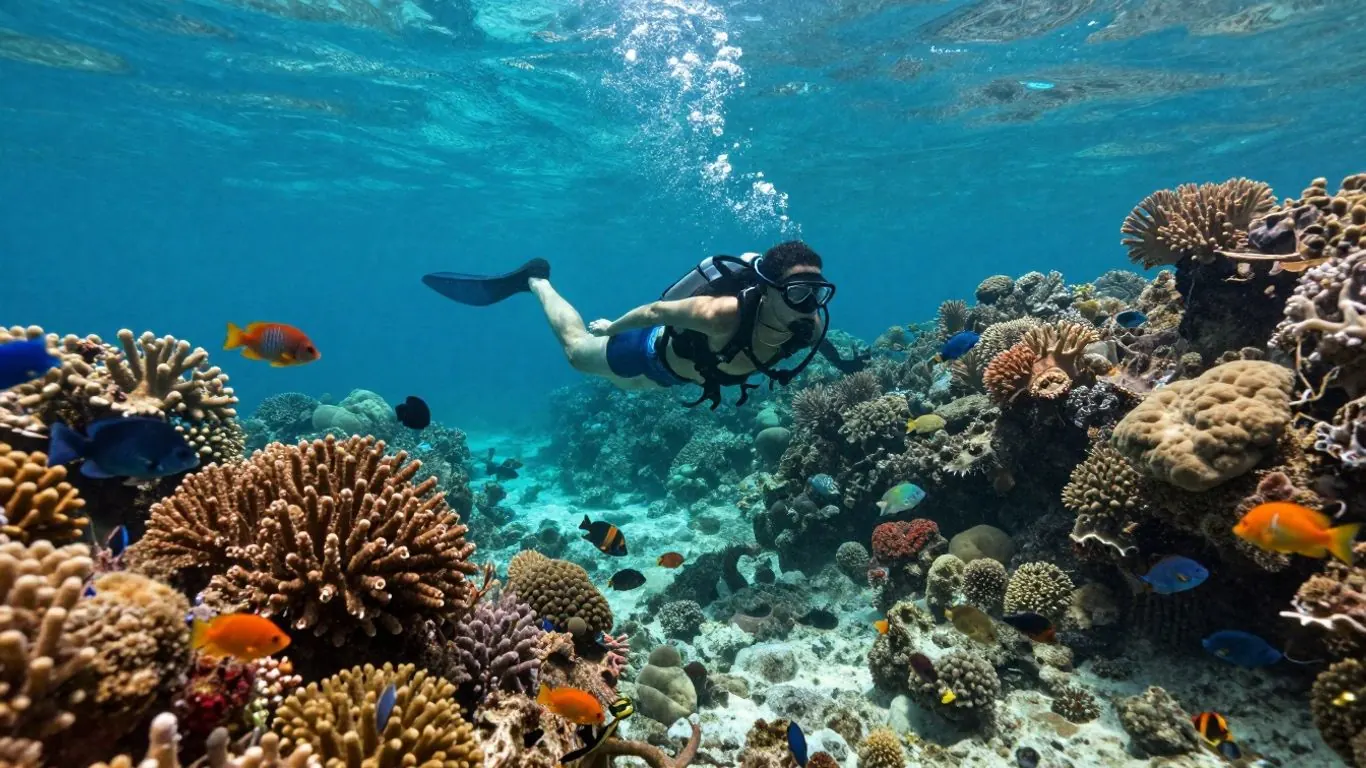
Just off the coast of Vanua Levu, the Namena Marine Reserve is a protected slice of underwater paradise that really feels like it. It’s a place where the corals are vibrant, and the fish life is just… a lot. Think walls covered in soft corals that sway with the gentle currents, creating a mesmerizing underwater garden. You’ll see huge schools of fish, like jacks and barracudas, moving as one. And yes, there are sharks too – mostly reef sharks, which are more curious than anything. It’s a fantastic spot for anyone who’s comfortable in the water and wants to see a truly thriving ecosystem.
The reserve is a sanctuary, and you can feel that sense of untouched beauty. It’s a bit of a boat ride from Savusavu, usually about an hour, or often visited by liveaboard. This means it’s less crowded than some of the more accessible spots, giving you more space to just soak it all in.
Here’s what you can expect:
Abundant Soft Corals: Prepare for a riot of color, especially from the soft corals that blanket many of the sites.
Pelagic Encounters: Keep an eye out for larger visitors, as the reserve attracts a good variety of pelagic species.
Diverse Fish Life: From tiny reef fish to large schools, the sheer volume of fish is impressive.
One of the most famous spots here is often called Grand Central Station. It’s not hard to see why – it’s a busy intersection of marine activity. You might even get lucky and see schooling hammerheads, though that’s more of a bonus than a guarantee. It’s a place that reminds you how amazing the ocean can be when it’s left to flourish. If you’re looking for a pristine environment that feels truly wild, Namena is definitely worth the journey. It’s a great example of what happens when conservation efforts pay off, creating a haven for marine life that you can explore. You can find out more about Fiji’s adventure tours, including options that might take you near this incredible area, by checking out adventure tours .
The reserve is a protected area, meaning the marine life here is particularly healthy and abundant. It’s a testament to the importance of marine protected areas for maintaining biodiversity and providing incredible experiences for visitors.
6. Rainbow Reef, Taveuni
Taveuni, often called the Garden Island, is home to the absolutely stunning Rainbow Reef, nestled in the Somosomo Strait. This place is famous for its soft corals, which really come alive when the currents are flowing. It’s a vibrant underwater spectacle that draws divers from all over.
The reef is split into two main sections, each offering a different experience. The inner reef, on the north side, is where you’ll find the most incredible soft corals, with schools of anthias and fusiliers darting through the water. Sites like Rainbow Passage and Rainbow’s End are highlights here.
On the south side, the outer reef, you have a better chance of spotting sharks. The Great White Wall is a must-see, a sheer drop-off covered in white soft corals that looks like a snowy landscape between 80 and 120 feet. Then there’s The Zoo, known for more frequent sightings of larger marine animals.
Because of the currents, Rainbow Reef is generally better suited for intermediate to advanced divers. But honestly, those currents are what make the soft corals so spectacular!
The sheer abundance and variety of marine life here, coupled with the dramatic topography, make it a truly unforgettable place to explore beneath the waves. It’s easy to see why it’s considered one of Fiji’s premier spots.
Getting to Taveuni is straightforward with daily flights from Nadi and Suva. Once you’re there, you’ll find a range of accommodations, from traditional Fijian-inspired resorts to more luxurious options. Many resorts can help arrange your day trips to the reef.
Here are a few things to keep in mind when planning your visit:
Currents: Be prepared for them! They are part of what makes the reef so dynamic.
Marine Life: Expect to see a huge variety of fish, reef sharks (whitetips, grays, and nurses), and of course, those incredible soft corals.
Beyond the reef, Taveuni offers other activities like visiting waterfalls and bird watching, making it a well-rounded destination for any traveler.
7. Suncoast – Rakiraki
Just a couple of hours drive north from Nadi, the Suncoast near Rakiraki is one of Fiji’s quieter treasures. This stretch of coastline offers access to over 50 different spots within the Bligh Waters and Vatu-i-Ra Passage. Many consider this area the new heart of Fiji’s soft coral scene. Imagine a jumble of coral formations, just below the surface, absolutely covered in vibrant soft corals and swarming with colorful fish. It’s quite a sight.
Some of the standout sites here include Black Magic Mountain, a classic spot known for its healthy corals and schools of fish like jacks and fusiliers, plus a good chance of seeing sharks and rays. Then there’s Instant Replay, a site you’ll likely want to visit more than once. It’s particularly famous for its deeper coral heads, draped in yellow and purple soft corals. These local spots often feature amazing structures, sea fans, swim-throughs, and plenty of fish, with occasional sightings of whitetip sharks.
The waters off the Suncoast are a maze of barely submerged coral stacks and pinnacles, festooned with soft corals and alive with crowds of brightly coloured reef fish.
Beyond the underwater world, the Suncoast area is also great for hiking and fishing. For those looking for a place to stay, several resorts are located on the northern peninsula, making them perfect bases for a week of exploring the reefs. You can find a variety of accommodation options, from comfortable resorts to more secluded spots, all providing easy access to the incredible Fiji snorkeling adventures .
Here’s a quick look at what makes Rakiraki special:
Soft Coral Capital: Known for its abundant and colorful soft coral growth.
Diverse Marine Life: Expect to see schooling fish, sharks, rays, and a wide array of reef inhabitants.
Varied Topography: Sites range from coral stacks and pinnacles to walls and swim-throughs.
Accessibility: Many sites are within a short boat ride from shore-based resorts.
8. Coral Coast, Viti Levu
The Coral Coast, stretching along the southern shoreline of Viti Levu, Fiji’s main island, presents a more accessible and often gentler introduction to the country’s underwater wonders. This region is particularly well-suited for those who have recently earned their certification and are looking for straightforward, enjoyable experiences right off the main island. You’ll find calm, shallow coral gardens here, teeming with a good variety of fish.
This area offers some of the most beginner-friendly diving in Fiji. The conditions are generally mild, making it a comfortable place to build confidence and practice skills. While it might not boast the dramatic currents or extreme depths of some other Fijian locales, the Coral Coast provides a solid foundation for new divers and a relaxing option for seasoned ones.
Here’s what you can typically expect:
Accessible Reefs: Many sites are just a short boat ride from shore, minimizing travel time and maximizing bottom time.
Diverse Fish Life: Expect to see colorful reef fish, small invertebrates, and perhaps even a curious turtle.
Gentle Conditions: The shallow depths and calmer waters make it ideal for learning and relaxed exploration.
The Coral Coast is a great starting point for anyone new to the underwater world in Fiji. It allows you to appreciate the beauty of the reefs without the challenges that stronger currents or deeper sites might present. It’s a place where you can focus on the vibrant colors and the sheer abundance of marine life.
While known for its calmer waters, the Coral Coast also offers opportunities to explore different types of underwater topography. You can find interesting formations and plenty of nooks and crannies for smaller creatures to inhabit. It’s a good spot to practice your buoyancy control and get comfortable with your gear in a low-stress environment. For those staying on Viti Levu, it’s a convenient option for a day trip or a few days of relaxed exploration. You can find a good range of resorts along this stretch of coast, many catering to those looking for a comfortable base for their aquatic adventures. It’s a solid choice for a pleasant introduction to Fiji’s underwater wonderland .
9. Mamanuca Islands
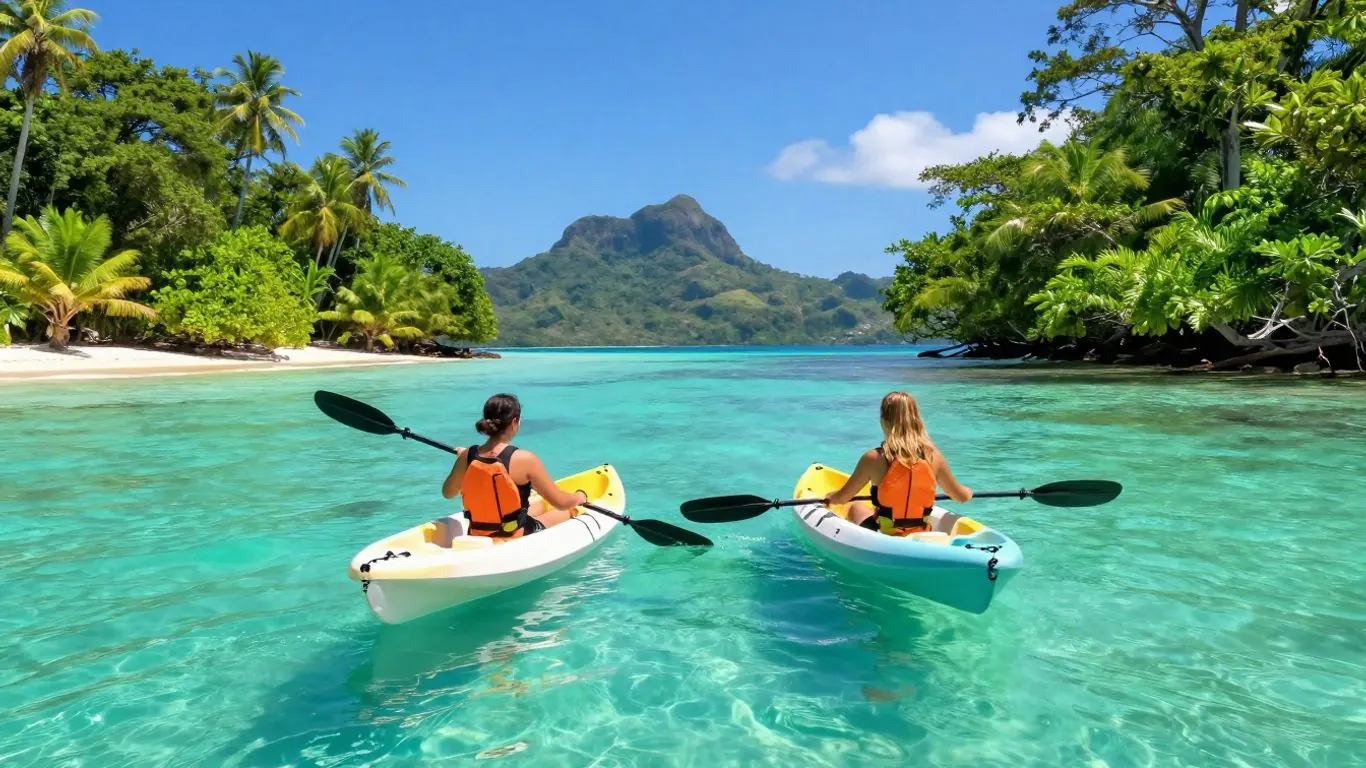
The Mamanuca Islands are a cluster of about twenty islands, and they’re a real gem for anyone looking to explore Fiji’s underwater world. You’ll find a mix of calm lagoons and vibrant reefs here, making it a great spot for all sorts of swimmers, from those just starting out to folks who’ve been doing this for years. It’s the kind of place where you can easily spend a week and still discover new things.
One of the things that makes the Mamanucas stand out is the sheer variety of marine life you can encounter. Think colorful corals, schools of tropical fish darting about, and if you’re lucky, maybe even a sea turtle gliding by. The visibility is usually pretty good too, which just adds to the whole experience. It’s not uncommon to see a wide array of fish species, and the coral formations themselves are quite something to behold.
Here are a few things that make the Mamanuca Islands a top pick:
Gentle Conditions: Many sites offer calm waters, perfect for beginners or those who prefer a more relaxed outing.
Diverse Reefs: From shallow coral gardens to more dramatic drop-offs, there’s a good range of underwater topography.
The Mamanuca Islands truly offer a delightful introduction to Fiji’s aquatic wonders. Many resorts in the area cater specifically to those interested in the water, often providing packages that include boat trips and equipment. It’s a popular choice for families too, with many places offering services that make it easier for parents to enjoy their time. If you’re looking for a place that combines beautiful scenery with accessible and rewarding underwater exploration, the Mamanucas are definitely worth considering. You can find some really lovely places to stay, like Matamanoa Island Resort , which offers a more secluded experience.
10. Yasawa Islands
The Yasawa Islands feel like stepping into a postcard. This chain of islands offers a more remote vibe compared to some of the busier spots in Fiji, and that seclusion really adds to the magic. The underwater world here is just as dramatic as the landscapes above, with volcanic formations creating all sorts of interesting nooks and crannies for marine life to call home.
What you’ll find underwater is a vibrant display of Fiji’s natural beauty. Think colorful sea fans swaying in the gentle currents and soft corals painting the reef walls. It’s a fantastic place to spot all sorts of smaller critters living in the nooks and crannies, but keep an eye out for the bigger visitors too.
Seasonal manta ray encounters are a major draw for many visitors to the Yasawas. It’s a carefully managed activity, and seeing these gentle giants glide through the water is an unforgettable experience. Many people who come here for snorkeling end up getting hooked on scuba diving after experiencing the Yasawa’s underwater wonders.
Getting to the Yasawa Islands is part of the adventure, and once you’re there, you’ll find a range of places to stay, from simple beachfront huts to more upscale resorts. It’s a place that truly captures the essence of a Fijian paradise, offering a more untouched feel.
What to Expect Underwater:
Vibrant Soft Corals: Expect to see a stunning array of soft corals in various colors blanketing the reef structures.
Diverse Marine Life: From tiny invertebrates to schools of reef fish, the biodiversity is impressive.
Manta Ray Sightings: During the right season, these majestic creatures are a highlight for many.
Dramatic Topography: Underwater volcanic formations create unique swim-throughs and overhangs.
The Yasawa Islands provide a sense of escape, where the natural beauty above and below the water creates a truly special atmosphere for any visitor looking for a more tranquil Fijian experience. It’s a place where you can really connect with the environment.
Accommodation options here cater to different budgets, from budget-friendly eco-lodges to luxurious resorts, making it accessible for various travelers. If you’re seeking a slice of paradise with incredible underwater scenery and a more laid-back feel, the Yasawa Islands are definitely worth considering for your next trip.
Your Fijian Underwater Adventure Awaits
So, there you have it – a glimpse into the amazing underwater world Fiji has to offer. From the vibrant soft corals that earned it the title Soft Coral Capital of the World to thrilling shark encounters and serene coral gardens, Fiji truly has something for everyone. Whether you’re just starting out or you’ve been exploring the ocean for years, these islands promise unforgettable experiences. Pack your gear, grab your sense of adventure, and get ready to discover the magic that lies beneath the waves in Fiji. The warm waters and friendly faces are waiting to welcome you to an aquatic paradise unlike any other.
When is the best time to go diving in Fiji?
Fiji is great for diving all year round!
What kind of marine life can I expect to see?
You’ll see an incredible amount of colorful fish, vibrant soft corals, and healthy hard corals. Keep an eye out for sharks, manta rays, turtles, and huge schools of fish like barracudas and jacks. Fiji is known as the Soft Coral Capital of the World’ for a reason!
Is Fiji good for beginner divers?
Yes, definitely! Places like the Coral Coast and Mamanuca Islands have calm, shallow reefs perfect for new divers. You can also find calmer spots in Beqa Lagoon away from the famous shark dives.
What makes Fiji’s dive sites unique?
Fiji offers amazing underwater scenery, from coral walls and pinnacles to swim-throughs. The currents, which might seem scary, actually help bring out the soft corals and attract lots of marine life. It’s a dynamic and exciting place to dive.
Do I need special certifications for Fiji diving?
A Drift Diver course is also recommended since many dives involve currents. If you’re interested in shark dives, consider a specialized course.
How do I get to the best dive spots?
Most international flights arrive at Nadi International Airport on Viti Levu. From there, you can take smaller planes, ferries, or boats to reach different islands and dive resorts. Many resorts and liveaboard boats can help arrange your transport.
What should I pack for diving in Fiji?
Besides your usual dive gear, bring reef-safe sunscreen, a hat, sunglasses, and swimwear. A rash guard is good for sun protection. Don’t forget your camera to capture all the amazing underwater sights!
Is it possible to dive with sharks in Fiji?
Absolutely! Beqa Lagoon is world-famous for its shark dives, where you can safely encounter bull sharks, tiger sharks, and other species. It’s a thrilling experience for certified divers looking for an adrenaline rush.
Confirm current details
Ask each dive centre about current conditions, the certification level and recent experience needed for sites such as Bligh Water or the Great Astrolabe Reef, and whether a refresher dive is required.
Use this guide for trip ideas, not a current quotation or a guarantee of access, safety, inclusions or availability. Confirm the requirements and conditions for your dates, destination and provider before booking.