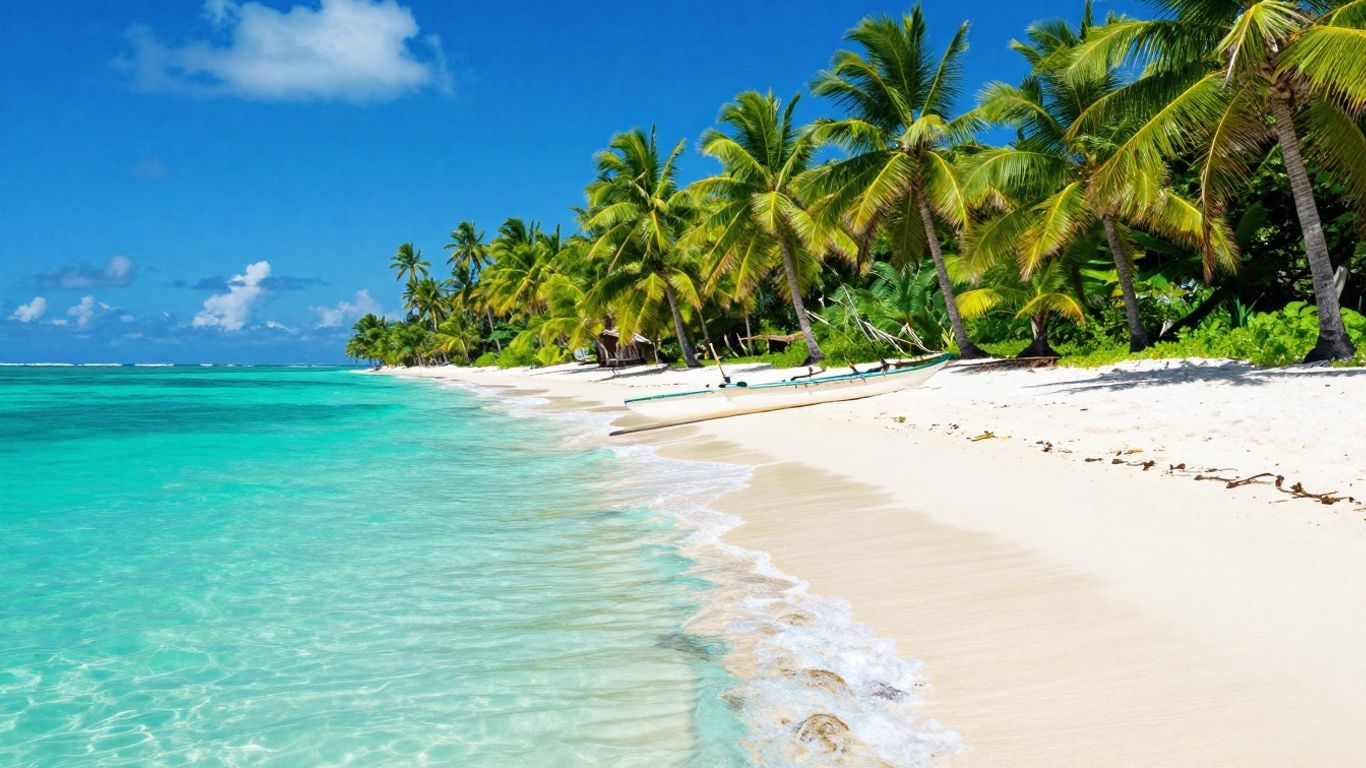

Thinking about a trip to Fiji? It’s a pretty amazing place, especially underwater. You’ve got these colorful corals, tons of fish, and even sharks if that’s your thing. But planning it all can get a bit confusing, right? From figuring out where to stay to what kind of package to get, there’s a lot to consider. This guide breaks down the different Fiji diving tours and packages available, so you can find the perfect one for your next adventure.
Key Takeaways
Fiji is known as the Soft Coral Capital of the World’ with vibrant reefs and abundant marine life, offering excellent visibility and warm waters for diving.
Popular diving spots include the Suncoast (Rakiraki) for pristine reefs, Pacific Harbour and Beqa Lagoon for shark encounters, and Taveuni for its stunning coral gardens.
Packages range from resort-based stays with daily dives to immersive liveaboard adventures, with options to customize based on your preferences and budget.
Fiji offers unique experiences like shark feeding dives in Beqa Lagoon and is generally considered more affordable for diving compared to some other tropical destinations, especially when considering the quality and quantity of dives.
Discover Fiji’s Underwater Splendor
Fiji, often called the Soft Coral Capital of the World, truly lives up to its name. The underwater scenery here is a vibrant spectacle, a kaleidoscope of colors that draws divers from all corners of the globe. It’s not just about the corals, though; the sheer abundance and diversity of marine life make every excursion a memorable adventure. You’ll find yourself surrounded by schools of fish, from tiny, shimmering reef dwellers to larger, more majestic creatures. The clarity of the water is another major draw, allowing for incredible visibility that lets you soak in every detail of this aquatic paradise. Plus, the water temperature is consistently warm, making for comfortable explorations beneath the waves.
The Soft Coral Capital of the World
This title isn’t just a catchy phrase; it’s a testament to the breathtaking soft corals that carpet Fiji’s reefs. Imagine diving through gardens of pulsating colors – vibrant purples, fiery oranges, soft pinks, and electric blues. These delicate structures create a dynamic and ever-changing underwater landscape. The sheer variety and health of these corals are remarkable, providing a stunning backdrop for the countless fish species that call these reefs home. It’s a visual feast that photographers and nature lovers alike will find absolutely captivating. Exploring these reefs feels like entering a living art gallery.
Vibrant Reefs and Abundant Marine Life
Beyond the famous soft corals, Fiji’s reefs are teeming with life. You can expect to see a dazzling array of tropical fish darting through the coral formations. Keep an eye out for clownfish nestled in anemones, graceful angelfish, and schools of vibrant damselfish. Larger species are also common, with reef sharks, barracudas, and various rays often making an appearance. The nutrient-rich waters support a healthy ecosystem, leading to encounters that can range from the small and intricate to the large and awe-inspiring. It’s this rich biodiversity that makes each Fiji dive unique.
Exceptional Visibility and Warm Waters
One of the most appealing aspects of diving in Fiji is the consistently good visibility. You can often expect to see up to 100 feet (30 meters) or more, especially outside the lagoons during the dry season. This clear water allows you to fully appreciate the vibrant colors of the reefs and the intricate details of the marine life. Coupled with water temperatures that hover around a pleasant 80°F (27°C) year-round, these conditions create an inviting environment for extended underwater exploration. The warmth means you can spend more time enjoying the scenery without feeling the chill, making your dives all the more enjoyable.
Prime Diving Destinations in Fiji
Fiji, often called the Soft Coral Capital of the World, truly lives up to its name with an underwater spectacle that draws divers from all corners of the globe. The islands offer a diverse range of dive experiences, from shallow, vibrant reefs teeming with life to thrilling encounters with larger marine creatures. Each region boasts its own unique charm and underwater topography, making it important to know where to go for the kind of adventure you’re seeking. The quality of diving can vary significantly across the archipelago, so choosing the right spot is key to an unforgettable trip.
Suncoast: Rakiraki’s Pristine Reefs
The Suncoast, particularly the area around Rakiraki, is a less-talked-about gem that’s quickly gaining recognition. Located on the northern coast of Viti Levu, this region is a paradise for those who love exploring untouched coral gardens. You’ll find over 50 dive sites here, many situated in the Bligh Waters and Vatu-i-Ra Passage. These waters are known for their maze-like coral formations, dramatic pinnacles, and an explosion of soft corals in every color imaginable. Expect to see schools of fish like big-eye jacks and fusiliers, along with various sharks and rays. Popular sites like Black Magic Mountain and Instant Replay offer incredible coral structures and abundant marine life. Resorts like Volivoli Beach Resort and Wananavu Beach Resort serve as excellent bases for exploring this area, offering easy access to these stunning underwater landscapes. It’s a great spot for those looking for a more relaxed yet visually stunning dive experience.
Pacific Harbour and Beqa Lagoon’s Shark Encounters
For adrenaline seekers and shark enthusiasts, Pacific Harbour and the nearby Beqa Lagoon are unmissable. The lagoon itself is a shallow, generally calm body of water filled with pinnacles, wrecks, and a dazzling array of colorful corals and reef fish. It’s easily accessible from Viti Levu, making it a convenient stop for many itineraries. Beyond the sharks, the lagoon provides a rich tapestry of marine life, making it a dynamic and exciting place to explore. This area is a must-visit for anyone wanting to experience Fiji’s more thrilling underwater encounters.
Taveuni: The Garden Island’s Coral Gardens
Known as the Garden Island, Taveuni is another top-tier destination for divers, particularly famous for the Rainbow Reef. This extensive reef system is a vibrant display of Fiji’s soft coral prowess, with breathtaking colors and formations. The currents here can be a bit more dynamic, attracting larger pelagic species and creating a lively underwater scene. Sites like the Great White Wall are legendary, offering a dramatic drop-off covered in white soft corals that sway gently in the current, creating an ethereal experience. Taveuni offers a more remote and lush island experience above water, complementing its world-class underwater attractions. It’s a place where the sheer abundance and vibrancy of the coral life are truly astounding, providing a feast for the eyes for any underwater photographer or enthusiast. You can find out more about planning your trip to Fiji at Fiji Travel Pro .
Here’s a quick look at what makes these areas stand out:
Suncoast (Rakiraki): Pristine, less crowded reefs; abundant soft corals; diverse fish life; good for relaxed diving.
Pacific Harbour & Beqa Lagoon: Famous shark dives; calm lagoon environment; pinnacles and wrecks; exciting encounters.
Taveuni (Rainbow Reef): Dramatic walls and drop-offs; vibrant soft corals; potential for pelagics; iconic dive sites like the Great White Wall.
When planning your Fiji adventure, consider which of these unique environments best matches your interests. Whether you’re drawn to the serene beauty of soft coral gardens, the thrill of shark encounters, or the dramatic topography of famous walls, Fiji’s prime diving destinations offer something truly special for every diver.
Planning Your Fiji Diving Tours
Deciding when to visit Fiji for your underwater adventures really comes down to what you’re hoping to experience. The islands have two main seasons, and each offers something a little different. Understanding these will help you pick the perfect time for your trip.
Best Times to Experience Fiji Diving
However, this is also when you might encounter more wind, and water temperatures can dip into the mid-70s Fahrenheit. It’s a great time if crystal-clear views are your top priority.
Navigating Fiji’s Dry and Wet Seasons
During these months, the winds tend to calm down, which can make for smoother boat rides. While visibility might decrease slightly, it often still remains good, frequently over 60 feet. The water stays nice and warm, typically in the low 80s Fahrenheit. It’s worth noting that this period overlaps with cyclone season, though major storms are infrequent. For those looking for a more relaxed pace and warmer water, the wet season can be quite appealing.
Transitional Months for Optimal Conditions
You might catch the best of both worlds – decent visibility and comfortable water temperatures without the peak season crowds or the higher chance of strong winds or storms. However, Fiji’s weather can be quite localized. For instance, the mountainous interior of Viti Levu can create its own weather patterns, with afternoon clouds and morning showers being common. Generally, the northern parts of the main island tend to be clearer than the south. If you’re considering a trip, checking the specific weather for the region you plan to visit is always a good idea. For those who prefer a structured itinerary without the stress of piecing it all together, travel agencies like Bluewater Travel can be incredibly helpful in crafting the perfect Fiji experience.
When planning your trip, remember that different areas of Fiji can have slightly different weather. It’s always wise to check the forecast for your specific destination within the islands. Some travelers find that combining different experiences, like resort stays with a short liveaboard adventure, offers a well-rounded view of Fiji’s underwater beauty.
Choosing Your Fiji Dive Package
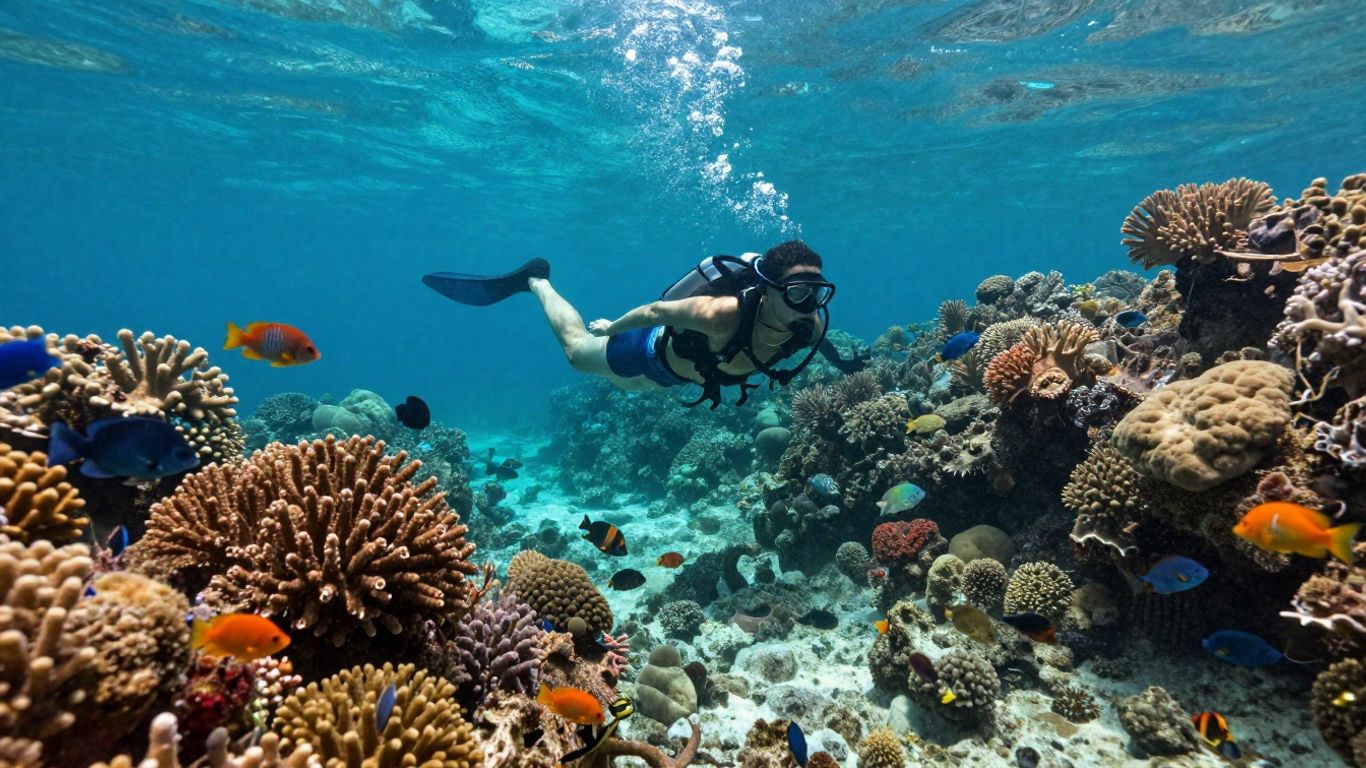
So, you’ve decided Fiji is the place for your next underwater adventure. Awesome choice! Now comes the fun part: figuring out the best way to experience it all. Fiji offers a few main ways to structure your trip, and picking the right one really makes a difference in how you’ll spend your time and what you’ll see.
Resort-Based Diving Experiences
This is a super popular way to go, especially if you like having a comfortable home base with amenities. You’ll stay at a resort, and they’ll handle all your diving logistics. Think short boat rides to nearby sites, usually with breakfast, lunch, and maybe even some snacks included. It’s great because you can easily mix diving with relaxing by the pool or exploring the island. Many resorts are located in prime spots, like the Suncoast near Rakiraki, which is known for its pristine reefs and vibrant coral gardens. You get to wake up, have coffee, and be on a boat heading to a fantastic reef within minutes. It’s a pretty relaxed way to do things, and you don’t have to worry about moving your gear around too much.
Convenience: Everything is usually in one place – accommodation, food, and the dive shop.
Variety: Many resorts offer other activities like kayaking, hiking, or cultural visits.
Accessibility: Often easier to get to, especially if you’re staying on the main island or a well-serviced smaller one.
Staying at a resort means you can easily plan your days around the dives, but also have plenty of downtime to enjoy Fiji’s beauty above the water. It’s a balanced approach for many travelers.
Liveaboard Adventures for Immersive Exploration
If you’re all about maximizing your time in the water and exploring further afield, a liveaboard might be your ticket. You’ll live on a boat for a set period, traveling between different dive sites each day. This means you can get to those more remote, untouched reefs that are harder to reach from a resort. Imagine waking up to a new incredible vista every morning and spending your days exploring different underwater landscapes. It’s a truly immersive experience, and you’ll likely see a wider variety of marine life and dive sites. Plus, the camaraderie on a liveaboard is often fantastic, with like-minded people sharing stories after a day of exploring. It’s a great way to see a lot of Fiji’s underwater world without the daily travel back and forth.
Extensive Exploration: Access to remote dive sites often missed by resort-based trips.
Maximized Bottom Time: More dives per day are typically possible.
All-Inclusive: Usually includes all meals, snacks, and unlimited diving (within safety limits, of course).
Customizing Packages for Your Preferences
Sometimes, the standard packages just don’t quite fit. That’s where customization comes in. Many operators and travel agents can help you build a trip tailored to exactly what you want. Maybe you want to spend a few days at a resort on the Suncoast and then hop over to Taveuni for a few days of diving the famous Rainbow Reef. Or perhaps you’re keen on combining a resort stay with a dedicated shark encounter trip. You can often adjust the length of your stay, the type of accommodation, and even the specific dive sites you want to visit. This flexibility is fantastic for those who have specific interests or want to combine different Fiji experiences. Working with a travel planner can really help sort out the logistics of multi-destination trips, making sure your transfers are smooth and your itinerary flows well. This is where you can really craft your dream Fiji trip, making sure it fits your budget and your personal style.
Beqa Lagoon’s Renowned Shark Feeds
It’s not just a quick peek; these are organized feeding dives that bring a variety of shark species right to you. Think bull sharks, tiger sharks, and silvertips – it’s quite the show.
Encountering Various Shark Species
The main draw here is the sheer number and variety of sharks you can witness. It’s a real hotspot for bull sharks, known for their size and presence. You’ll also likely see tiger sharks, which are impressive to observe from a safe distance. Beyond them, expect to see whitetip reef sharks, blacktip reef sharks, grey reef sharks, and sometimes even nurse sharks and lemon sharks. It’s a diverse gathering.
Safety and Ethical Considerations
When you’re thinking about these shark encounters, safety is obviously a big deal. The operators running these dives are experienced and have strict protocols in place. They use specific feeding techniques to keep both the sharks and the divers safe. It’s important to remember that these are wild animals, and while the dives are managed, respect for their space is key. The goal is to observe them in a way that doesn’t harm them or disrupt their natural behavior too much. It’s a balance between an thrilling experience and responsible tourism.
Here’s a quick look at what you might expect:
Bull Sharks: Often the stars of the show, these are large and powerful sharks.
Tiger Sharks: Recognizable by their stripes, they are a truly awe-inspiring sight.
Reef Sharks: Various species like whitetips and blacktips are common.
It’s a unique opportunity to witness apex predators in their environment. The sheer volume of marine life attracted to these feeding sites is also remarkable, creating a dynamic underwater spectacle. Remember to listen carefully to your guide’s instructions before and during the dive.
Beyond the Dive Sites: Fiji’s Allure
While the underwater world is undoubtedly the main draw for many visitors, Fiji offers so much more than just incredible reefs and marine life. The islands themselves are a tropical paradise, brimming with natural beauty and vibrant culture that beckons exploration.
Activities for Non-Divers
Even if you’re not a certified diver, or if you’re traveling with companions who prefer to stay dry, Fiji provides a wealth of engaging activities. Think about:
Island Hopping: Discover the unique charm of different islands, each with its own character and landscape.
Kayaking and Paddleboarding: Glide across calm lagoons and explore hidden coves at your own pace.
Snorkeling: Many of Fiji’s reefs are shallow enough for fantastic snorkeling, offering a glimpse of the colorful underwater world without needing to scuba.
Relaxing on Beaches: Fiji is famous for its pristine white-sand beaches and crystal-clear waters, perfect for unwinding.
Exploring Lush Landscapes and Local Culture
Fiji’s interior is just as captivating as its coastline. Lush rainforests cover the mountainous islands, hiding spectacular waterfalls and ancient caves. Hiking trails lead through verdant scenery, offering opportunities to spot unique flora and fauna. Engaging with the local Fijian culture is also a highlight. Visiting a traditional village provides insight into the islanders’ way of life, their customs, and their warm hospitality. You might even be invited to a kava ceremony, a significant cultural ritual.
The warmth of the Fijian people is legendary. ’, create an atmosphere of immediate comfort and belonging, making every visitor feel like part of the family.
Family-Friendly Adventures
Fiji is an excellent destination for families. Beyond the water activities, many resorts offer kids’ clubs and family-oriented excursions. Exploring local markets, visiting botanical gardens, or simply enjoying the resort pools and beaches can keep younger travelers entertained. The gentle nature of many of the islands and the friendly locals make it a safe and enjoyable environment for children. For those seeking a bit more thrill, places like Pacific Harbour offer activities like ziplining and off-road adventures that can be enjoyed by the whole family.
Logistics for Your Fiji Diving Trip
Getting to Fiji and moving around once you’re there is part of the adventure. It’s not as complicated as it might seem, but a little planning goes a long way to making your trip smooth sailing. Most international flights touch down at Nadi International Airport (NAN) on Viti Levu, the main island. From there, you’ll connect to your chosen island or resort.
Getting to Fiji: Flights and Travel
Several major airlines fly into Nadi, including Fiji Airways, Qantas, Air New Zealand, and others from hubs like Los Angeles, Honolulu, Hong Kong, Singapore, and Tokyo. Flights often arrive early in the day, which is great if you need to catch a connecting domestic flight to other islands. However, be aware that some inter-island flights, like those to Taveuni, stop running in the early afternoon, so check schedules carefully.
Island Transfers and Accommodation Options
Once you’re in Fiji, getting to your resort might involve a short domestic flight, a ferry, or a boat transfer. Many resorts are located on smaller islands, and they often arrange these transfers for you. It’s a good idea to confirm your transfer details when you book your accommodation. For those looking to extend their stay or explore different areas, booking additional accommodation is straightforward. com can help you find a place to stay that fits your style, whether you want a lively resort or a quiet retreat. Remember that Fiji’s resorts, especially the smaller ones, can fill up quickly, so booking well in advance is highly recommended.
Travel Insurance for Peace of Mind
Unexpected things can happen when you travel, so getting good travel insurance is a smart move. Make sure your policy covers your entire trip, including any specific activities like scuba diving. It’s also wise to look for coverage that includes trip cancellations or interruptions. This way, you can relax and focus on the amazing underwater world Fiji has to offer, knowing you’re protected.
Planning your travel and accommodation ahead of time will save you a lot of hassle. Fiji is a popular spot, and things book up, especially during peak seasons. Don’t leave it to the last minute!
Here’s a quick look at common transfer types:
Domestic Flights: For reaching more distant islands like Taveuni or the Yasawa Islands.
Ferries: A more budget-friendly option for inter-island travel, though often slower.
Private Boat Transfers: Often arranged by resorts for direct transport from the nearest airport or mainland port.
When considering where to stay, think about how much time you want to spend traveling between islands. Island hopping in Fiji is fantastic, but it does add travel time. Some travelers prefer to base themselves in one or two locations to maximize their time in the water.
Comparing Fiji Dive Tour Operators
So, you’re looking to book a Fiji diving trip and wondering who to go with? It can feel a bit overwhelming with all the options out there. Some people like to book directly with resorts, while others prefer using a travel agency. Let’s break down a few popular choices to help you figure out what might work best for your adventure.
VoliVoli Beach Resort: A Dive-Focused Escape
VoliVoli Beach Resort is often mentioned when people talk about Fiji’s best spots for diving. It’s located on a peninsula with great views of the Bligh Water, which is known for its colorful soft corals. The resort itself seems to focus a lot on making sure divers have a good time. They have comfortable rooms and a dive operation that seems to know what experienced divers are looking for. If you’re all about seeing vibrant reefs and want a relaxed but still nice place to stay, VoliVoli is definitely worth a look.
Taveuni Dive Resort: All-Inclusive Packages
If you prefer a package where most things are covered, Taveuni Dive Resort might be up your alley. They offer all-inclusive deals that bundle your room, food, and a set number of dives. You can even add more dives if you’re keen. One traveler mentioned doing 32 dives over two weeks there, which sounds pretty amazing. It sounds like a good way to get a lot of bottom time without a lot of hassle.
Bluewater Travel: Expert Planning Assistance
Sometimes, planning a trip with multiple stops or specific needs can be a headache. That’s where a travel agency like Bluewater Travel can come in handy. They act as a sort of middleman, helping you put together a trip that fits what you want and your budget. They don’t charge extra for their service, which is a nice bonus. If you’re looking to combine different areas, like maybe the shark dives in one spot and the coral reefs in another, they can help sort out the logistics. It’s a good option if you want someone else to handle the details, especially if you’re looking at deals like the DEMA specials that come out annually.
When choosing, think about what kind of trip you want:
Resort-based: Staying in one place with a dedicated dive center.
Liveaboard: Spending your entire trip on a boat, moving between sites.
Agency-planned: Using an expert to customize a multi-location itinerary.
It’s worth noting that some travelers suggest skipping certain areas if your main focus is reef health, while others rave about specific shark encounters. Doing a bit of research on the specific dive sites associated with each operator is always a good idea.
For those looking to explore different parts of the South Pacific, it’s interesting to see how Fiji compares to places like the Cook Islands in terms of pristine beaches, vibrant underwater life, and rich cultures. Each destination has its own unique charm and appeal for travelers.
Value and Affordability of Fiji Diving
Honestly, compared to some other popular spots, Fiji can be a really good deal, especially when you consider the quality of the experience.
Cost-Effectiveness Compared to Other Destinations
Many travelers find that Fiji offers a lot of bang for your buck. This comparison doesn’t even factor in that the Fiji resort was considered much nicer.
Understanding Dive Package Inclusions
Dive packages can vary a lot, so it’s smart to check what’s actually included. Some resorts offer all-inclusive deals where your room, meals, and a set number of dives are bundled together. You can often add extra dives beyond the package. For example, a resort might charge around $160 FJD (which is about $70 USD) per dive.
Maximizing Your Dive Budget
To get the most out of your Fiji trip without breaking the bank, consider a few things:
Travel during the shoulder seasons: You might find better deals on flights and accommodation outside of the peak months.
Look for package deals: Resorts often bundle accommodation, meals, and a set number of dives.
Consider all-inclusive options: If available, these can help you budget more accurately as most of your expenses are covered upfront.
Compare different regions: While Beqa Lagoon is famous for shark encounters, other areas like the Suncoast might offer different pricing structures.
Whether you’re seeking a luxurious escape, a comfortable mid-range experience, or a budget-friendly adventure, understanding these options will help you tailor your dream island getaway. Planning a Fiji vacation
If your home currency is strong against the Fijian Dollar (FJD), your money will go further, making the trip feel more affordable.
Currency and Local Currency Exchange
Fiji uses the Fijian Dollar (FJD). While credit cards are accepted at most resorts and larger establishments, it’s a good idea to have some cash on hand for smaller purchases, local markets, or tips. ATMs are available in major towns and cities, but can be scarce on outer islands. Exchanging currency at the airport or local banks is straightforward. It’s wise to get a small amount of FJD before you leave home or upon arrival.
Understanding Fiji’s Weather Patterns
Fiji enjoys a tropical climate year-round. The wet season is warmer and more humid, with higher chances of rain and occasional cyclones. The dry season offers more sunshine and lower humidity, making it a popular time for visitors. Water temperatures are consistently warm, typically ranging from 26-29°C (79-84°F).
Respecting Marine Environments
Fiji’s underwater world is its greatest treasure, and protecting it is a shared responsibility. Always follow your guide’s instructions and avoid touching or standing on coral. Use reef-safe sunscreen to minimize environmental impact. Many resorts and tour operators have strict policies to preserve the delicate ecosystems. Remember, responsible practices help keep these vibrant reefs healthy for future generations.
Never feed marine life.
Avoid collecting shells or coral.
Dispose of all trash properly.
When planning your trip, consider the timing of your visit. Some specific sites, like the Great White Wall on Taveuni, have optimal conditions during certain lunar phases, so check with your resort if this is a priority for you. For those looking for a different kind of island experience, consider exploring destinations like Vanuatu’s beautiful reefs as an alternative or addition to your Fiji adventure.
Finding Your Perfect Fiji Dive Adventure
So, you’ve looked at the different spots and what they offer. Fiji really does have something for everyone, whether you’re after those famous soft corals, thrilling shark encounters, or just a beautiful place to relax between dives. From the Suncoast’s vibrant reefs to the well-known shark dives at Beqa Lagoon, and the stunning walls around Taveuni, the choices are plentiful. It seems like many resorts, like Volivoli Beach Resort, focus on making sure divers have a great time, with good access to sites and comfortable stays. Remember to think about when you want to go – the dry season usually means clearer water, while the wet season offers warmer temps. No matter which package or island you pick, Fiji promises an unforgettable underwater experience. It’s a place that truly lives up to its reputation as a top spot for exploring the ocean’s wonders.
What makes Fiji known as the Soft Coral Capital of the World ?
Fiji gets this nickname because its waters are full of incredibly colorful soft corals. These corals come in so many different shades and shapes, making the underwater world look like a vibrant garden. Many divers travel to Fiji just to see this amazing natural beauty.
When is the best time to go diving in Fiji?
The water is clearest then, usually over 100 feet!
What are the main diving spots in Fiji?
Some of the top places to dive are the Suncoast (Rakiraki) for its untouched reefs, Pacific Harbour and Beqa Lagoon for exciting shark encounters, and Taveuni Island, known as the Garden Island, with its famous Rainbow Reef and Great White Wall.
Are there good diving opportunities for beginners in Fiji?
Yes! While Fiji is famous for advanced dives like shark feeding, many areas have calm lagoons and shallow reefs perfect for learning divers and snorkelers. Places like Beqa Lagoon offer a variety of sites suitable for different skill levels.
What kind of marine life can I expect to see?
You’ll see a huge variety of fish in all sorts of bright colors! Fiji’s reefs are packed with everything from tiny, colorful reef fish to larger creatures like manta rays and sharks. The soft corals themselves are a major attraction, creating a stunning backdrop for all the sea life.
What’s the difference between resort diving and liveaboard diving in Fiji?
Resort diving means you stay at a hotel on land and take boats out to dive sites each day. Liveaboard diving is when you live on a boat for your entire trip, traveling to different dive spots. Liveaboards offer more diving time and access to remote locations, while resorts provide more comfort and other activities on land.
Is Fiji a good destination for families or non-divers?
Absolutely! Fiji is very family-friendly. Besides diving and snorkeling, there are many things to do above water, like visiting waterfalls, exploring local villages, relaxing on beaches, and enjoying water sports. Many resorts offer activities that everyone can enjoy.
How do I get to Fiji and get around?
Most international flights arrive at Nadi International Airport (NAN) on the main island, Viti Levu. From there, you can take domestic flights, ferries, or smaller boats to reach different islands. Many dive packages include transfers from the airport or your resort.
Confirm current details
Confirm current schedules, prices, availability, conditions and local guidance directly with the responsible official source or provider before making a nonrefundable plan.
Use this guide for trip ideas, not a current quotation or a guarantee of access, safety, inclusions or availability. Confirm the requirements and conditions for your dates, destination and provider before booking.