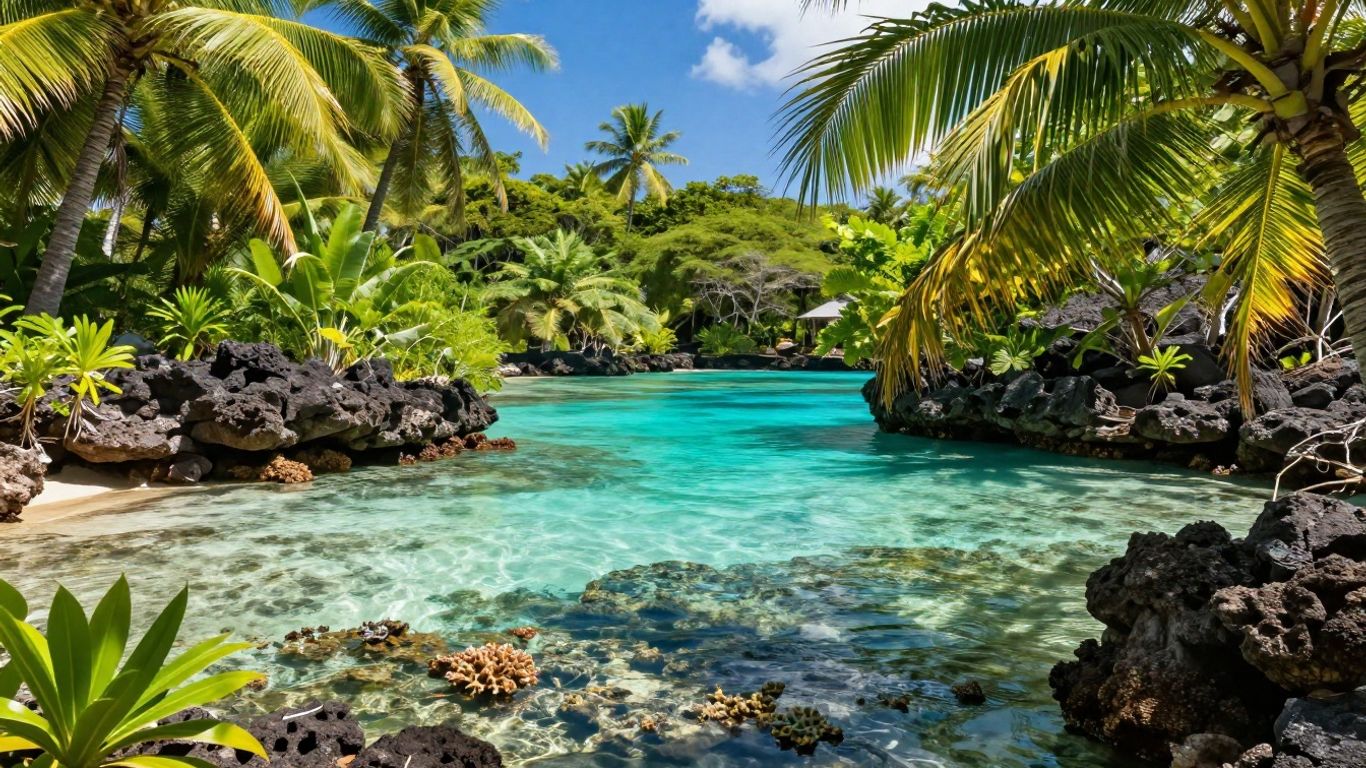
Fiji is way more than just pretty beaches and fancy hotels, you know? Under the water, it’s like a whole other world. We’re talking about massive stretches of coral reefs, like over 4,000 square miles of them, spread out around more than 300 islands. It’s pretty wild and makes for some awesome island hopping with tons of chances to just jump in and see the underwater sights. Whether you’re into chilling in calm lagoons or exploring deep coral walls, there’s something for everyone, no matter your skill level. The weather is nice pretty much all year, and the water is usually super clear, so any time is a good time to check out these amazing Fiji coral reefs.
Key Takeaways
The Rainbow Reef is famous for its incredibly colorful soft corals, earning it the title of soft coral capital of the world’.
The Great Astrolabe Reef offers a mix of hard and soft corals, and is one of the longest barrier reefs globally.
Beqa Lagoon is a huge barrier reef system, known for abundant marine life and even opportunities to see sharks.
Namena Marine Reserve is a remote spot with vibrant coral gardens and pinnacles, often accessed by liveaboard boats.
The Mamanuca and Yasawa Islands offer calm, clear waters perfect for beginners and families wanting to explore Fiji coral reefs.
1. Rainbow Reef
The Rainbow Reef, located in the Somosomo Strait between Taveuni and Vanua Levu islands, is often called the soft coral capital of the world, and for good reason. It’s a place where the underwater world explodes with color, truly living up to its name. Imagine swimming through gardens of soft corals in every shade imaginable, swaying gently in the current. It’s a sight that genuinely takes your breath away.
This reef system is famous for its vibrant soft corals, but it also hosts an incredible diversity of marine life. You can expect to see schools of tropical fish darting through the coral, from tiny, colorful anthias to larger species. Keep an eye out for clown triggerfish and nudibranchs hiding amongst the coral formations. If you’re lucky, you might even spot reef sharks or barracuda patrolling the deeper sections.
The health and vibrancy of the soft corals here are directly influenced by the water current. When the current is just right, the corals unfurl and put on a spectacular display. If the current is too strong or absent, they tend to retract.
Here are a few highlights you might encounter:
It’s a truly dramatic and unforgettable experience.
The Zoo: As the name suggests, this area is teeming with life. It’s part of the larger Rainbow Reef system and offers a fantastic opportunity to see a wide variety of fish and corals.
Various soft coral gardens: Throughout the reef, you’ll find numerous spots where the soft corals are particularly dense and colorful, creating a mesmerizing underwater landscape.
Exploring the Rainbow Reef is an experience that stays with you long after you’ve returned to shore. The sheer density of color and life is astounding, making it a must-visit for anyone who appreciates the beauty of the ocean.
2. Great Astrolabe Reef
When you think of Fiji’s underwater world, Kadavu Island and its Great Astrolabe Reef should definitely come to mind. This massive reef system, stretching for about 100 kilometers, is a real gem, especially if you’re into hard corals. It’s not just about the corals, though; the reef has these cool steep walls that are covered in soft corals, creating a really dramatic scene.
The Great Astrolabe Reef is the fourth-largest barrier reef globally, offering a vast and diverse underwater landscape. It’s a place where you can see a huge range of colors, from the vibrant hard corals forming the reef’s structure to the softer, flowing corals clinging to the walls. It’s a spot that many people consider a must-see when they visit Fiji.
Here’s a little of what you can expect:
Diverse Coral Formations: From intricate hard corals that build the reef’s foundation to the swaying soft corals that add color and movement to the walls.
Abundant Marine Life: Expect to see a wide variety of fish and other sea creatures that call this reef home.
Stunning Underwater Scenery: The combination of the reef’s structure and the marine life creates breathtaking views.
This reef is known for its pristine condition, offering a glimpse into a healthy marine ecosystem that’s a joy to explore. The sheer scale of it means there’s always something new to discover, whether you’re just starting out or have been exploring reefs for years.
3. Beqa Lagoon
Just a short boat trip from Pacific Harbour on the main island of Viti Levu, Beqa Lagoon is a massive barrier reef system that’s pretty easy to get to. It’s one of those places that feels both accessible and wild at the same time. The lagoon itself is huge, stretching for miles, and it’s packed with all sorts of marine life.
What’s cool about Beqa Lagoon is that it’s known for its healthy coral and a good variety of fish. You can find spots with calm, shallow waters perfect for just floating and looking around, and then there are other areas that offer a bit more excitement with gentle currents. It’s a great spot if you’re not sure what to expect or if you’re bringing along people who are new to exploring underwater.
One of the big draws here, and something you’ll hear people talk about, is the chance to see sharks. Beqa Lagoon is famous for its shark encounters, and while it sounds intense, it’s usually done in a controlled way with experienced guides. It’s definitely an experience that stands out.
Vibrant Coral Gardens: Expect to see a good mix of hard and soft corals in various colors. These provide homes for countless smaller fish.
Diverse Fish Species: Keep an eye out for schools of colorful reef fish, angelfish, butterflyfish, and maybe even some larger pelagics.
Shark Encounters: For the adventurous, guided shark dives offer a unique opportunity to observe species like bull and tiger sharks in their natural environment.
Hookah Snorkeling: Some operators offer a unique hookah snorkeling’ experience, where you have a continuous air supply from the surface, allowing for longer exploration without traditional scuba gear.
Beqa Lagoon offers a fantastic blend of accessibility and natural wonder. It’s a place where you can have a relaxed snorkel or seek out more thrilling encounters, all within a protected and vibrant marine environment.
4. Namena Marine Reserve
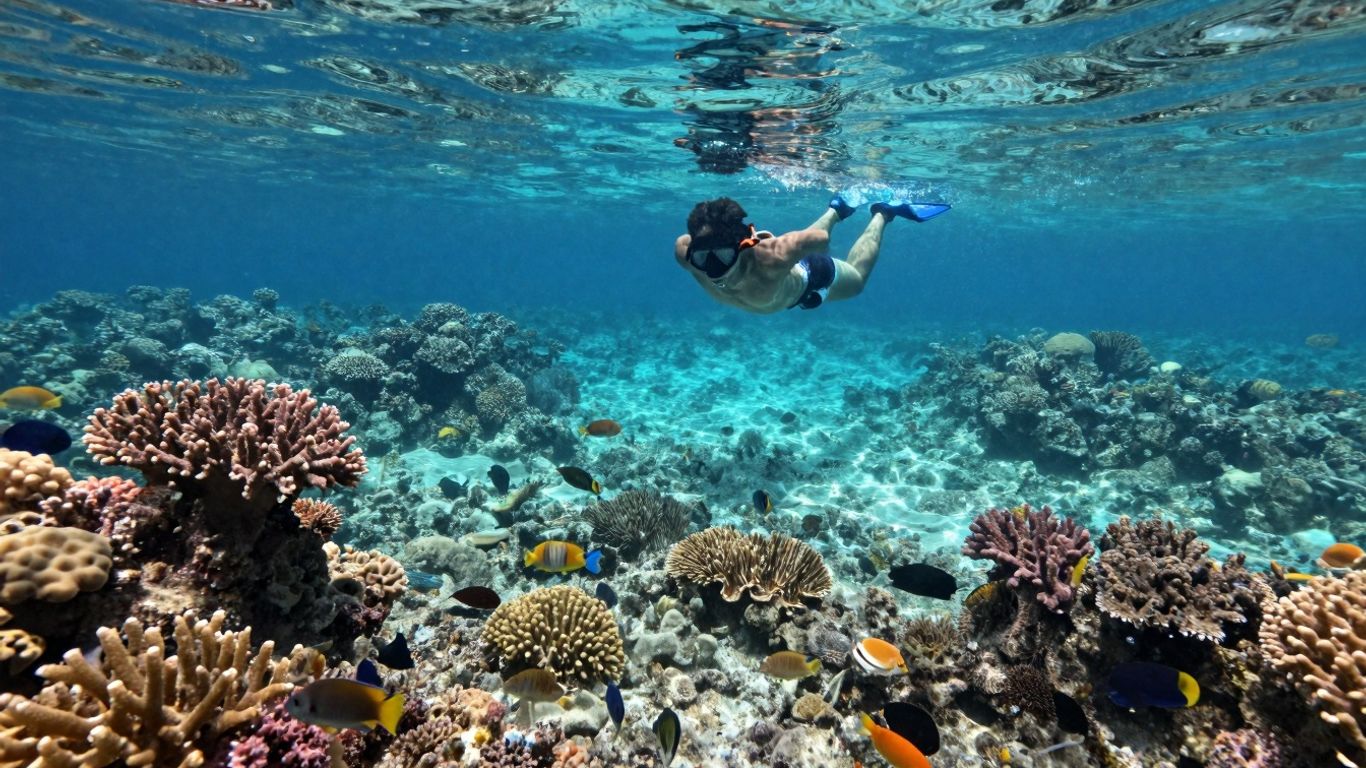
Just off the southern coast of Vanua Levu lies the Namena Marine Reserve, a protected area that’s been off-limits to fishing since 1997. This ban has really helped the place bounce back, making it a haven for over 1,100 different kinds of fish, and yes, that includes sharks! It’s a pretty big spot, covering about 11,000 acres of pristine ocean.
Getting there usually means booking a trip with a local tour operator, often arranged through your accommodation on Vanua Levu or in Savusavu. The reserve is spread across many different spots, so you’ll find areas with varying water depths and currents. This means there’s likely a suitable experience for most people, whether you’re just starting out or have been exploring underwater for a while.
The reserve is a fantastic example of what happens when an ecosystem is given a chance to recover.
Here’s a quick look at what makes Namena special:
Biodiversity: Home to more than 1,100 species of fish.
Conservation: A fully protected Marine Protected Area since 1997.
Wildlife Sightings: Potential for seeing sharks and even humpback whales.
Visiting Namena is a chance to witness a thriving underwater world. The protection it receives has allowed the coral and marine life to flourish, creating a vibrant and healthy environment for all sorts of creatures.
5. Great Sea Reef
Stretching for over 120 kilometers, the Great Sea Reef, or Cakaulevu as it’s known locally, is Fiji’s longest barrier reef and the third-longest in the world. This massive underwater structure is located off the northern coast of Vanua Levu and is a truly wild and less-explored gem.
It’s a place where you can feel like you’ve stumbled upon a secret underwater world. The sheer scale of the reef means it supports an incredible diversity of marine life. You’re likely to see large pelagics cruising by, alongside schools of vibrant reef fish. Keep an eye out for giant wrasse, various species of reef sharks, and the brilliantly colored parrotfish that munch away on the coral.
What makes the Great Sea Reef particularly special is its relative remoteness. This means fewer crowds and a more pristine environment for the corals and the creatures that call them home. The reef system is complex, offering a variety of underwater topography to explore, from gentle slopes to dramatic drop-offs.
Here’s a glimpse of what you might encounter:
Abundant Fish Life: Expect to see large schools of fusiliers, damselfish, and angelfish.
Larger Marine Animals: Sightings of reef sharks, eagle rays, and even manta rays are possible, especially in certain channels.
Diverse Coral Formations: While not as famous for soft corals as some other Fijian sites, the Great Sea Reef boasts healthy hard coral gardens and a variety of sponges.
Exploring the Great Sea Reef feels like stepping back in time to a more untouched marine environment. The sheer size and health of this reef system are a testament to its protected status and the dedication of local communities.
Access to the Great Sea Reef is typically arranged through liveaboard trips or day excursions from resorts on Vanua Levu. Because it’s so extensive, different sections offer slightly different experiences, so discussing your interests with your tour operator is a good idea.
6. Somosomo Strait
The Somosomo Strait, a narrow passage separating Taveuni and Vanua Levu islands, is a true gem for anyone looking to experience Fiji’s underwater wonders. It’s often mentioned in the same breath as the famous Rainbow Reef, and for good reason. This strait is a dynamic marine environment, shaped by currents that bring life and color.
The Great White Wall is the undisputed star here. Imagine descending and entering a cave, its interior teeming with healthy corals. But the real magic happens when you emerge. You’re met with a sheer drop, a vertical canvas completely blanketed in brilliant white corals. It’s a breathtaking sight, with schools of tiny, colorful fish darting through the foreground, creating a stark and stunning contrast against the white backdrop. It’s the kind of place that leaves you speechless.
’ True to its name, this area is a bustling hub of marine activity. When the currents are just right – not too strong, not too weak – the soft corals here really put on a show. They sway and extend, reaching for nutrients in the water. If the current dies down, they retract, a fascinating natural response.
Here’s what you might encounter in the Somosomo Strait:
Vibrant Soft Corals: Expect an explosion of color, from deep reds and oranges to bright greens and purples, especially when the currents are flowing.
Diverse Marine Life: Keep an eye out for nudibranchs, clown triggerfish, barracuda, and various reef sharks.
Unique Formations: Sites like the Great White Wall offer dramatic underwater topography that’s truly memorable.
The interplay of currents and coral health in Somosomo Strait creates an environment that is both visually spectacular and ecologically rich. It’s a place where the ocean’s energy is palpable, bringing life to the reef in a way that’s captivating to witness.
Visiting the Somosomo Strait is an experience that showcases the raw beauty and vitality of Fiji’s coral ecosystems. It’s a must-see for anyone passionate about the underwater world.
7. Taveuni Island
Taveuni Island, often called the "Garden Island" of Fiji, is a real gem for anyone looking to experience some of the most vibrant underwater scenes. It’s not just about the coral, though; the island itself is lush and green, with waterfalls and rainforests adding to its charm. But let’s talk about what’s beneath the waves.
This island is a gateway to some truly spectacular spots, especially the famous Rainbow Reef, which is right in the Somosomo Strait between Taveuni and Vanua Levu. " You can imagine how colorful that is!
Here are a few highlights you might encounter around Taveuni:
The Great White Wall: This is probably the most famous spot. It’s a sheer drop-off covered in brilliant white soft corals, and it plunges quite deep. You’ll see schools of fish everywhere, making it a breathtaking sight.
The Zoo: As the name suggests, this place is teeming with life. It’s part of the Rainbow Reef system and is known for its incredible biodiversity. When the current is just right, the soft corals really put on a show.
Waitabu Marine Park: This area is managed by the local community and is a protected zone. It’s a great place to see healthy reefs and learn a bit about conservation efforts while enjoying the underwater scenery.
Getting to Taveuni usually involves a domestic flight from Nadi to Matei airport on the island. From there, you can find various places to stay, from simple guesthouses to more upscale resorts. Most of the best snorkeling and diving spots require a boat trip, and tour operators are readily available on the island.
The marine life here is incredibly diverse, with countless species of fish, invertebrates, and of course, the stunning corals. It’s a place where you can truly feel immersed in another world.
Whether you’re a seasoned snorkeler or just starting out, Taveuni offers an unforgettable experience. The water is generally clear, and the variety of sites means there’s always something new to discover.
8. Vatu-i-Ra Passage
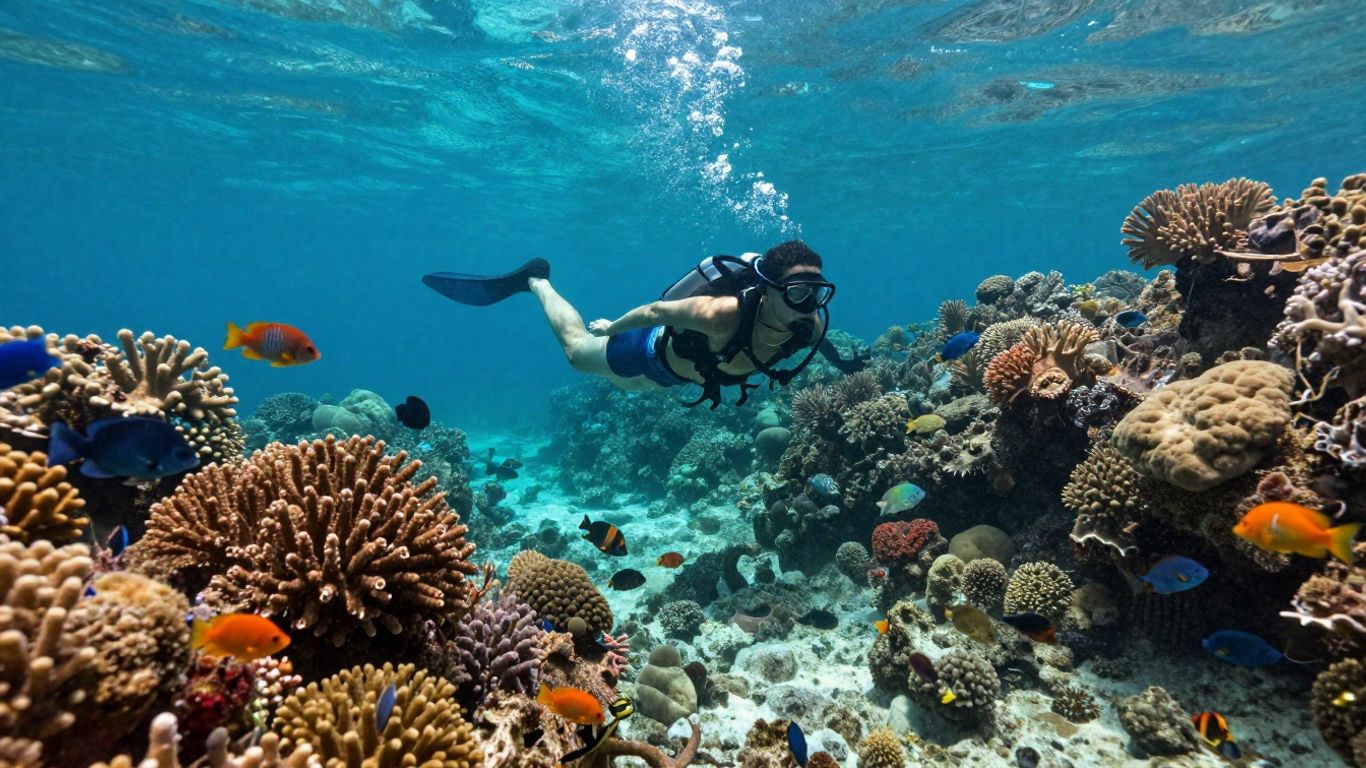
The Vatu-i-Ra Passage, situated in the Bligh Waters between Viti Levu and Vanua Levu, is a real gem for anyone looking to experience Fiji’s underwater world. It’s an ocean channel known for its incredibly vibrant corals, especially the striking purple and pink varieties, thriving in waters rich with nutrients. These conditions attract a huge variety of marine life, making it a hotspot for seeing everything from sharks and giant clams to graceful rays and sea turtles.
This area is part of the Vatu-i-Ra Conservation Park, which includes Vatu-i-Ra Island itself, dotted with fantastic spots for snorkeling. Tours are often organized from Rakiraki, making it accessible for many visitors.
The passage offers a range of depths and conditions, meaning there’s something for almost everyone, whether you’re just starting out or have been exploring reefs for years. It’s a place where the ocean really shows off its colors and life.
Here’s a quick look at what makes Vatu-i-Ra Passage special:
Vibrant Soft Corals: Famous for its stunning displays of soft corals in a rainbow of colors.
Abundant Marine Life: A feeding ground that draws in a diverse array of fish, sharks, rays, and turtles.
Whale Watching Opportunities: A migration route for humpback whales during specific months.
Conservation Focus: Protected as part of the Vatu-i-Ra Conservation Park, highlighting its ecological importance.
9. Mamanuca Islands
The Mamanuca Islands are a popular choice for a reason. Just a short boat ride from the mainland, this cluster of islands offers a fantastic introduction to Fiji’s underwater world. You’ll find a good mix of calm, clear waters and vibrant coral gardens that are perfect for exploring.
Many resorts here have their own house reefs, meaning you can often just step off the beach and start snorkeling. If you’re looking for a resort island experience, places like Malolo Island are well-known for their accessible reefs. It’s a great spot for families or anyone who wants a relaxed snorkeling trip without too much fuss. You can expect to see a good variety of fish and corals, and sometimes even sea turtles or reef sharks.
The Mamanucas are a great starting point for experiencing Fiji’s marine life. The islands are well-connected, making it easy to get around and explore different spots. Whether you’re a beginner or have some experience, there’s something here for everyone.
Here are a few things you might encounter:
Various types of coral, from hard branching ones to softer, swaying varieties.
Schools of colorful tropical fish darting through the water.
Occasional sightings of larger marine life like rays or small reef sharks.
Getting to the Mamanucas is pretty straightforward, often involving a ferry service from Denarau Marina. This makes them an easy addition to any Fiji honeymoon itinerary or a standalone destination for a few days of sun and sea.
10. Yasawa Islands
The Yasawa Islands are a string of about 20 volcanic islands that lie to the west of Fiji’s main island, Viti Levu. This chain offers a more remote feel compared to some other Fijian destinations, which can mean fewer crowds and a more laid-back experience. Many resorts here have their own house reefs, making it super convenient to just step off the beach and start exploring.
The journey itself is scenic, giving you a preview of the stunning islands to come. Once you’re there, you’ll find a range of accommodations, from luxury spots to more budget-friendly hostels.
Here are a few highlights you might encounter:
It’s a truly amazing sight.
Sawa-i-Lau Caves: These are natural limestone caves with arches and lagoons. Boat tours often include stops here for snorkeling and swimming, and the acoustics inside are pretty wild.
House Reefs: Almost every island and resort boasts a house reef. These are fantastic for easy access snorkeling right from shore, and you can often see a good variety of fish and corals without needing a boat.
While house reefs are great, don’t shy away from boat trips to nearby spots. Sometimes, the best-preserved reefs are just a short trip away. You might even spot unique species like the Fiji anemonefish here. It’s a place where you can really get a feel for authentic island life and enjoy what they call Fiji time’ at your own pace. The clear waters and vibrant marine life make it a memorable stop on any Fijian adventure.
Your Fijian Underwater Adventure Awaits
So, there you have it – a glimpse into the incredible underwater world that Fiji has to offer. From the vibrant soft corals of the Rainbow Reef to the majestic manta rays gliding through the Namena Marine Reserve, these islands truly are a treasure trove for anyone who loves the ocean. Whether you’re a seasoned snorkeler or just dipping your toes in for the first time, Fiji welcomes you with clear, warm waters and a kaleidoscope of marine life. Remember, the best time to visit is often during the drier months for the clearest views, but honestly, Fiji’s reefs are stunning year-round. So pack your gear, or just your sense of wonder, and get ready to explore the magic that lies beneath the surface. You won’t be disappointed.
When is the best time to go snorkeling in Fiji?
Fiji is a fantastic place for snorkeling all year round! The water stays warm, usually around 79°F (26°C).
What kind of coral can I expect to see in Fiji?
Fiji is famous for its incredibly colorful soft corals, earning it the nickname soft coral capital of the world. You’ll also see a wide variety of hard corals, creating vibrant underwater gardens teeming with life.
What marine life is common in Fiji’s reefs?
Get ready for an amazing show! You can see all sorts of fish, like clownfish, angelfish, and butterflyfish. Keep an eye out for larger creatures too, such as sea turtles, reef sharks, and even manta rays in certain areas. It’s a diverse underwater world!
Do I need to be an expert swimmer to snorkel in Fiji?
Not at all! Many spots in Fiji are perfect for beginners, with calm, shallow waters right off the beach. If you’re more adventurous, there are also deeper reefs and areas with currents that might be better suited for those with more experience.
How do I get to the best snorkeling spots?
Many resorts have their own house reefs that you can snorkel right from the shore. For other amazing locations, you can take boat trips organized by your accommodation or a local tour operator. This is a great way to explore different reefs and see more!
Are there any specific reefs known for unique marine life?
Absolutely! For instance, the Manta Ray Passage is a prime spot to see majestic manta rays glide through the water. Beqa Lagoon is famous for shark diving, and places like The Zoo’ in Somosomo Strait are known for their incredible variety of fish and corals.
What should I bring for a snorkeling trip in Fiji?
Besides your swimsuit, you’ll want reef-safe sunscreen to protect the corals, a hat, sunglasses, and a waterproof camera to capture the amazing sights. Most tours provide snorkeling gear, but if you have your own mask and snorkel, you might prefer to use those.
Is it possible to snorkel near the main island, Viti Levu?
Yes, you can! Viti Levu, Fiji’s main island, offers convenient snorkeling options. Areas like Natadola Bay provide great shore snorkeling, and Beqa Lagoon is easily accessible for those wanting to explore a massive barrier reef system.
Confirm current details
Confirm current schedules, prices, availability, conditions and local guidance directly with the responsible official source or provider before making a nonrefundable plan.