
Planning a trip to Fiji and hoping to spot some amazing birds? You’ve come to the right place. Fiji is home to some really unique bird species, and exploring its natural beauty is a fantastic way to see them. We’ve put together a list of some of the best Fiji birding trails that should be on your radar. Whether you’re a seasoned birder or just enjoy nature, these spots offer a great chance to connect with Fiji’s feathered residents.
Key Takeaways
Taveuni Island, often called the Garden Isle,’ is a top spot for birdwatching, with places like Des Voeux Peak and Vidawa Rainforest Trail offering chances to see endemic species like the Orange Dove and Silktail.
Bouma National Heritage Park on Taveuni is a large area with over 100 bird species, perfect for combining hiking with birding, especially near its famous waterfalls.
Kadavu Island is considered Fiji’s birdwatching capital, with the Naikorokoro Cascades Trail being a good route into the rainforest to find native birds such as the Fiji Goshawk and Collared Lory.
Waisali Rainforest Reserve on Vanua Levu is another excellent location for spotting endemic birds, including the Ground Dove and Black-faced Shrikebill, within its dense jungle.
Exploring areas like Colo-i-Suva and Waivudawa on Viti Levu can yield sightings of species like the Long-legged Warbler and Pink-billed Parrotfinch, offering good birding opportunities close to urban centers.
1. Vidawa Rainforest Trail
The Vidawa Rainforest Trail, located on Taveuni Island, offers a fantastic opportunity to immerse yourself in Fiji’s lush interior while keeping an eye out for its unique birdlife. This hike is part of the larger Bouma National Heritage Park, which protects a significant portion of the island’s natural beauty. The trail itself can be a bit of a workout, so be prepared for some uphill sections.
As you make your way through the dense rainforest, listen for the calls of various bird species. You might spot the vibrant Red Shining Parrot, the delicate Parrot Finch, or the striking Crowned Flycatcher. Keep your eyes peeled, as rarer sightings like the Orange Dove and the elusive Silktail are also possible here. The trail eventually leads to a beautiful waterfall, providing a refreshing spot to rest and perhaps catch a glimpse of birds flitting around the water.
Here’s what you might encounter:
Flora: Expect to see a wide variety of tropical plants, ferns, and towering trees that create a dense canopy.
Fauna: Beyond birds, the rainforest is home to various insects and small creatures.
Scenery: The trail culminates at a picturesque waterfall, perfect for a break.
This trail is a great way to experience the natural environment of Taveuni. It’s recommended to arrange for a guide beforehand, especially if you’re keen on spotting specific species and learning more about the local ecosystem. The effort is well worth the reward of experiencing this vibrant habitat.
2. Des Voeux Peak
Reaching the summit of Des Voeux Peak on Taveuni Island offers a truly rewarding experience for any birdwatcher. This peak, the second highest on the island, is a prime spot for spotting some of Fiji’s unique avian residents. The journey itself is part of the adventure, often requiring a four-wheel-drive vehicle to get close to the top, followed by a walk from a locked gate.
The effort is well worth it for the chance to witness endemic species in their natural habitat. Keep an eye out for the striking Orange Dove, the distinctive Barking Pigeon, and the melodious Island Thrush. Birding here can be quite productive, with opportunities to see species like the Lesser Shrikebill and various fruit-doves.
Here are some of the birds you might encounter:
Orange Dove
Barking Pigeon
Island Thrush
Lesser Shrikebill
Many-coloured Fruit-dove
Golden Dove
The higher elevations of Des Voeux Peak provide a different environment compared to the coastal areas, attracting specific bird species that thrive in these montane forests. The views from the top are also spectacular, giving you a broad perspective of the island.
Planning your trip to Des Voeux Peak is best done in advance, perhaps by arranging transport the day before. The early morning is often the best time for bird activity. While the peak itself is a highlight, the surrounding areas of Taveuni also offer excellent birding opportunities, making it a fantastic destination for a dedicated birding excursion.
3. Bouma National Heritage Park
Bouma National Heritage Park on Taveuni Island is a massive protected area, covering about 80% of the island. It’s a fantastic spot for birdwatchers, with over 100 different bird species calling this place home. The park is known for its pristine landscapes and is a great example of conservation efforts in Fiji.
If you’re looking to combine birding with some stunning scenery, this park is the place to be. You can explore various trails that wind through the lush rainforest.
Here are a few highlights you might encounter:
Red Shining Parrots: Often seen flitting through the trees.
Parrot Finches: Small and active, they add a lively presence.
Crowned Flycatchers: Keep an eye out for their distinctive calls.
Turtle Doves: A common sight in the quieter parts of the forest.
For those really keen, there’s a chance to spot rarer birds like the orange dove and silktails.
The park’s extensive size means there’s a lot to explore, offering a genuine sense of discovery for visitors. It’s a place where nature truly takes center stage.
One of the most popular activities is walking the Vidawa Rainforest Trail, which leads to beautiful waterfalls. It’s a perfect opportunity to see birds in their natural habitat and maybe even take a refreshing dip in a waterfall pool. The north side of Taveuni offers convenient access to these attractions, making it a popular choice for visitors. You can find more information about visiting Bouma National Heritage Park . Planning your trip to this side of the island can make accessing these natural wonders much easier, as noted for the North Taveuni area .
4. Waisali Rainforest Reserve

Located on Vanua Levu, Fiji’s second-largest island, the Waisali Rainforest Reserve is a fantastic spot for birdwatchers. This expansive rainforest covers rolling hills just outside Savusavu, creating a lush habitat for countless bird species, including many that are found nowhere else. Keep an eye out for the friendly ground dove as it walks along the paths, or the black-faced shrikebill. The long-legged warbler also calls this jungle home.
The dense canopy can hide some of Fiji’s rarer avian residents. Look up to spot the orange dove, the red shining parrot, the collared lory, and the orange-breasted myzomela. The Fiji white-eye, with its green feathers, blends in well with the leaves, making it a bit trickier to find.
Here are some birds you might encounter:
Fiji ground dove
Black-faced shrikebill
Long-legged warbler
Orange dove
Red shining parrot
Collared lory
Orange-breasted myzomela
Fiji white-eye
The reserve offers a glimpse into a vibrant ecosystem, with trails that wind through the dense vegetation. While the hike can be a bit challenging, it’s a rewarding experience for anyone interested in the local plant life and the birds that inhabit this protected area. It’s easily accessible from the main road between Savusavu and Labasa.
5. Naikorokoro Cascades Trail
The Naikorokoro Cascades Trail offers a refreshing escape into Fiji’s lush interior, a place where the sounds of nature take center stage. This trail, while not as extensively documented as some of the larger national parks, provides a more intimate birding experience. It’s a chance to connect with the local flora and fauna in a setting that feels wonderfully untouched.
The journey to the cascades is as rewarding as the destination itself, with opportunities to spot native bird species along the way. The path winds through verdant rainforest, where the air is thick with the scent of damp earth and tropical blossoms. Keep an eye out for common Fijian species, and if you’re fortunate, you might catch a glimpse of more elusive residents.
Here’s what you might encounter on this trail:
Avian Life: While specific endemic lists for this exact trail are scarce, the surrounding forest is known to host a variety of forest birds. Listen for the calls of fruit doves, honeyeaters, and various smaller passerines that thrive in this habitat.
Flora: Expect to see a rich diversity of plant life, including large ferns, native trees, and flowering plants that create a vibrant backdrop for birdwatching.
The Cascades: The trail culminates at the beautiful Naikorokoro Cascades, a perfect spot to rest, enjoy the scenery, and listen for birdsong echoing through the trees.
This trail is a good option for those looking for a less crowded birding spot. The moderate difficulty means it’s accessible for most visitors, and the natural beauty is undeniable.
Getting to the trailhead might require local advice, as it’s often accessed via smaller roads. It’s a good idea to inquire locally about the best way to reach the starting point and any local guides who might be familiar with the area’s birdlife.
6. Sovi Basin Protected Area
Tucked away on Fiji’s Coral Coast, the Sovi Basin Protected Area is a large, wild space characterized by its steep volcanic mountains and dense jungle. It’s a place where nature really takes center stage, offering a fantastic opportunity for birdwatchers to immerse themselves in a truly natural Fijian environment. The terrain can be a bit challenging, with its rugged slopes, but the rewards for those willing to explore are significant.
This area is known to be a habitat for several interesting bird species. Keep your eyes peeled and your ears open for the long-legged warbler, often found perched among the branches high above. You might also spot the friendly ground dove, a bird that seems quite at home on the forest floor. One of the real highlights here is the red-throated lorikeet; its bright colors make it a striking sight against the green backdrop of the forest canopy.
The Sovi Basin is a vital sanctuary for native birdlife, preserving a piece of Fiji’s natural heritage.
Here are a few things to keep in mind when planning a visit:
Accessibility: Trails can be rugged, so sturdy footwear is a must. The steepness of the terrain means it’s best suited for those who are reasonably fit.
Best Times to Visit: Early mornings and late afternoons are generally the most active times for birds. The light is also often best for photography during these periods.
What to Bring: Besides good shoes, pack water, insect repellent, and binoculars. A field guide to Fijian birds would also be very helpful.
Exploring the Sovi Basin offers a chance to connect with Fiji’s wilder side, away from the more developed tourist spots. It’s a place that rewards patience and a keen eye, providing a genuine sense of discovery for any bird enthusiast.
7. Waivudawa
Waivudawa, located on Viti Levu, offers a different kind of birding experience, often overlooked compared to the larger national parks. This area is known for its mix of forest and coastal habitats, making it a spot where you might find a variety of species.
While not as extensively documented as some other locations, Waivudawa provides a more intimate setting for observing Fiji’s avian life. The trails here can be less maintained, which adds to the feeling of discovery. Keep an eye out for common species like the Fiji Goshawk or various honeyeaters that frequent the more open areas.
Here’s what you might encounter:
Habitat Variety: Expect a blend of coastal scrub, light woodland, and sometimes mangrove edges, attracting different types of birds.
Potential Sightings: While specific endemic lists are scarce, the general birdlife of Viti Levu is present, including various flycatchers, warblers, and seabirds if you are near the coast.
Accessibility: Access can vary, and it’s wise to check locally for the best entry points and any specific conditions before you go.
Exploring areas like Waivudawa allows for a more personal connection with the natural environment, away from the more structured tourist paths. It’s a place where patience is often rewarded with quiet observations of local wildlife.
It’s a good spot for those who enjoy a bit of an adventure and are keen to explore beyond the well-trodden paths. The sounds of the forest and the occasional flash of color are what make places like Waivudawa special for birdwatchers.
8. Colo-i-Suva
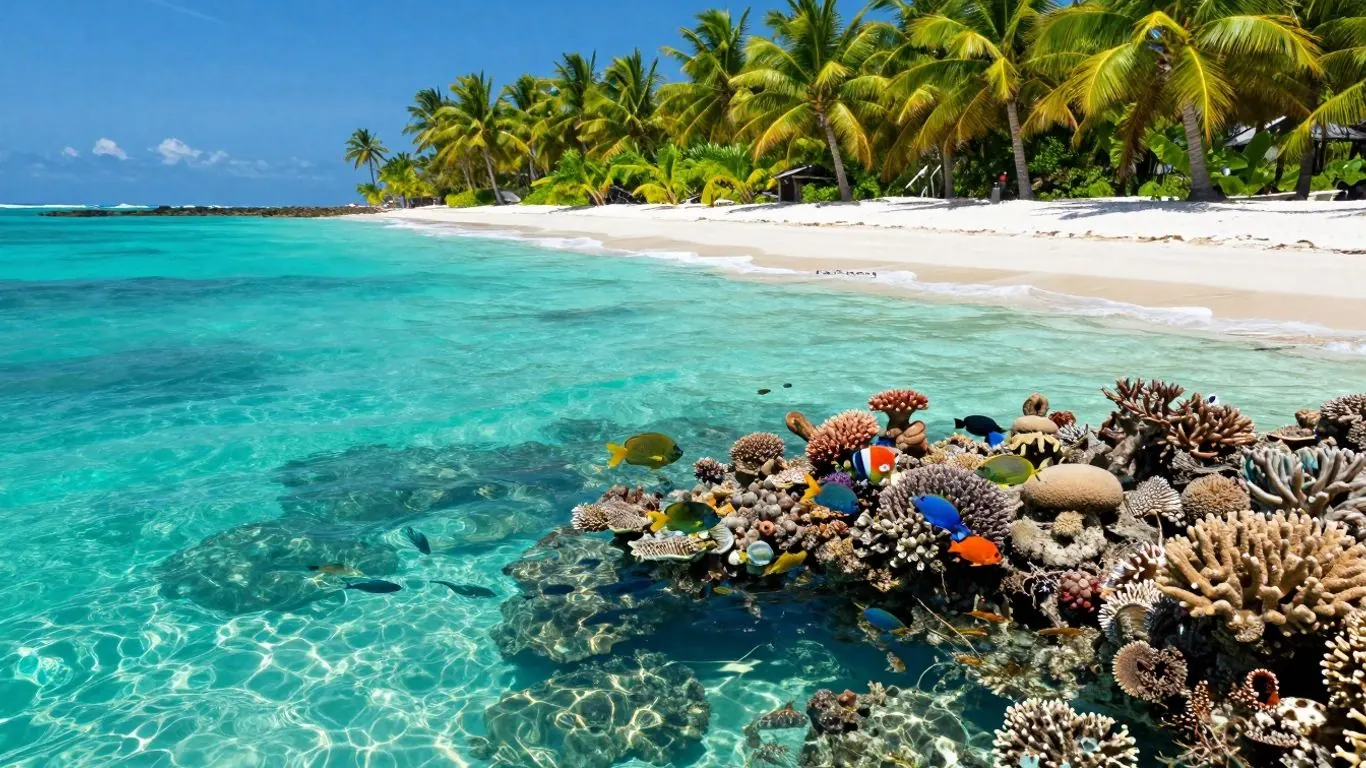
Just a short drive from Suva, Colo-i-Suva Forest Park offers a refreshing escape into Fiji’s natural beauty. This area, once a true lowland rainforest, has been managed by the Department of Forestry and now features interplanted mahogany alongside native flora. It’s a great spot for a quick nature fix, especially if the weather isn’t cooperating for longer excursions on Viti Levu short, accessible forest walks .
While not as extensive as some other reserves, Colo-i-Suva provides accessible trails that wind through the forest. You might hear the calls of various bird species, though spotting them can be a bit of a treasure hunt. The park’s location in the upper drainage area of the Waisila catchment means it’s a vital part of the local ecosystem.
The park is a pleasant place to spend a few hours, offering a glimpse into Fiji’s forest environment without requiring a major time commitment.
Here’s what you can expect:
Trails: Well-maintained paths suitable for casual walking.
Flora: A mix of native trees and mahogany plantations.
Wildlife: Opportunities to see local birdlife and insects.
Atmosphere: A peaceful, green environment perfect for a break from the city.
Colo-i-Suva is a convenient destination for birding enthusiasts looking for a less strenuous outing, providing a pleasant introduction to Fiji’s avian inhabitants and forest landscapes.
9. Qeleni
Qeleni, located on the northeastern tip of Taveuni Island, offers a more remote birding experience, away from the more developed areas. This region is known for its patches of native forest that still hold a good variety of Fiji’s endemic bird species. While not as formally managed as some other reserves, the local community’s connection to the land often means a willingness to share knowledge about the best spots.
The chance to spot the elusive Orange Dove and the Natewa Silktail makes Qeleni a target for dedicated birdwatchers. Reaching these areas can involve some planning, as access might require local guides or arrangements with landowners. The journey itself, often along unsealed roads, adds to the sense of adventure.
Here are a few things to keep in mind when planning a visit:
Accessibility: Trails can be rough and may require a 4WD vehicle. It’s wise to arrange transport and potentially a local guide in advance.
Best Times: Early mornings and late afternoons are generally the most active periods for birdlife.
Accommodation: Options are limited in Qeleni itself, so staying in nearby areas like Savusavu and making day trips might be more practical.
Venturing into the Qeleni area means embracing a bit of the unexpected. Arrangements might shift, and local customs play a part in how you explore. It’s a place where patience is rewarded, and the wild beauty of Fiji’s natural landscape is front and center.
10. Lavena Coast
The Lavena Coast on Taveuni Island offers a truly immersive natural experience, especially for those keen on birdwatching and exploring coastal trails. This area is part of the larger Bouma National Heritage Park, which protects a significant portion of Taveuni’s unique biodiversity. The Lavena Coastal Walk is a highlight, providing stunning ocean views and access to pristine rainforest.
This trail is well-maintained and offers a chance to see a variety of bird species in their natural habitat. As you walk, you’ll pass through lush vegetation, with opportunities to spot endemic birds. The path leads to beautiful waterfalls where you can take a refreshing dip.
Here’s what you might encounter along the Lavena Coast:
Birdlife: Keep an eye out for species like the Orange Dove, Collared Lory, and the elusive Taveuni Silktail, though spotting the latter requires patience and a bit of luck.
Scenery: Expect dramatic coastal vistas, dense rainforest interiors, and the soothing sounds of nature.
Waterfalls: Several cascades are accessible from the trail, offering perfect spots for a break and a swim.
When visiting villages in Taveuni, it’s important to be aware of cultural etiquette. Lavena village itself serves as a starting point for exploring these coastal walks and waterfalls, offering opportunities for interaction with local residents. Understanding the best seasons for your visit can greatly enhance the experience.
The journey along the Lavena Coast is more than just a walk; it’s an invitation to connect with Fiji’s natural beauty on a deeper level. The combination of accessible trails, diverse wildlife, and breathtaking landscapes makes it a memorable destination for any nature lover.
Your Fijian Birding Adventure Awaits
Fiji truly is a special place for anyone who loves birds. From the vibrant parrots and doves to the elusive silktails and goshawks, the islands offer a unique chance to see species found nowhere else. Whether you’re exploring the lush rainforests of Taveuni, the wilder landscapes of Vanua Levu, or the coastal areas of Kadavu, there’s always a new feathered friend to discover. So pack your binoculars, bring your sense of adventure, and get ready to experience the incredible birdlife that makes Fiji such a memorable destination. The islands are waiting to share their natural wonders with you.
What are the best times of year for birdwatching in Fiji?
While Fiji is great for birding year-round, the dry season, from May to October, is often considered ideal. During these months, the weather is usually pleasant, and many birds are actively feeding and nesting, making them easier to spot.
What kind of birds can I expect to see in Fiji?
Fiji is home to a wonderful variety of birds, including many unique ones you can’t find anywhere else, called endemics. You might see colorful parrots, pretty doves like the Orange Dove, busy honeyeaters, and majestic birds of prey like the Fiji goshawk. Keep an eye out for the special Silktail too!
Do I need special equipment for birdwatching in Fiji?
A good pair of binoculars is definitely helpful for spotting birds in the trees and from a distance. A field guide to Fijian birds can also help you identify what you’re seeing. Comfortable walking shoes are a must, as many trails involve hiking.
Are there guided birdwatching tours available?
Yes, many tour operators offer guided birdwatching trips across Fiji. These guides know the best spots and can help you find the most elusive species. Booking a tour can greatly increase your chances of seeing a wide range of birds.
What should I wear when going birdwatching on Fiji’s trails?
Lightweight, breathable clothing in neutral colors is best to help you blend in with nature. Long sleeves and pants can protect you from the sun and insects. Don’t forget a hat and sunscreen, and of course, comfortable, sturdy shoes for walking on trails.
Besides birds, what else might I see on these trails?
While birds are the main attraction, you’ll also experience Fiji’s stunning natural beauty. Expect to see lush rainforests, beautiful waterfalls, and maybe even some local wildlife like geckos or unique insects. The scenery itself is a big part of the adventure!