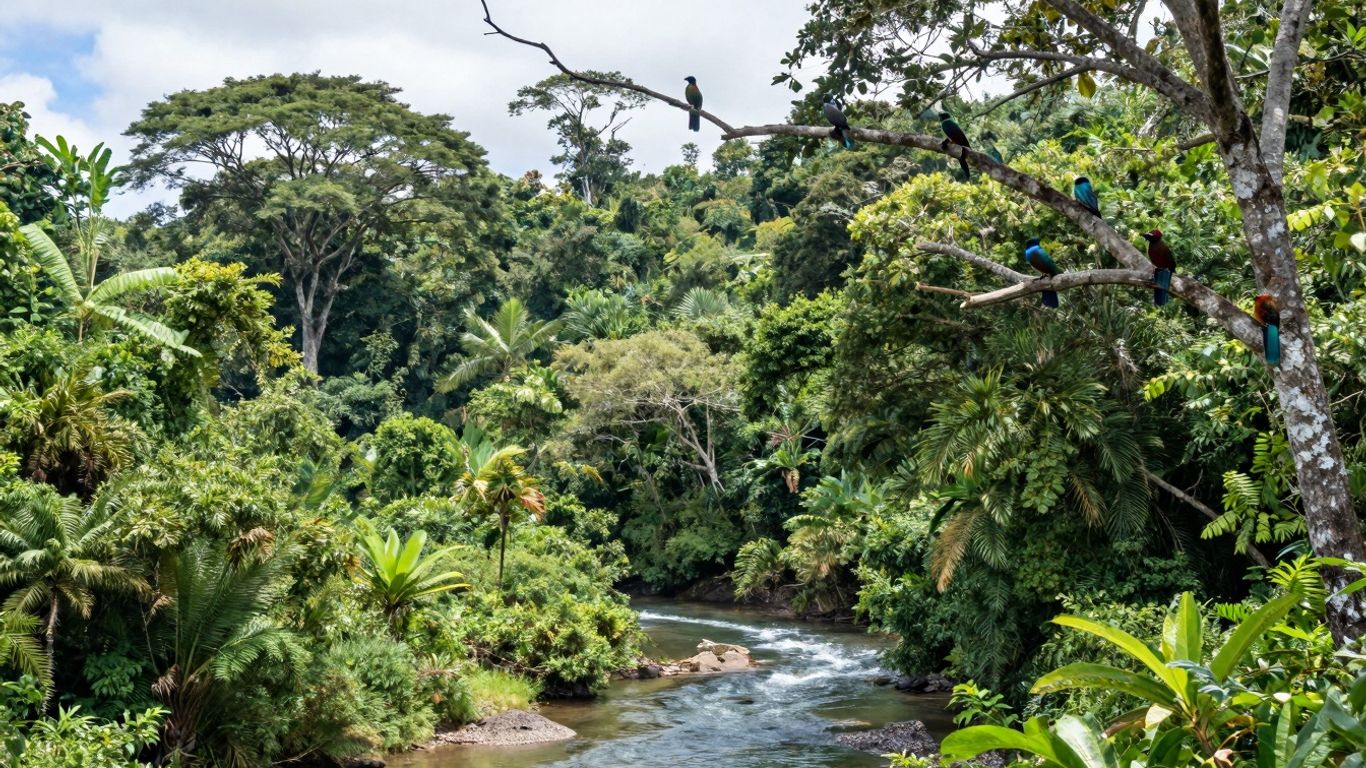
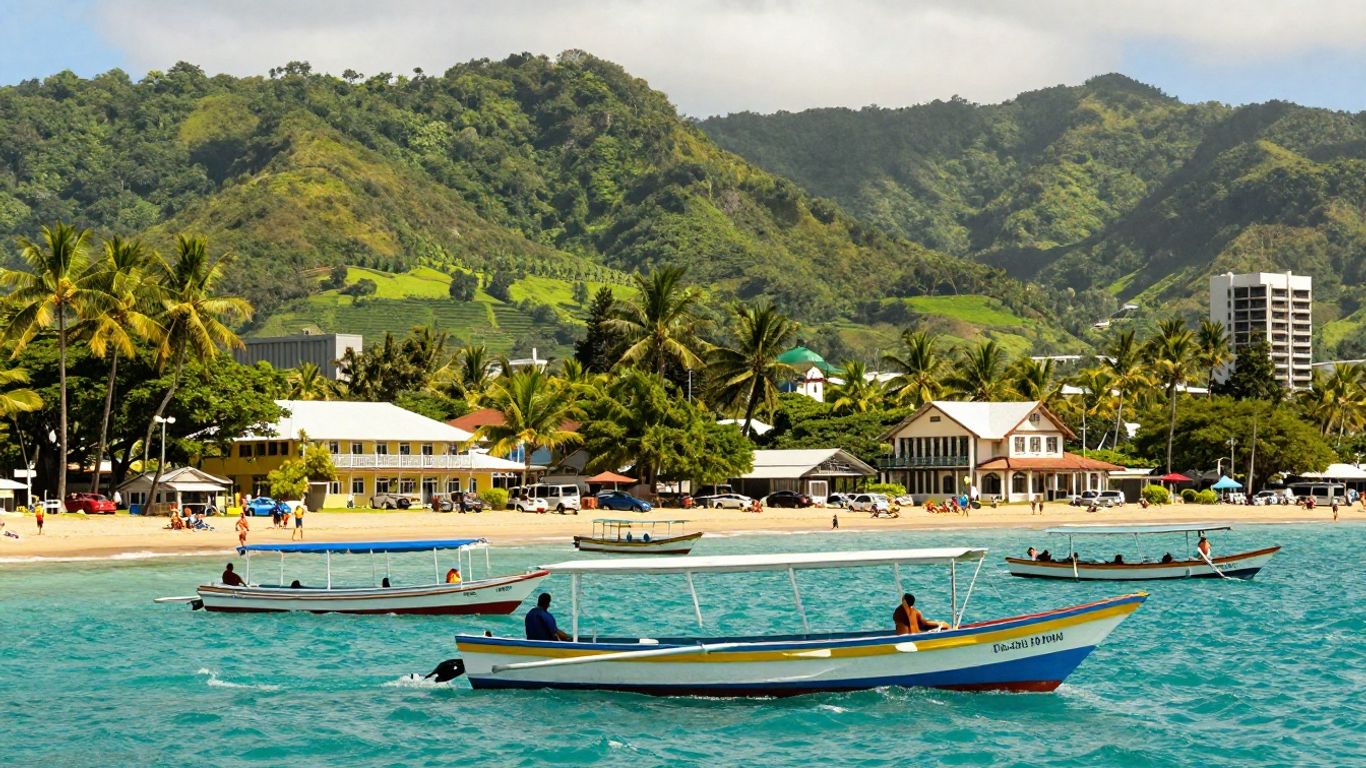
Thinking about a trip to Fiji? Beyond the beaches and blue water, there’s a whole other world waiting to be discovered: the birds. Fiji has some really unique feathered friends, and if you’re into spotting them, you’re in for a treat. We’re talking about birds you won’t find anywhere else. This guide will point you to the best spots for some Fiji bird watching, from big islands to smaller gems.
Key Takeaways
Fiji is home to many bird species found nowhere else on Earth, making it a special place for bird watching.
Viti Levu, Taveuni, and Kadavu are highlighted as top islands for seeing a variety of birds, including endemics.
Different islands offer unique birding experiences, from rainforest trails to coastal seabird colonies.
Key species to look out for include various parrots, doves, shrikebills, and the rare silktail.
Planning your trip with the right timing and gear can greatly improve your Fiji bird watching adventure.
The Allure of Fiji Bird Watching
Fiji, a scattering of islands in the vast South Pacific, holds a special kind of magic for anyone who loves birds. It’s not just about spotting pretty feathers; it’s about connecting with nature in a place that feels a world away. While Fiji might not boast the sheer number of species found in larger landmasses, what it lacks in quantity, it more than makes up for in uniqueness. Many of the birds you’ll find here are found nowhere else on Earth. This makes every sighting a little more significant, a chance to see something truly rare. The experience is a blend of peaceful observation and the thrill of discovery, all set against a backdrop of stunning tropical scenery. It’s a chance to slow down, listen to the calls of the wild, and appreciate the intricate beauty of these flying creatures in their natural homes.
Endemic Species: A Global Rarity
The real stars of Fiji’s birdwatching scene are its endemic species. These are birds that evolved in isolation on the islands, making them incredibly special. Think of them as Fiji’s own private collection of avian wonders. While the exact number can vary slightly depending on classification, Fiji is home to around 10-12 species that are found only within its borders. This is a significant number for an island nation and a major draw for bird enthusiasts worldwide. Seeing these birds isn’t just a tick on a checklist; it’s a glimpse into evolutionary history and a testament to the unique environments these creatures have adapted to. It’s a reminder of how isolated ecosystems can create something truly one-of-a-kind.
Beyond the Familiar: Hawks, Doves, and Falcons
When you think of Fiji’s birds, you might picture colorful parrots, and yes, they are certainly present and spectacular. But the avian landscape here is much richer. Keep an eye out for birds of prey like the Fijian Goshawk, a powerful hunter that patrols the forests and coastlines. You’ll also encounter a variety of doves, some with incredibly vibrant plumage, like the golden or orange doves, which are truly breathtaking. And for the truly lucky, there’s the chance to spot a Peregrine Falcon, the fastest animal on the planet, though they are not commonly seen. The diversity extends to other groups too, including various kingfishers, honeyeaters, and unique island-specific species that add layers of interest to any birding expedition.
Viti Levu: A Birdwatcher’s Primary Destination
Viti Levu, the largest island in Fiji, serves as the main gateway for most visitors and offers a surprisingly diverse range of birdwatching opportunities right from the start. While it might be the most populated island, its varied landscapes, from coastal areas to mountainous interiors, support a good number of Fiji’s unique avian residents. It’s a fantastic place to begin your birding adventure in the archipelago, providing accessible spots that don’t require extensive travel.
Viti Levu’s Rich Avian Diversity
This island is home to a significant portion of Fiji’s bird species, including several endemics that are sought after by birdwatchers. You can find a good mix of forest dwellers, coastal birds, and even some species that have adapted to living closer to human settlements. The island’s varied habitats mean you might spot different birds depending on whether you’re exploring the highlands or the coast. It’s a place where you can often see a good variety without needing to venture too far off the beaten path.
Key Species to Spot on Viti Levu
When exploring Viti Levu, keep an eye out for some of the island’s special birds. The Pink-billed Parrotfinch is a notable endemic, though it prefers undisturbed forests, making it a bit more challenging to find. You might also encounter the striking Yellow-breasted Musk Parrot and the Golden Dove. These species, along with others like the Long-legged Warbler, are highlights for many visiting birders. Remember that some introduced species, like the Indian Mynah, are also very common and easy to spot.
Here’s a quick look at some species you might encounter:
Endemics: Pink-billed Parrotfinch, Yellow-breasted Musk Parrot, Golden Dove, Long-legged Warbler.
Widespread Species: White-collared Kingfisher, various doves, and common mynahs.
Accessible Birding in Urban and Rural Settings
One of the great things about Viti Levu is that you don’t always need to go deep into the wilderness to see birds. Even around resorts and towns, you can spot common species. For more targeted birdwatching, areas like the Colo-i-Suva Forest Reserve, not far from Suva, offer excellent trails through lush rainforest. The interior highlands also provide opportunities to find forest birds. For those interested in coastal birdlife, areas along the coast can be productive, especially during certain times of the year. You can even find great snorkeling spots near the shore on Viti Levu, like Natadola Bay.
Viti Levu offers a balanced introduction to Fiji’s birdlife, combining accessible locations with the chance to see some of the country’s unique feathered inhabitants. It’s a practical starting point for any birdwatching trip to Fiji.
Taveuni: The Garden Isle’s Feathered Residents
Taveuni, often called the Garden Isle,’ truly lives up to its name when it comes to birdlife. This lush island, a massive shield volcano rising from the Pacific, is a haven for a surprising variety of birds. Its dense forests, clear streams, and wetlands create a perfect backdrop for spotting feathered friends, and it’s a place where you can combine birdwatching with exploring stunning natural beauty. The Bouma National Heritage Park alone covers a huge portion of the island, offering prime habitat for over 100 bird species.
Taveuni’s Lush Habitats for Birdlife
The island’s geography, from its mountainous interior to its coastal areas, supports diverse bird populations. The higher elevations, like those around Des Voeux Peak, are particularly good for spotting certain species. Even areas near towns can surprise you with avian activity. The island’s rich plant life provides ample food and shelter, making it a vibrant ecosystem.
Notable Species of Taveuni

When you’re exploring Taveuni, keep an eye out for some of its most celebrated residents. The Orange Dove is a real treat, known for its striking color. You might also spot the unique Taveuni Silktail , a bird once thought to be a bird of paradise, which is becoming rarer elsewhere. Other birds to look for include:
Red Shining Parrot
Crowned Flycatcher
Parrot Finch
White-collared Kingfisher
Exploring the Bouma National Heritage Park
This park is a must-visit for any bird enthusiast on Taveuni. It’s not just about the birds, though. You can walk the Vidawa Rainforest Trail, which leads to beautiful waterfalls. Along the trail, you’re likely to see many of the species mentioned above. Imagine cooling off in a waterfall pool while birds flit through the surrounding greenery! It’s a truly immersive experience. You can find great places to stay in Taveuni to make the most of your visit.
Birdwatching here is more than just ticking species off a list; it’s about connecting with a vibrant natural world. The sounds of the forest, the flash of color in the canopy, and the sheer abundance of life make Taveuni a special place for anyone who loves birds.
Kadavu: Fiji’s Undisputed Birdwatching Capital
If you’re serious about spotting some of Fiji’s most special birds, Kadavu is the place to be. This island, the largest in its group, feels a world away from the hustle and bustle, and that remoteness has kept its natural environment pretty pristine. It’s no wonder it’s often called Fiji’s birdwatching capital. You can find birds pretty much anywhere here, whether you’re just chilling by the coast or taking a kayak out. But for the best chances to see the really unique stuff, you’ll want to head into the rainforest.
Kadavu’s Rainforest and Coastal Birding
Kadavu’s rainforests are teeming with life, and a walk along trails like the Naikorokoro Cascades Trail is a great way to immerse yourself in the habitat. You’re likely to hear more than you see at first, with the distinctive calls of various species echoing through the trees. Keep an ear out for the "barking" sound of the Peale’s Pigeon, a bird you’ll only find in Fiji. The island’s coastal areas and mangrove fringes also offer fantastic opportunities, especially for spotting seabirds.
Endemic Birds of Kadavu
This island is particularly famous for having four bird species found nowhere else on Earth. Spotting these endemics is a major draw for birdwatchers visiting Fiji. These include:
Kadavu Shining Parrot: These are hard to miss with their bright blue, red, yellow, and green plumage flashing through the canopy.
Kadavu Honeyeater: Look for its distinctive green eye patch, which helps set it apart.
Kadavu Fantail: This little bird is a bit trickier to identify, but it lacks the three head spots found on similar fantail species.
Kadavu Whistling Dove: You’ll probably hear its whistling call before you see this well-camouflaged bird.
Beyond these four, you might also encounter other interesting land birds like the Fiji Goshawk and Barn Owls.
Seabird Spectacles at Yabu Island
Just a short trip from Kadavu lies Yabu Island, often nicknamed Birdland’. This small islet is a major hotspot for seabirds and is home to the largest booby rookery in Fiji. It’s an incredible place to witness large numbers of seabirds, including various species of shearwaters, petrels, terns, herons, and frigates. If you’re keen on seeing sea birds in action, Yabu Island is a must-visit.
Kadavu’s isolation has preserved a rich avian population, making it a top destination for bird enthusiasts seeking unique and endemic species. The combination of dense rainforest and abundant coastal life provides diverse habitats for a wide array of birds.
Vanua Levu: Exploring Savusavu’s Birding Delights
Vanua Levu, often called Fiji’s Hidden Paradise,’ offers a quieter, more laid-back birdwatching experience compared to its more famous counterparts. The area around Savusavu, nestled on the northern coast, is particularly rewarding for those seeking out Fiji’s unique avian residents.
Waisali Rainforest Reserve: A Birding Hotspot
The Waisali Rainforest Reserve is a prime location for birding on Vanua Levu. This protected area boasts a dense, mature rainforest that provides a perfect habitat for a variety of species. Walking the trails here, you’ll be surrounded by the sounds of the forest, with chances to spot some of Fiji’s endemic birds.
Black-faced Shrikebill: Keep an eye out for this elusive bird, often heard before it’s seen.
Fiji Bush Woodswallow: Look for these birds in the forest canopy.
Golden Whistler: A beautiful songbird that adds to the forest’s symphony.
The Waisali Rainforest Reserve is a testament to the importance of conservation efforts in preserving Fiji’s natural heritage. Its well-maintained trails make it accessible for most visitors, offering a genuine glimpse into the island’s rich biodiversity.
Key Species Found Near Savusavu
Beyond the Waisali Reserve, the broader Savusavu region offers several other species that are a treat for any birder. The coastal areas and smaller forest patches around the town are also worth exploring. You might encounter:
Barking Pigeon: Named for its distinctive call, this large dove is a common sight.
Orange Dove: While more commonly associated with Taveuni, sightings are possible here too.
White-collared Kingfisher: Easily recognizable by its striking blue plumage and white collar, often seen near water.
Guided Birdwatching Experiences
To truly make the most of your birding adventure in Savusavu, consider hiring a local guide. These individuals possess an intimate knowledge of the area and the habits of its feathered inhabitants. They can lead you to prime viewing spots and help identify species you might otherwise miss. Some resorts in the area, like Daku Resort, have even offered birdwatching packages in the past, sometimes accompanied by local guides who know the best spots. This can be a great way to learn about the local birdlife and support the community. Exploring the natural beauty of Vanua Levu can also include visits to stunning waterfalls like the Vuadomo Falls , where bird sightings are often an added bonus to the scenic hike.
Sovi Basin’s Volcanic Peaks and Jungle
The Coral Coast isn’t just about beaches; venture inland and you’ll find pockets of protected rainforest that are a haven for birdlife. The Sovi Basin, a significant protected area, offers a different kind of Fiji experience. Its volcanic origins have shaped a landscape of dense jungle and rugged terrain, creating diverse habitats that support a surprising number of bird species. It’s a place where the air is thick with the sounds of the forest, and if you’re quiet and patient, you might just spot some of Fiji’s more elusive feathered residents.
Birdlife Within the Sovi Basin Protected Area
This area is particularly noted for its importance in conserving Fiji’s native birds. While not as famous for endemics as Kadavu, the Sovi Basin still holds treasures. Keep an eye out for species like the Collared Lory, a vibrant parrot that flits through the canopy, and various fruit doves, whose colorful plumage can be a dazzling sight against the green foliage. The Fiji Goshawk might also be seen patrolling its territory. The forest floor and undergrowth can be home to ground-dwelling birds, though they are often shy.
Collared Lory: Often seen in small flocks, their bright colors make them stand out.
Fruit Doves: Several species can be found, including the Golden Dove and Orange Dove, though spotting them requires a keen eye.
Fiji Goshawk: A raptor that hunts in the forest clearings.
Fiji Whistler: Listen for its distinctive call echoing through the trees.
Coastal Birding Opportunities
Beyond the dense jungle of the Sovi Basin, the Coral Coast’s shoreline also presents birdwatching opportunities. Mangrove areas and coastal scrub can attract different species. Look for various seabirds, including terns and shorebirds, especially during migration periods or when foraging. The transition zones between forest and coast can also be productive, attracting birds that utilize both environments. The mix of forest and coastal habitats makes the Coral Coast a varied destination for birdwatchers.
While the Sovi Basin is a significant natural area, remember that access can sometimes be restricted or require local arrangements. Always check locally for the best ways to explore and respect the environment.
Parrots and Doves: Vibrant Hues and Calls
Fiji is home to some truly stunning parrots and doves, many of which are found nowhere else on Earth. The Shining Parrots are a real highlight, with species like the Crimson Shining Parrot and the Masked Shining Parrot sporting brilliant plumage. You might also spot the Collared Lory, a smaller, colorful parrot. When it comes to doves, keep an eye out for the jewel-toned Orange Dove and the Golden Dove. These birds are not just beautiful to look at; their calls can often be heard before they are seen, adding another layer to the birdwatching experience.
Hawks and Falcons: Birds of Prey
The skies above Fiji are also patrolled by several impressive birds of prey. The Fiji Goshawk is a common sight, often seen hunting in coastal and inland areas. You might also encounter the Swamp Harrier, which prefers open grasslands and swamps. While less commonly observed, the Peregrine Falcon, the fastest animal on the planet, can also be found in Fiji. Spotting these powerful hunters requires a bit of patience and a keen eye.
Unique Endemics: Silktails and Shrikebills
Beyond the more familiar groups, Fiji boasts some truly unique endemic species that are a must-see for any birder. The Silktail, once thought to be a bird of paradise, is a striking bird with metallic blue markings. Sadly, it’s becoming rarer on some islands. Another fascinating endemic is the Black-faced Shrikebill, a small bird with a distinctive call. These specialized species often inhabit specific forest types, making their discovery a rewarding experience.
Here’s a quick look at some notable endemic species:
Shining Parrots: Crimson Shining Parrot, Masked Shining Parrot
Doves: Orange Dove, Golden Dove, Whistling Dove
Unique Endemics: Silktail, Black-faced Shrikebill, Fiji Bush Warbler
Identifying birds in Fiji can be a delightful challenge. While some species are widespread, others are quite specific to certain islands or habitats. Taking the time to learn about these unique creatures will greatly enrich your visit.
Best Times for Birding in Fiji
While Fiji’s tropical climate means you can spot birds year-round, certain times offer a bit more action. The drier months, typically from May to October, are often favored by birdwatchers. During this period, the weather is generally more pleasant for early morning and late afternoon excursions, which are prime times for bird activity. Less rain means easier travel through forest trails and more comfortable observation conditions. The breeding season, which often coincides with the wetter months (November to April), can also be exciting as birds are more vocal and active. However, be prepared for humidity and potential downpours.
Essential Gear for Birdwatchers
To make the most of your birding adventures in Fiji, having the right equipment is key. Good quality binoculars are your most important tool , allowing you to observe birds in detail without disturbing them. A field guide specific to Fijian birds will help you identify your sightings. Comfortable, lightweight, and breathable clothing is a must, along with sturdy walking shoes or hiking boots suitable for varied terrain. Don’t forget insect repellent, sunscreen, a hat, and a reusable water bottle to stay hydrated and protected. A small backpack to carry your gear will keep your hands free.
Respecting Wildlife and Habitats
Fiji’s unique birdlife thrives in its natural environments, and it’s our responsibility to protect them. Always maintain a respectful distance from birds and their nests. Avoid making loud noises or sudden movements that could startle them. Stick to marked trails to minimize your impact on delicate habitats. Remember that many of Fiji’s endemic species are rare, so every effort should be made to ensure their continued survival. Taking only photographs and leaving only footprints is the golden rule for any nature enthusiast.
Observing wildlife in its natural setting is a privilege. By being mindful of our presence and actions, we contribute to the preservation of Fiji’s incredible biodiversity for future generations to enjoy.
Specialized Fiji Bird Watching Tours
While Fiji might not boast the sheer number of species found in larger landmasses, its unique island endemics make it a special destination. Several tour operators focus on the South Pacific, including Fiji, to help you find those hard-to-spot treasures. These tours often cover multiple islands, maximizing your chances of seeing a variety of birds, from the vibrant parrots and fruit doves to the elusive silktail. Planning ahead with a specialized tour can significantly increase your success rate.
Local Guides and Expertise
Getting the most out of your birding trip often means connecting with local knowledge. Many resorts and local communities can connect you with guides who know the best spots and times to see specific species. These guides have grown up with the land and its wildlife, offering insights you won’t find in any guidebook. They can lead you through rainforest trails, point out nesting sites, and help you identify calls you might otherwise miss.
Photography Opportunities for Birders
Fiji’s stunning landscapes provide a beautiful backdrop for bird photography. The tropical foliage, waterfalls, and coastal scenery can make for truly memorable shots. While the number of endemic species might be smaller than elsewhere, their unique appearances and the chance to photograph them in their natural habitat are a big draw for photographers. Remember to pack appropriate gear and be patient – the best shots often come after a bit of waiting.
Useful Resources for Birders
Checklists: Resources like Avibase and eBird offer detailed checklists of Fiji’s avifauna, helping you keep track of what you’ve seen. Some lists even note which species have been extirpated, giving context to conservation efforts.
Field Guides: "A Guide to the Birds of Fiji and Western Polynesia" by Dick Watling is a key reference, though it can be out of print. Local guides may also have updated information.
Conservation Areas: Information on Important Bird Areas in Fiji can guide you to key habitats.
Birding in Fiji is about appreciating the unique species that have evolved in isolation. It’s a chance to see birds found nowhere else on Earth, set against the backdrop of some of the most beautiful islands in the world. The experience is as much about the journey and the environment as it is about ticking off a species list.
Your Fijian Birding Adventure Awaits
So, there you have it – a glimpse into the vibrant birdlife that calls Fiji home. From the lush rainforests of Taveuni to the coastal wonders of Kadavu, these islands offer a truly special experience for anyone with a pair of binoculars and a curious spirit. While Fiji might not boast the sheer number of species found elsewhere, the unique, endemic birds you can find here are a treasure. Whether you’re a seasoned birder or just starting out, the chance to spot a flash of color in the canopy or hear a unique call echoing through the trees is incredibly rewarding. Pack your bags, grab your field guide, and get ready to discover the feathered jewels of the South Pacific.
What makes Fiji a special place for birdwatching?
Fiji is like a hidden treasure chest for bird lovers! Many of the birds you’ll find here can’t be seen anywhere else on Earth. Imagine spotting colorful parrots and unique little birds found only on these islands. It’s a chance to see nature’s artwork up close.
Which islands are the best for seeing birds in Fiji?
If you really want to see a lot of different birds, you should check out Viti Levu, Kadavu, and Taveuni. Kadavu is often called the birdwatching capital’ because it has so many special birds. Taveuni, known as the Garden Isle,’ is also packed with birdlife.
What kinds of unique birds can I see in Fiji?
Fiji is home to some really cool birds you won’t find anywhere else! Keep an eye out for the Silktail, which is a beautiful, rare bird. You might also see the Orange Dove, the Kadavu Honeyeater, and the Fiji Goshawk. There are also many kinds of parrots and doves with bright colors.
When is the best time to go birdwatching in Fiji?
The best time to see birds in Fiji is generally during the drier months, from May to October. The weather is usually nicer for exploring, and many birds are active during this period, making it easier to spot them.
What should I bring with me for birdwatching in Fiji?
You’ll want to bring binoculars to get a closer look at the birds. Comfortable walking shoes are a must for exploring trails. Light, breathable clothing is good for the warm weather, and don’t forget sunscreen and insect repellent to stay comfortable.
Are there guided tours for birdwatching in Fiji?
Yes, absolutely! Many places offer guided birdwatching tours. Local guides know the best spots and can help you find the most interesting birds. Taking a tour is a great way to learn more about the local birds and their habitats.
What are some important rules for birdwatching in Fiji?
It’s super important to be respectful of the birds and their homes. Try not to disturb them, stay on marked paths, and avoid making loud noises. Remember, you’re a visitor in their natural environment.
Can I take photos of the birds in Fiji?
Definitely! Fiji is a fantastic place for bird photography. The unique birds and beautiful scenery make for amazing pictures. Just be sure to take photos without getting too close or scaring the birds away.