Fiji might be famous for its overwater bungalows and romantic getaways, but honestly, the real magic happens underwater. Imagine swimming through vibrant coral gardens, surrounded by more fish than you can count. It’s like a whole other world down there! With so many islands and reefs, figuring out where to go for the best snorkeling experience can be a bit much. But don’t worry, I’ve done the legwork to help you find the Fiji best islands for snorkeling adventures. Get ready to explore some truly amazing spots.
Key Takeaways
Fiji is packed with incredible coral reefs, making it a top spot for snorkeling enthusiasts of all levels.
The Rainbow Reef on Taveuni Island is a must-visit, known globally for its stunning soft corals.
Great Astrolabe Reef near Kadavu offers a chance to see manta rays and explore one of the world’s largest barrier reefs.
Beqa Lagoon is famous for its extensive barrier reef and the unique opportunity to snorkel with sharks.
The Mamanuca and Yasawa Islands provide accessible, clear waters perfect for families and beginners, with many resorts offering house reefs.
1. Rainbow Reef
When you hear about Fiji’s underwater wonders, the Rainbow Reef often comes up. And for good reason! Located in the Somosomo Strait, between Vanua Levu and Taveuni, this place is seriously spectacular. Jacques Cousteau himself called it the soft coral capital of the world, and honestly, it’s hard to argue with him after seeing the vibrant colors.
Imagine walls of soft coral in every shade imaginable, swaying gently in the current. It’s like swimming through a living rainbow. Some of the most famous spots here include the Great White Wall, which drops off dramatically into the deep blue, and the Zoo, a name that perfectly describes the sheer amount of marine life you’ll encounter. You can expect to see everything from schools of barracuda and trevallies to graceful moray eels and big groupers.
Getting to the best parts of the Rainbow Reef usually means hopping on a boat tour. These are readily available from both Vanua Levu and Taveuni, making it quite accessible. The reef system is vast, covering a huge area, so there are numerous sites to explore, each with its own unique charm. Some areas are calmer and shallower, great for a relaxed snorkel, while others might have a bit more current, attracting different kinds of fish.
Here’s a quick look at what makes it special:
Soft Coral Abundance: Famous for its incredibly diverse and colorful soft corals.
Marine Life: Home to over 1,200 species of fish, including larger pelagics.
Famous Sites: Includes well-known spots like the Great White Wall and the Zoo.
The sheer density and variety of life here are what truly set the Rainbow Reef apart. It’s a place where the underwater landscape feels alive and constantly in motion, a testament to the health of this incredible ecosystem.
Whether you’re a seasoned snorkeler or just starting out, the Rainbow Reef offers something truly memorable. It’s a place that really shows you why Fiji is such a celebrated destination for anyone who loves the ocean. You can find some great tours that depart from Savusavu, a charming town on Vanua Levu, which also serves as a gateway to other amazing spots like the Namena Marine Reserve. Planning a trip to the Yasawa Islands might mean you miss this particular gem, but it’s worth considering a separate excursion if you’re focused on the best snorkeling.
2. Great Astrolabe Reef
Stretching along the eastern side of Kadavu Island, the Great Astrolabe Reef is a truly massive natural wonder, ranking as the fourth largest barrier reef globally. It’s a place that feels a bit more off the beaten path, which is part of its charm. If you’re looking for an adventure that feels a little more remote and untouched, this is it.
This reef system is a vibrant underwater city, teeming with life. Because it’s so large and has various passages with currents, it attracts some big marine animals. You might spot marlin, tuna, giant trevally, and various sharks cruising by. And if you’re really lucky, you could even see dolphins or whales passing through.
The Great Astrolabe Reef is a prime spot for encountering majestic manta rays. Ono Island, a quiet paradise nearby, is a great base. From there, it’s just a short boat ride to a special cleaning station where manta rays are often seen being tended to by smaller fish. It’s quite a sight.
There are hundreds of places to snorkel around the reef, so there’s something for everyone, whether you’re just starting out or have been snorkeling for years. You can find shallow spots close to shore or take a boat out to explore different parts of this enormous reef.
Getting to Kadavu requires a bit more effort, usually a short flight from Nadi or Suva, or a longer ferry ride. The waters can be a bit rough, so be prepared for a journey. Accommodation here is more about laid-back eco-resorts and guesthouses, connecting you with the local vibe rather than big tourist crowds.
3. Beqa Lagoon
Just a short boat ride from Pacific Harbour on the main island of Viti Levu, Beqa Lagoon is a massive barrier reef system that’s pretty incredible for snorkeling. It’s one of those places that feels both accessible and wild at the same time. The lagoon itself is huge, with tons of coral and a really healthy population of fish. You can find spots right off the shore that are great for beginners, with calm, clear water and lots of little critters darting around.
If you’re up for a bit more adventure, taking a boat out to different parts of the reef opens up even more possibilities. You might see sea turtles gliding by, or schools of colorful fish weaving through the coral. It’s a really vibrant underwater scene.
One unique thing you can try here is hookah snorkeling.’ It’s not as intense as scuba diving, but it gives you a regulator connected to an air supply from the surface, letting you stay down longer and explore more without needing a tank. It’s a cool way to get a closer look at the reef.
Beqa Lagoon is a fantastic spot for anyone wanting to experience Fiji’s underwater beauty without having to travel too far from the mainland. It offers a good mix of easy access and exciting marine encounters.
Here are a few things that make Beqa Lagoon stand out:
Abundant Marine Life: Expect to see a wide variety of fish, from tiny, brightly colored ones to larger reef dwellers.
Accessible Reefs: Many areas are suitable for beginners, with shallow, calm waters.
Unique Snorkeling Options: Hookah snorkeling provides a different way to explore.
Proximity to Mainland: Easy to reach from Viti Levu, making it a convenient choice for a day trip or a short stay.
It’s a great place to connect with nature and see some amazing underwater sights. You can even learn about marine conservation efforts happening in the area, which adds another layer to the experience guided excursions .
4. Vatu-i-Ra Passage
If you’re looking for a truly spectacular underwater display, the Vatu-i-Ra Passage is a must-see. This ocean channel, situated between Viti Levu and Vanua Levu, is part of the Vatu-I-Ra Conservation Park and is absolutely brimming with life. The vibrant purple and pink corals here are legendary, creating a breathtaking backdrop for the abundant marine creatures that call this passage home. You can expect to see everything from sharks and giant clams to graceful rays and sea turtles. It’s a place where nutrient-rich waters create a thriving ecosystem, making it a hotspot for biodiversity.
What makes Vatu-i-Ra Passage particularly special is its accessibility for various skill levels. The varied water depths mean that both beginners and seasoned snorkelers can find spots that suit them. Boat tours are the usual way to explore, often departing from the Rakiraki area on the Sun Coast of Viti Levu. If you happen to be visiting between August and October, you might even be lucky enough to witness humpback whales migrating through this corridor – an absolutely unforgettable experience.
Here’s a quick look at what you might encounter:
Coral Gardens: Vast fields of soft corals in stunning hues.
Marine Encounters: Sharks, rays, turtles, and countless tropical fish species.
Pelagic Visitors: Potential sightings of humpback whales during migration season.
The Vatu-i-Ra Passage is a prime example of Fiji’s commitment to marine conservation, offering a glimpse into a healthy and vibrant underwater world that is protected for future generations. It’s a place that truly showcases the magic of the ocean.
For those interested in exploring more of Fiji’s natural wonders, consider looking into various island getaways that might include this incredible passage as part of their itinerary.
5. Mamanuca Islands
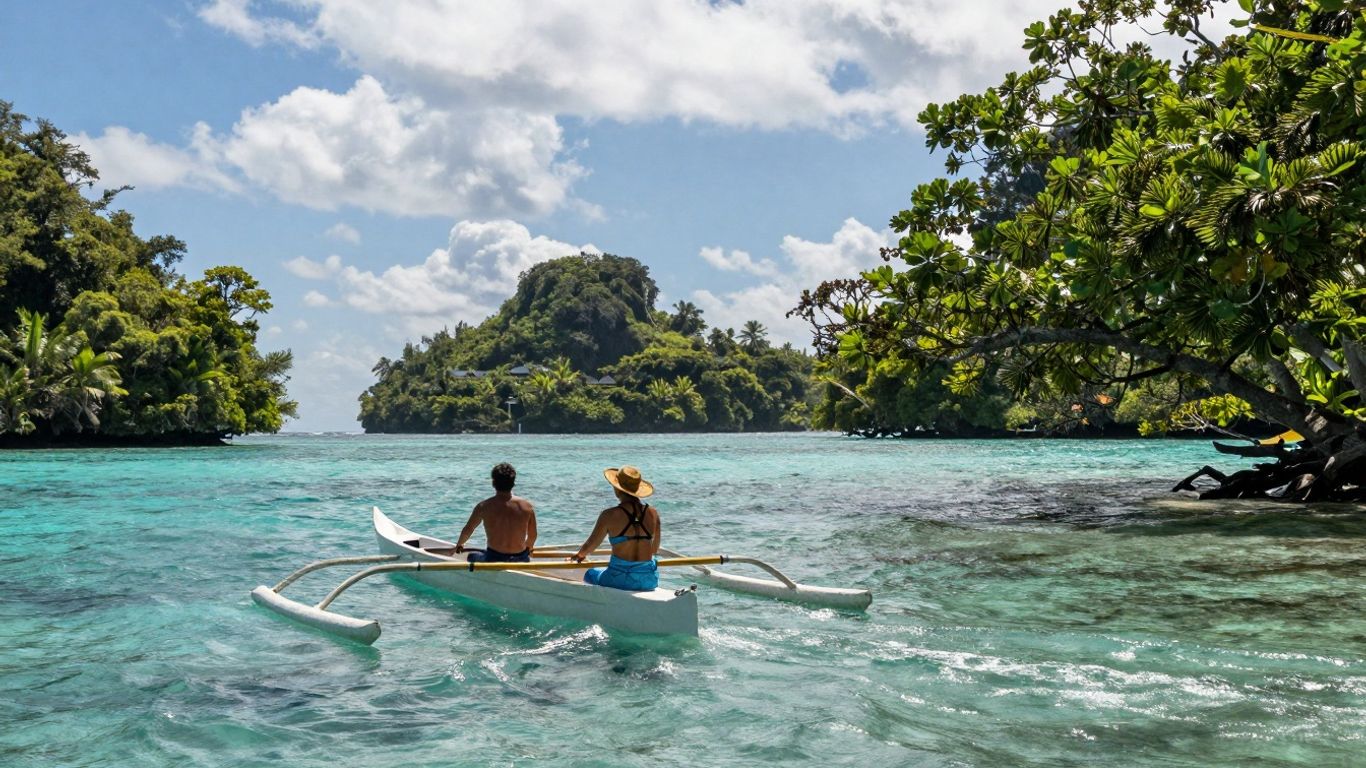
Just a short boat ride from the mainland, the Mamanuca Islands are a popular choice for good reason. This cluster of about 20 islands offers a fantastic introduction to Fiji’s underwater world, especially if you’re looking for calm, clear waters and accessible reefs. Many resorts here have their own house reefs, making it super easy to just grab a mask and snorkel right from the beach.
The Mamanucas are particularly well-suited for families and beginner snorkelers. You’ll find plenty of shallow spots teeming with colorful fish, and it’s not uncommon to see sea turtles or even reef sharks gliding by.
Here are a few highlights you might encounter:
Vibrant Coral Gardens: Expect to see a good variety of hard and soft corals, providing a colorful backdrop for the fish.
Diverse Marine Life: Keep an eye out for clownfish darting amongst anemones, schools of butterflyfish, and maybe even a graceful ray.
Easy Access: Many islands offer shore-based snorkeling, meaning you can step off the sand and be in the water within minutes.
Getting to the Mamanucas is straightforward, with frequent day trips and ferry services departing from Denarau Marina. This makes it a convenient option for a quick snorkeling adventure or a longer stay. You can find a range of accommodations, from luxury resorts to more laid-back options, spread across the islands.
The sheer number of islands means you can often find a quiet spot to yourself, even in a popular area. It’s this blend of accessibility and natural beauty that makes the Mamanucas a go-to for many visitors seeking a taste of Fiji’s famous marine life. Planning a picnic on one of these islands is a great way to spend the day, combining relaxation with exploration Castaway Island.
Whether you’re staying on an island like Malolo or taking a day trip, the Mamanucas provide a delightful and easygoing snorkeling experience.
6. Yasawa Chain
The Yasawa Chain is a string of about 20 volcanic islands that lie to the west of Fiji’s main island, Viti Levu. It’s a bit more of a journey to get here, often involving a ferry ride from Denarau Marina, but many find the trip totally worth it for the underwater sights. You’ll find that most of the islands and resorts here have their own house reefs right offshore, which are pretty convenient for a quick snorkel. These house reefs often teem with colorful fish and healthy corals, making them great for beginners or those who just want to hop in the water easily.
For those looking for something a bit more special, taking a boat tour to spots just a little further out can reveal even more pristine reefs. The waters here are known for being rich with marine life. You might even spot some species that are unique to this part of Fiji.
Here are a few islands within the Yasawa Chain that are particularly good for snorkeling:
Waya Island: Known for its dramatic landscapes above the water and vibrant reefs below.
Naviti Island: Offers access to some fantastic snorkeling areas, including spots where you might see larger marine animals.
Nacula Island: Famous for its beautiful beaches and clear waters, with good reef systems accessible from shore or by short boat trips.
One of the most talked-about experiences in the Yasawas is the Manta Ray Passage, a channel between Naviti and Drawaqa islands. If you’re visiting during the right season (typically May to October), this is a prime location to witness manta rays gliding through the water. It’s quite a sight!
The Yasawa Chain offers a more remote feel compared to some other Fijian island groups. This remoteness often means less crowded snorkeling spots and a chance to see reefs in a more natural state. While some currents can be present, making it exciting for more experienced snorkelers, there are plenty of sheltered areas suitable for everyone.
Beyond the house reefs and manta ray encounters, keep an eye out for reef sharks, sea turtles, and a dazzling array of tropical fish. The variety of underwater habitats means there’s always something new to discover.
7. Taveuni Island
Taveuni, often called the Garden Island, is a real gem for anyone looking to explore Fiji’s underwater world without needing to be a seasoned diver. It’s known for its lush landscapes, but don’t let the greenery fool you; the waters surrounding it are just as vibrant. You can find some fantastic spots right off the shore, making it super accessible. The island’s volcanic origins have created a unique underwater topography that supports a dazzling array of marine life.
One of the big draws here is the Waitabu Marine Park. It’s a protected area managed by the local community, and they do a great job of keeping it healthy and full of life. You can expect to see all sorts of colorful fish darting through healthy coral formations. It’s a place where you can really appreciate the natural beauty of the reef.
Here are a few things that make Taveuni special for snorkelers:
Shore-accessible reefs: Unlike some other prime snorkeling locations that require boat trips, Taveuni offers several spots where you can simply walk into the water and start exploring.
Vibrant coral gardens: The island is blessed with healthy coral reefs that are home to a wide variety of fish species.
Community-managed marine areas: Places like Waitabu Marine Park showcase successful conservation efforts, allowing visitors to see the benefits of protecting marine environments.
Getting to Taveuni usually involves a domestic flight from Nadi to Matei airport on the island. Once you’re there, accommodations range from cozy eco-lodges to more established hotels, so there are options for different preferences and budgets. It’s a place that feels a bit more off the beaten path, which adds to its charm. If you’re looking for a destination that combines natural beauty above and below the water, Taveuni is definitely worth considering for your next snorkeling adventure. You can find more details on shore-snorkeling opportunities to help plan your visit.
8. Kadavu
Nestled in the southern part of Fiji, Kadavu is a large, jungle-covered island that often flies under the radar compared to some of the more popular spots. But for those seeking a more untouched experience, Kadavu is a real gem. It’s known for its rugged beauty and marine environments that feel wonderfully preserved.
Getting to Kadavu usually involves a short domestic flight from Nadi or Suva, which is a much quicker option than the ferry, though the waters can get a bit rough. Accommodation here tends to be more low-key, with eco-resorts and guesthouses offering a relaxed vibe and a chance to connect with the local community. It’s a place where you can really get away from it all.
The Great Astrolabe Reef, which wraps around Kadavu, is the fourth-largest barrier reef globally and offers some incredible snorkeling opportunities. This massive reef system is dotted with passages that create unique underwater landscapes. While it’s a big draw for divers, snorkelers can find plenty to explore in the shallower areas and around the reef’s edges.
Here’s what makes Kadavu special for snorkelers:
Untouched Marine Life: Because it’s less visited, the coral and fish populations here are often more vibrant and diverse.
Shore-Accessible Spots: Some areas allow you to snorkel right off the beach, making it easy to explore without needing a boat.
Boat Excursions: For those wanting to venture further, boat trips can take you to more remote sections of the Great Astrolabe Reef and other nearby bommies.
Kadavu offers a chance to experience Fiji’s underwater world in a way that feels more authentic and less crowded. It’s a destination for travelers who appreciate natural beauty and are happy to go a little off the beaten path to find it.
9. Lomaiviti Islands
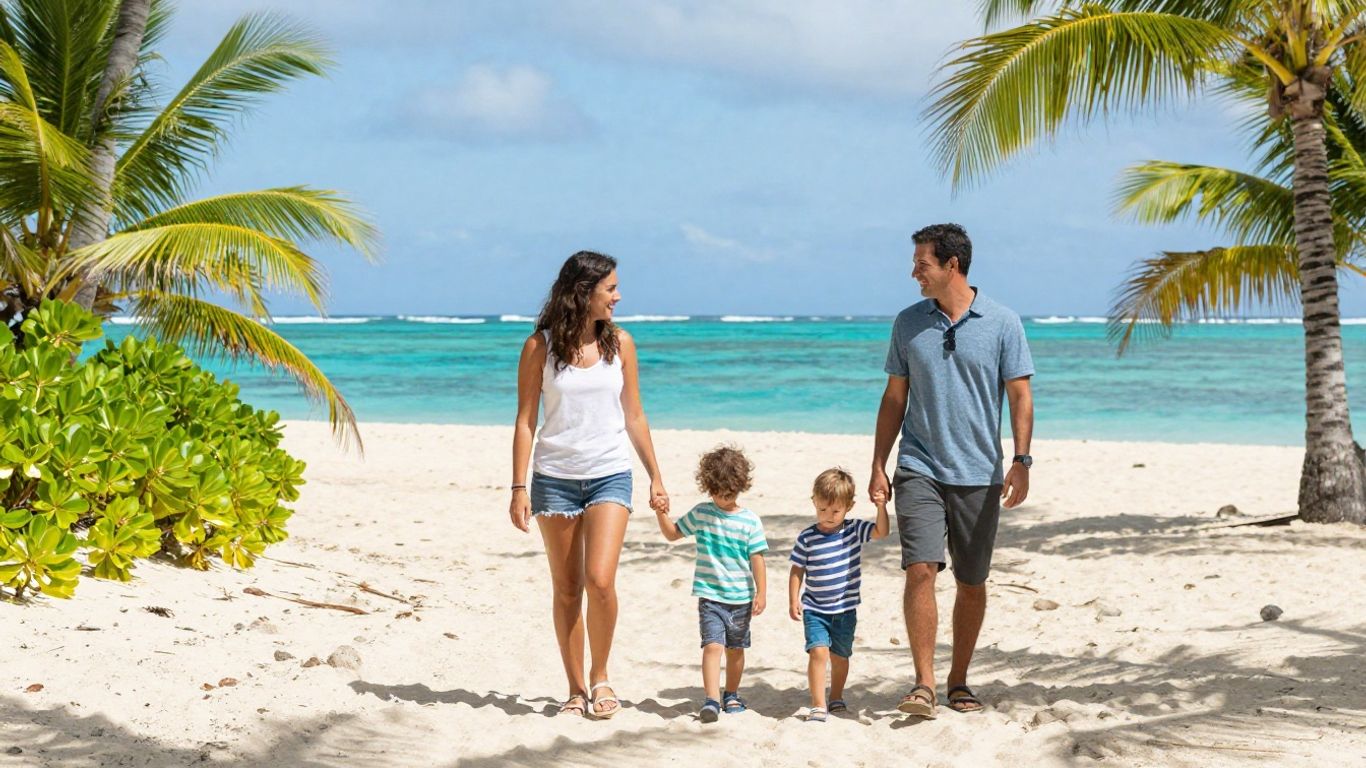
The Lomaiviti Islands, a beautiful archipelago east of Viti Levu, offer a quieter, more authentic Fijian experience for snorkelers. This chain of islands, including places like Wakaya, Levuia, Toberua, and Gau, is known for its healthy coral gardens and diverse marine life. You won’t find the same level of tourist hustle here, which makes it a great spot if you’re looking to connect with nature and enjoy the underwater world at a more relaxed pace.
What makes the Lomaiviti Islands stand out for snorkeling?
Marine Reserves: Several islands boast protected marine areas, meaning the coral and fish populations are thriving. This translates to incredibly vibrant underwater scenes.
Variety of Reefs: From shallow, aquarium-like conditions right off the beach on Levuia to more expansive reefs accessible by boat, there’s something for different skill levels.
Unique Encounters: Keep an eye out for spinner dolphins, especially around Moon Reef. These playful creatures often put on a show for visitors.
The clear, calm waters around these islands are perfect for spotting everything from tiny, colorful reef fish to larger pelagics. It’s a fantastic place to explore without the crowds, offering a genuine glimpse into Fiji’s underwater treasures. If you’re seeking a less-traveled path to some of Fiji’s best snorkeling, the Lomaiviti Islands should definitely be on your list. It’s a bit more effort to get to compared to some of the more developed island groups, but the reward is well worth it for those who appreciate pristine natural beauty. You can find tours and accommodations that cater to snorkelers, making it accessible even for those who aren’t staying on a private island resort. It’s a good idea to check with local operators about the best spots depending on the season and current conditions, as these can affect visibility and marine life activity. For a different kind of tropical paradise, consider French Polynesia for its dramatic peaks, but for reef lovers, Fiji’s Lomaiviti Islands are hard to beat.
10. Great Sea Reef
The Great Sea Reef, known locally as Cakaulevu, is a true giant in the Fijian archipelago. It stands as the third longest continuous barrier reef system on the planet, a massive underwater structure stretching for miles off the northern coast of Vanua Levu. This isn’t just a reef; it’s a vibrant ecosystem, a bustling metropolis of marine life.
Exploring the Great Sea Reef offers a chance to witness an incredible diversity of sea creatures. Keep an eye out for the impressive giant wrasse, the sleek reef sharks patrolling their territory, and the dazzling array of multi-colored parrotfish. The sheer scale of this reef means there are countless nooks and crannies to explore, each potentially revealing something new and exciting.
This vast reef system is a testament to the health and richness of Fiji’s marine environment.
Here’s what makes snorkeling here so special:
Immense Biodiversity: Home to a wide variety of fish and coral species, offering a dynamic visual experience.
Vast Expanse: Its length provides numerous access points and a feeling of unspoiled wilderness.
Marine Life Encounters: Frequent sightings of larger marine animals add an element of thrill.
The nutrient-rich waters flowing through this extensive reef create a thriving habitat. It’s a place where you can truly feel immersed in the natural world, observing the intricate balance of life beneath the waves. For those looking for an authentic, less-trafficked snorkeling adventure, the Great Sea Reef is a remarkable destination.
Getting to the best spots often involves a boat trip from towns like Savusavu, which itself is a gateway to some of Fiji’s most pristine underwater landscapes. While it might require a bit more planning than some of the more accessible reefs, the reward is an experience that feels truly wild and untouched. If you’re interested in exploring Fiji’s underwater wonders from the shore, Viti Levu offers great options too, but for sheer scale and natural grandeur, the Great Sea Reef is hard to beat.
Your Fijian Snorkeling Adventure Awaits
So, there you have it – a glimpse into the incredible underwater world Fiji has to offer. From the famous Rainbow Reef to the more secluded spots around Kadavu, these islands are truly a paradise for anyone who loves exploring beneath the waves. Whether you’re a seasoned snorkeler or just dipping your toes in for the first time, Fiji has something special for you. The warm waters and vibrant coral gardens are waiting. It’s time to pack your bags and discover the magic for yourself. You won’t regret it.
When is the best time to go snorkeling in Fiji?
Fiji is a fantastic place to snorkel pretty much all year round! The water stays warm, usually around 79°F (26-28°C), so you can jump in anytime. However, the drier months from June to August often have the clearest water, making it even better for spotting colorful fish and corals. Mornings are usually calmer with less wind, which is also a plus for a relaxed snorkel.
Do I need to bring my own snorkeling gear?
Most resorts and tour operators in Fiji will lend you snorkeling gear, like masks and snorkels. But, if you plan on snorkeling a lot or have a specific fit you like, it’s a good idea to bring your own. This way, you know it’ll be comfortable and fit just right for your underwater adventures. Don’t forget a rash guard for sun protection too!
What kind of coral can I expect to see in Fiji?
Fiji is famous for its incredibly colorful soft corals, earning it the nickname Soft Coral Capital of the World.’ You’ll see a huge variety, from delicate, flowing sea fans to vibrant, branching corals. Alongside these, there are also plenty of hard corals, creating amazing underwater landscapes for all sorts of sea life.
Are there dangerous animals I should worry about while snorkeling?
While Fiji’s waters are teeming with life, most of the creatures you’ll see are harmless and more interested in their own world. You might see reef sharks, but they are generally shy and avoid people. The biggest thing to be mindful of is the sun – always use reef-safe sunscreen and wear protective clothing to avoid sunburn.
Which Fiji islands are best for beginner snorkelers?
Islands like the Mamanuca and Yasawa chains are wonderful for beginners. They often have calm, clear waters and reefs that are easily accessible right from the beach or a short boat ride away. Places like the Blue Lagoon on Nanuya Lailai Island are perfect for families with younger children because the water is shallow and peaceful.
Can I snorkel with manta rays or sharks in Fiji?
Yes, you definitely can! Kadavu Island is famous for the Great Astrolabe Reef, where you might swim with majestic manta rays, especially between May and October. Beqa Lagoon is known for its shark diving and snorkeling opportunities, where you can see various species like bull and tiger sharks if you join a guided tour.
How much of Fiji’s coral reefs are protected?
Fiji has made significant efforts to protect its stunning marine ecosystems. Many areas are designated as marine reserves or conservation parks, like the Vatu-i-Ra Passage, to ensure the coral reefs and the diverse sea life they support can thrive for years to come. Local communities also play a big role in protecting these underwater treasures.
What’s the water temperature like in Fiji?
The water in Fiji is wonderfully warm throughout the year, usually staying between 77°F and 82°F (25°C to 28°C). This means you can comfortably spend hours exploring the underwater world without feeling chilly, making it perfect for extended snorkeling sessions.
Use this guide for trip ideas, not a current quotation or a guarantee of access, safety, inclusions or availability. Confirm the requirements and conditions for your dates, destination and provider before booking.